
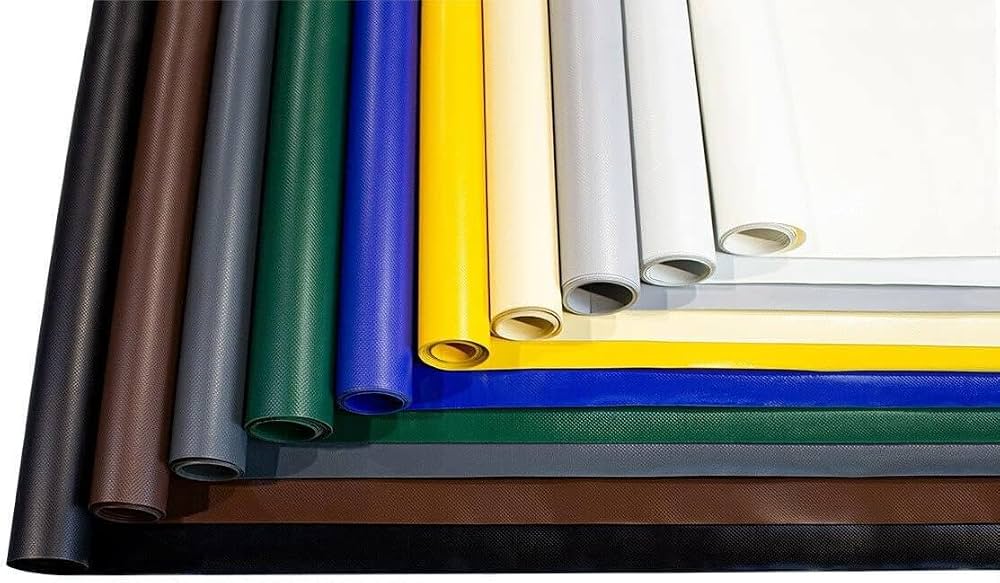

PVC tarpaulin is a widely used industrial material known for its waterproof properties, flexibility, and durability. It plays an important role in transportation, construction, agriculture, warehousing, and outdoor protection. Its ability to withstand different environmental conditions makes it a practical solution for businesses that require reliable covering materials.
However, producing high-quality PVC tarpaulin involves several carefully controlled manufacturing stages. From selecting raw materials to applying protective coatings and conducting final inspections, every step influences the strength and performance of the finished fabric. Understanding how PVC tarpaulins are manufactured also helps buyers evaluate product quality and identify reliable suppliers. Experienced PVC Tarpaulin Manufacturers use specialized production techniques to maintain consistent material properties and meet different industrial requirements.
1. Understanding the Raw Materials Used in PVC Tarpaulin
The manufacturing process begins with selecting suitable raw materials. The quality and compatibility of these materials directly affect the final product’s strength, flexibility, and resistance to environmental exposure.
The primary materials include:
- Polyester yarn: Provides the reinforcement needed for tensile strength and tear resistance.
- PVC resin: Forms the main protective coating and contributes to waterproofing.
- Plasticizers: Improve flexibility and help the material remain workable.
- Stabilizers: Help protect the PVC formulation against heat and environmental degradation.
- Pigments: Provide the desired color and appearance.
- UV-resistant additives: Help reduce deterioration caused by prolonged sunlight exposure.
- Other functional additives: May be included to improve flame retardancy, surface properties, or specific chemical resistance.
The exact formulation depends on the intended application and required performance specifications.
2. Manufacturing the Polyester Base Fabric
Once the raw materials are prepared, manufacturers develop the textile base that supports the PVC coating.
Polyester yarns are woven together using industrial textile machinery to create a strong and stable fabric structure.
The weaving process determines several important characteristics, including:
- Fabric density and construction.
- Tensile strength.
- Tear resistance.
- Dimensional stability.
- Flexibility and overall weight.
A properly manufactured polyester base provides the structural foundation for the finished tarpaulin. Consistent weaving is important because irregularities can affect coating uniformity and overall product performance.
3. Preparing the PVC Coating Formulation
The next stage involves preparing the PVC coating material. PVC resin is combined with plasticizers, stabilizers, pigments, and other additives according to the desired product specifications.
These ingredients are mixed using specialized equipment to create a consistent formulation.
Manufacturers carefully control the proportions of each component because the formulation influences important properties such as:
- Flexibility and softness.
- Waterproof performance.
- Surface durability.
- Resistance to sunlight.
- Temperature performance.
- Color consistency.
Different formulations are developed for applications such as truck covers, industrial curtains, outdoor shelters, and agricultural protection.
4. Applying the PVC Coating
PVC coating is one of the most important stages in the entire manufacturing process. It provides the protective surface that helps prevent water penetration and improves resistance to environmental exposure.
Depending on the production method, manufacturers may use coating techniques such as knife coating or other specialized industrial processes.
During application, the PVC formulation is distributed across the polyester fabric under controlled conditions.
The coating process requires careful monitoring to achieve:
- Uniform coating thickness.
- Proper adhesion to the base fabric.
- Smooth and consistent surface quality.
- Minimal coating defects.
- Reliable waterproofing performance.
An uneven coating can create weak areas that may affect the service life of the finished material.
5. Heat Treatment and Curing
After the coating has been applied, the fabric passes through controlled heating equipment.
This stage helps process the PVC formulation and develop the required coating properties. Depending on the production technology, heating may also support the bonding and stabilization of the coating layer.
Temperature, processing speed, and heating duration must be carefully controlled.
Improper heat treatment can lead to defects such as poor coating adhesion, inconsistent surface quality, or reduced flexibility.
Proper processing helps produce a stable material with the mechanical and protective properties required for its intended application.
6. Lamination and Surface Finishing
Some PVC tarpaulins are produced using lamination techniques rather than conventional coating methods.
In this process, PVC films are bonded to a reinforcing polyester fabric under controlled temperature and pressure conditions.
Lamination can provide a smooth surface and specific finishing characteristics depending on the film and bonding materials used.
Additional finishing treatments may also be applied to improve the product’s appearance and performance.
Common finishing options include:
- Glossy or matte surfaces.
- Anti-UV treatments.
- Flame-retardant properties.
- Anti-mildew treatments.
- Customized colors and printed designs.
Not every product requires all these treatments. The finishing process is selected according to the final application.
7. Cooling and Fabric Stabilization
Following coating or lamination, the material is cooled under controlled conditions.
This allows the processed fabric to stabilize before further handling. Proper cooling helps reduce the possibility of deformation and supports dimensional consistency.
Manufacturers also inspect the material during this stage to identify visible surface irregularities, coating problems, or other production defects.
Maintaining stable fabric dimensions is particularly important when producing large rolls for industrial customers.
8. Quality Testing and Inspection
Quality control is essential for ensuring that finished PVC tarpaulins meet the required performance standards.
Manufacturers conduct different tests to assess the physical and protective characteristics of the material.
Waterproof Testing
Waterproof testing evaluates whether the PVC coating prevents water from penetrating the fabric under specified test conditions.
This is especially important for tarpaulins used in transportation, outdoor storage, and temporary shelters.
Tensile Strength Testing
Tensile testing measures the force required to stretch or break the material.
It helps determine whether the fabric can withstand the pulling forces associated with installation and everyday use.
Tear Resistance Testing
Tear resistance assessments evaluate how effectively the material withstands tearing when exposed to mechanical stress.
This characteristic is particularly important for heavy-duty industrial applications.
Coating Adhesion Testing
Adhesion testing measures how strongly the PVC coating remains attached to the polyester base fabric.
Good adhesion helps prevent separation during handling and use.
UV and Weather Resistance Testing
Specialized testing can evaluate how the material responds to ultraviolet exposure, temperature changes, and other environmental conditions.
These assessments help determine whether a particular product is suitable for prolonged outdoor applications.
9. Cutting, Welding, and Customization
Once the material passes quality inspections, it can be prepared for specific customer requirements.
Large PVC tarpaulin rolls are cut into required dimensions using industrial cutting equipment.
For products that require multiple fabric sections, manufacturers use welding methods to create strong joints.
Common joining techniques include:
- High-frequency welding.
- Hot-air welding.
- Hot-wedge welding.
These methods help create durable connections while maintaining the waterproof properties of the material.
Additional customization may include reinforced edges, eyelets, straps, hems, and printed branding, depending on the intended use.
10. Final Inspection, Packaging, and Storage
The final manufacturing stage involves inspecting the finished products before packaging and shipment.
Manufacturers check dimensions, surface appearance, finishing quality, seams, and other relevant specifications.
After approval, the tarpaulins are folded or rolled and packaged to protect them during transportation and storage.
Proper packaging helps prevent unnecessary damage, contamination, and deformation before the products reach their destination.
Major Applications of Finished PVC Tarpaulin
The manufacturing process produces materials suitable for a wide variety of industrial and commercial applications.
Transportation and Logistics
PVC tarpaulins are commonly used for truck covers, trailer curtains, and cargo protection. Their waterproof surfaces help protect transported goods from rain, dust, and sunlight.
Construction
Construction companies use PVC tarpaulins for scaffolding covers, temporary partitions, equipment protection, and weather-resistant enclosures.
Agriculture
Agricultural applications include crop coverings, machinery protection, temporary storage, and selected water-related uses.
Industrial Storage
Warehouses and factories use PVC-coated fabrics to protect raw materials, machinery, and finished goods from environmental exposure.
Events and Outdoor Structures
PVC tarpaulins are also used in temporary tents, exhibition shelters, canopies, and other outdoor structures.
Factors That Influence PVC Tarpaulin Quality
Although manufacturing technology is important, several additional factors determine the quality of the finished product.
Raw Material Selection: High-quality polyester yarn and properly formulated PVC compounds provide a stronger foundation.
Fabric Construction: Weaving density and yarn quality influence tensile strength and tear resistance.
Coating Uniformity: Consistent coating thickness supports reliable waterproofing and surface performance.
Production Control: Proper temperature, pressure, and processing speed help reduce manufacturing defects.
Testing Standards: Regular inspections and standardized testing provide greater confidence in product consistency.
Application Requirements: Different environments require different combinations of thickness, flexibility, strength, and protective treatments.
Conclusion
PVC tarpaulin manufacturing is a multi-stage process that combines textile production, chemical formulation, coating technology, heat treatment, finishing, and quality inspection. Each stage contributes to the performance and durability of the finished material.
From selecting polyester yarn and preparing PVC compounds to applying coatings and conducting final tests, careful production control is essential for achieving consistent results.
Understanding this manufacturing process helps buyers make better purchasing decisions and select tarpaulins suited to their specific requirements. Whether used in transportation, agriculture, construction, or industrial storage, properly manufactured PVC tarpaulins offer a versatile and dependable material solution.