
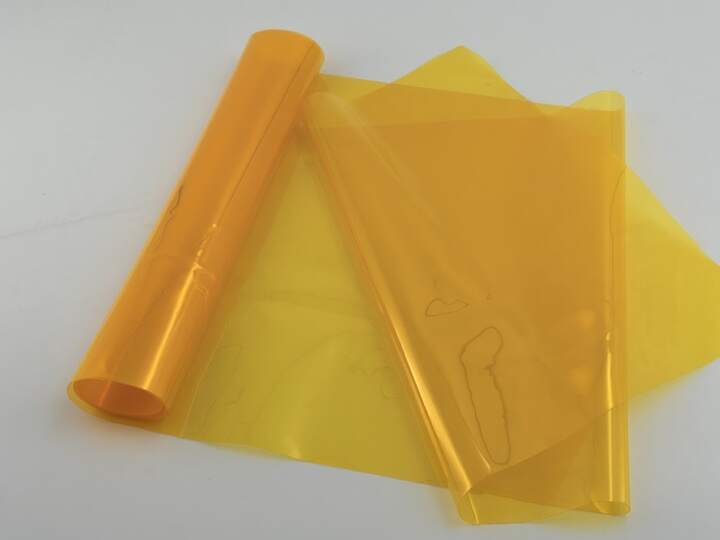

Choosing the right packaging material is essential for protecting products, maintaining their appearance, and ensuring safe transportation. Different products require different levels of protection, flexibility, and transparency, making material selection an important part of the packaging process. Clear PVC film is a popular option because it combines visibility with practical protective properties.
However, not every type of PVC film is suitable for every packaging application. Factors such as thickness, flexibility, transparency, durability, and processing compatibility can influence the final decision. Understanding these characteristics helps businesses select a material that meets their packaging needs without compromising product quality or operational efficiency.
Understanding Clear PVC Film and Its Packaging Uses
Clear PVC film is a transparent plastic material made from polyvinyl chloride. It is available in different thicknesses, finishes, and formulations, allowing manufacturers to use it for various packaging purposes.
Its transparent surface makes products visible while providing a physical covering against dust, moisture, and routine handling. Depending on its formulation, it can also offer flexibility for packaging products with different shapes and dimensions.
Businesses exploring packaging materials can consider Transparent PVC Film when they need a combination of product visibility, adaptable processing, and protective performance.
Important Factors to Consider When Choosing Clear PVC Film
Selecting the best material requires evaluating several technical characteristics. Each factor contributes to how effectively the film performs in a particular packaging environment.
1. Choose the Appropriate Film Thickness
Thickness is one of the most important considerations when selecting clear PVC film. It affects the material’s flexibility, strength, weight, and resistance to physical damage.
Thinner films are generally suitable for lightweight packaging applications where flexibility and material efficiency are important. Thicker films may be more appropriate for packaging components that require additional stiffness or protection.
Before making a selection, consider the product’s weight, shape, handling conditions, and expected storage period.
2. Evaluate Transparency and Optical Clarity
For retail packaging, product visibility can directly influence customer experience. Transparent packaging allows customers to inspect products without opening the package.
When choosing PVC film, consider whether the application requires high optical clarity, a smooth surface, or a particular finish.
This is especially important for packaging decorative items, stationery, accessories, and consumer products where visual presentation matters.
3. Consider Flexibility and Softness
Different products require different levels of packaging flexibility. Some need soft materials that can easily wrap around irregular shapes, while others require semi-rigid films that maintain their structure.
Flexible PVC film can be useful for wrapping and protective packaging, while more rigid grades may be appropriate for structured packaging components.
Selecting the correct formulation helps prevent unnecessary creasing, deformation, or handling difficulties.
4. Check Moisture and Environmental Resistance
Packaging materials often encounter humidity, water splashes, temperature changes, and other environmental conditions during storage and transportation.
PVC generally provides useful moisture resistance, making it suitable for applications where protection from ordinary exposure to water is needed.
However, businesses should evaluate the actual environmental conditions and confirm that the selected film provides the required level of protection.
5. Assess Durability and Mechanical Strength
A suitable packaging film should withstand normal handling throughout the supply chain. Its ability to resist tearing, scratching, and everyday wear can affect how well products remain protected.
Film thickness, formulation, and manufacturing quality all influence mechanical performance.
For products that require additional protection, businesses should request technical specifications and evaluate the material under realistic handling conditions.
Match the PVC Film to Your Product Type
The best packaging material depends heavily on the characteristics of the product being packaged.
Packaging for Small Consumer Products
Stationery, toys, accessories, and small household items often benefit from transparent packaging because customers can see the product before purchasing it.
For these applications, businesses should prioritize clarity, suitable thickness, and compatibility with the packaging design.
Packaging for Industrial Components
Industrial components may require packaging that protects surfaces from dust, scratches, and routine handling damage.
Thicker or specially formulated PVC films may be appropriate depending on the component’s weight, dimensions, and storage conditions.
Packaging for Decorative and Gift Items
Decorative products and gift items often require packaging that enhances their appearance without hiding important visual details.
Clear PVC film can be useful for selected gift packaging, transparent sleeves, and display covers where presentation is a priority.
Packaging for Food-Related Products
Food packaging requires additional attention to safety and regulatory compliance. Only PVC films specifically approved for the intended food-contact application should be considered.
Businesses must verify relevant certifications, migration limits, and applicable food safety regulations before using any plastic film in direct contact with food.
Consider Compatibility with Packaging Equipment
Material compatibility is another important factor, particularly for businesses operating automated or semi-automated packaging lines.
The selected PVC film should work with the equipment and manufacturing processes used in production.
Important considerations include:
- Heat-sealing compatibility
- Cutting and trimming performance
- Folding and forming characteristics
- Printing compatibility
- Roll dimensions and thickness consistency
Testing the film before large-scale production can help identify potential processing issues and maintain consistent packaging quality.
Understand the Difference Between PVC and Other Packaging Films
Clear PVC film is one of several transparent plastic materials available for packaging. Comparing alternatives can help businesses identify the most suitable option.
| Material | Main Characteristics | Common Applications |
|---|---|---|
| PVC | Flexible, transparent, and available in different formulations | Retail packaging, protective covers, display packaging |
| PET | Strong, clear, and dimensionally stable | Product trays, rigid packaging, protective components |
| PP | Lightweight with useful stiffness | Food packaging, stationery, consumer goods |
| PE | Flexible and moisture-resistant | Wrapping, protective packaging, shipping covers |
Each material offers different advantages. The final choice should depend on the product’s protection requirements, packaging machinery, cost considerations, and applicable safety standards.
Evaluate Quality and Manufacturing Consistency
Even when two PVC films have similar specifications, their actual performance may differ because of manufacturing processes and material formulations.
Businesses should evaluate suppliers based on product consistency and technical documentation rather than relying only on appearance or price.
Consider checking the following:
- Thickness consistency: Uniform thickness helps maintain predictable packaging performance.
- Surface quality: The film should be free from unwanted scratches, defects, and excessive imperfections.
- Transparency: Clarity should remain consistent across the supplied material.
- Mechanical properties: Strength and flexibility should match the intended application.
- Technical documentation: Specifications should clearly describe material properties and recommended uses.
Requesting samples before placing a large order can also help businesses evaluate suitability under actual production conditions.
Balance Packaging Performance and Cost
Price is an important consideration, but choosing the cheapest film does not always produce the best overall value.
A material that is too thin may result in packaging damage, while an unnecessarily thick film can increase material consumption and production expenses.
Businesses should compare the total cost of packaging, including material usage, processing efficiency, product protection, and potential waste.
Selecting the correct specifications can help achieve a practical balance between performance and budget.
Storage and Handling Tips for Clear PVC Film
Proper storage helps maintain film quality before it enters the packaging process.
Some useful practices include:
- Store film rolls in a clean, dry environment.
- Keep the material away from excessive heat and prolonged direct sunlight.
- Avoid placing heavy objects on top of film rolls.
- Handle the material carefully to prevent scratches and surface damage.
- Follow the manufacturer’s recommendations for storage temperature and handling.
These precautions can help preserve transparency and reduce unnecessary material waste.
Environmental Considerations When Selecting PVC Packaging
Environmental responsibility is becoming an important part of packaging decisions. Businesses should consider how their chosen materials are manufactured, used, recycled, and disposed of.
PVC can be recycled through suitable collection and processing systems, although availability varies depending on local infrastructure and material composition.
Companies can support more responsible packaging practices by reducing unnecessary thickness, optimizing packaging dimensions, minimizing production waste, and investigating available recycling programs.
Comparing alternative materials based on their complete life cycle can also provide a clearer understanding of their environmental impact.
Conclusion
Choosing the best clear PVC film for packaging requires more than simply selecting a transparent plastic material. Businesses must consider thickness, optical clarity, flexibility, durability, environmental resistance, and compatibility with existing packaging equipment.
It is equally important to evaluate product requirements, manufacturing consistency, safety standards, and overall cost. By carefully comparing these factors and testing suitable samples, businesses can identify a PVC film that supports reliable packaging performance and effective product presentation.