
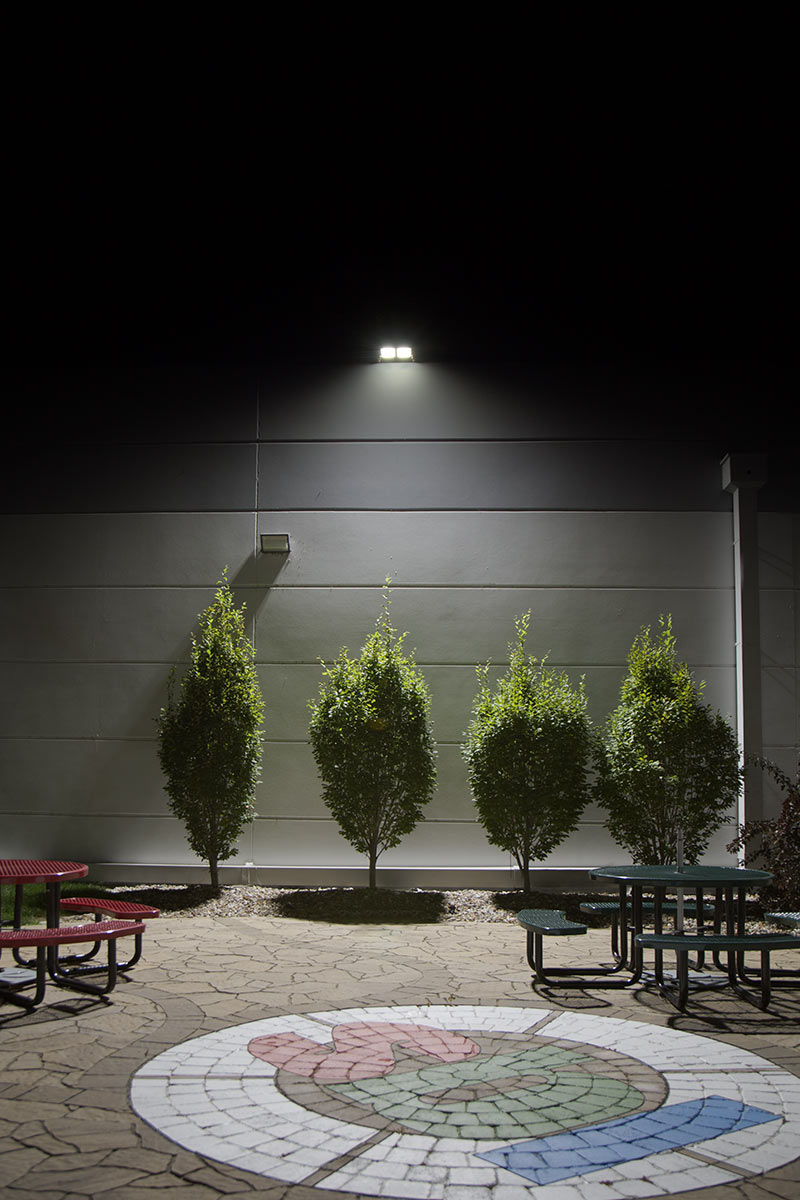

LED flood lights are widely used in industrial facilities, commercial buildings, sports stadiums, warehouses, parking areas, and outdoor infrastructure. As businesses increasingly prioritize energy efficiency and long-term operating savings, demand for dependable LED lighting products continues to grow. Choosing the right manufacturer is therefore an important decision for importers, wholesalers, contractors, and project developers.
China has become a major destination for LED lighting procurement due to its established manufacturing industry, extensive component supply networks, and broad product selection. However, finding a suitable manufacturing partner requires more than comparing quotations. Buyers need to understand product quality, technical specifications, pricing structures, and performance standards before making a purchasing decision. Working with an experienced China led flood light supplier can be one option to explore when researching manufacturers and available lighting solutions.
Understanding LED Flood Lights and Their Applications
LED flood lights are high-intensity lighting fixtures designed to illuminate large outdoor or indoor areas. Unlike conventional lighting technologies, LED solutions generally offer better energy efficiency, longer operating life, and lower maintenance requirements.
Their versatility makes them suitable for various applications, including:
- Industrial facilities: Providing consistent illumination in factories, warehouses, and production areas.
- Sports facilities: Supporting visibility across outdoor courts, stadiums, and recreational grounds.
- Commercial properties: Illuminating building exteriors, parking spaces, and loading areas.
- Public infrastructure: Improving visibility around roads, transportation facilities, and public spaces.
- Security applications: Providing outdoor illumination around entrances, boundaries, and restricted areas.
Understanding the intended application is the first step toward selecting a product with appropriate brightness, beam distribution, protection, and operating characteristics.
1. Evaluating Product Quality
Product quality is one of the most important considerations when purchasing LED flood lights. A well-designed fixture should provide stable illumination, reliable electrical performance, and sufficient protection against environmental conditions.
Several components contribute to overall product quality.
LED Chips
LED chips influence light output, efficiency, color consistency, and long-term performance. Buyers should ask manufacturers about the chip brands and specifications used in their products.
LED Drivers
The driver regulates electrical power supplied to the LED components. A reliable driver helps maintain stable operation and protects the fixture against certain electrical irregularities.
Housing and Heat Dissipation
Most outdoor LED flood lights use aluminum housings because aluminum supports effective heat transfer. Proper thermal management helps prevent excessive operating temperatures that can reduce component lifespan.
Protective Lenses and Enclosures
The lens and enclosure should provide suitable protection against dust, moisture, and environmental exposure. Their construction also influences light distribution and overall durability.
Requesting product samples and technical datasheets is a practical way to evaluate these features before placing a bulk order.
2. Understanding Important Technical Specifications
Technical specifications help buyers determine whether an LED flood light is suitable for a particular project. Comparing products based on measurable performance information is more reliable than relying on general marketing descriptions.
Important specifications include:
| Specification | What It Means |
|---|---|
| Wattage | The electrical power consumed by the fixture |
| Lumen output | The total visible light produced |
| Luminous efficacy | Light output relative to power consumption |
| Beam angle | The width of the light distribution |
| Color temperature | The visual appearance of the light |
| CRI | How accurately colors appear under the light |
| IP rating | Protection against dust and water |
| Power factor | How effectively electrical power is used |
For outdoor applications, IP65 or higher protection is commonly considered, depending on the installation environment.
Buyers should also consider surge protection, operating temperature, and mounting requirements when comparing different models.
3. Comparing LED Flood Light Prices in China
Pricing is a major factor in international lighting procurement. Chinese manufacturers offer products across different price ranges, allowing buyers to select solutions according to their budgets and technical requirements.
However, the price of an LED flood light depends on several variables rather than wattage alone.
Factors That Influence Pricing
Component quality: Premium LED chips and dependable drivers may increase manufacturing costs but can contribute to better performance and reliability.
Housing materials: The quality, thickness, and design of aluminum housings influence material costs and thermal performance.
Technical specifications: Higher lumen output, specialized optics, additional protection, and advanced control features can affect the final price.
Order quantity: Bulk purchasing may qualify for volume-based discounts depending on production requirements.
Customization: Special branding, packaging, colors, and mounting configurations may involve additional expenses.
Why the Cheapest Quotation Is Not Always the Best
A low initial purchase price does not necessarily mean lower overall costs. Products with inferior components may require more frequent replacements or maintenance.
Businesses should compare quotations using identical technical specifications and consider the expected operating costs throughout the product’s service life.
4. Assessing Energy Efficiency and Lighting Performance
Energy efficiency is a major reason businesses choose LED flood lights over conventional lighting technologies. Efficient fixtures can reduce electricity consumption while providing the illumination required for different applications.
Luminous efficacy, measured in lumens per watt, is an important performance indicator. However, it should not be considered in isolation.
Buyers should also evaluate beam distribution, glare control, color consistency, and actual illumination levels across the installation area.
For large projects, photometric data such as IES files can help lighting designers assess fixture performance and plan suitable layouts.
A properly selected flood light should provide sufficient illumination without creating unnecessary light pollution or excessive energy consumption.
5. Checking Certifications and Quality Standards
International buyers should verify that products meet the regulatory and safety requirements of their destination markets.
Depending on the product and market, relevant documentation may include:
- CE marking for applicable European market requirements.
- RoHS compliance concerning restricted hazardous substances.
- CB certification under the applicable international electrical safety scheme.
- IP testing reports confirming dust and water protection.
- LM-79 reports for applicable photometric and electrical performance testing.
- LM-80 reports for LED light-source lumen maintenance evaluation.
It is important to distinguish between manufacturer claims and independently verified documentation.
Ask suppliers for relevant certificates and test reports, and confirm that the documents correspond to the exact product models being purchased.
6. Evaluating Manufacturing Capacity and Production Reliability
A supplier’s manufacturing capacity directly affects its ability to fulfill large orders within agreed timelines.
Businesses purchasing LED flood lights for distribution or major construction projects should understand the manufacturer’s production capabilities before signing a purchase agreement.
Consider the following areas:
- Production equipment and assembly facilities.
- Monthly manufacturing capacity.
- Availability of essential components.
- Workforce and production management.
- Quality inspection procedures.
- Experience with international bulk orders.
It is also useful to ask about production lead times and how the company handles unexpected supply chain disruptions.
A manufacturer with suitable production resources can help businesses maintain inventory and avoid unnecessary project delays.
7. Customization and Product Development Options
Different markets and projects often require specific lighting configurations. Customization allows buyers to obtain products that match their installation requirements and commercial preferences.
Common customization options include wattage, beam angle, color temperature, housing color, mounting brackets, logos, and packaging.
Some manufacturers may also provide support for developing specialized lighting designs.
Before requesting customized production, clarify the minimum order quantity, sample development costs, production schedule, and approval process.
It is advisable to approve a physical sample before authorizing mass production. This helps ensure that the finished products match the agreed design and specifications.
8. Understanding Warranty and After-Sales Support
Warranty coverage is an important consideration when purchasing LED flood lights in large quantities. Outdoor lighting fixtures may operate for extended periods under changing environmental conditions, making dependable after-sales support valuable.
Before selecting a manufacturer, review its warranty policy carefully.
Important details include:
- Warranty duration.
- Components and defects covered.
- Exclusions and operating conditions.
- Procedures for reporting defective products.
- Replacement or repair arrangements.
- Availability of technical assistance.
A clear warranty agreement can reduce uncertainty and help buyers manage potential product issues after delivery.
9. Logistics, Shipping, and Import Considerations
International procurement involves several costs and procedures beyond the product purchase price. Shipping arrangements should therefore be considered when calculating the total sourcing budget.
Common shipping methods include sea freight, air freight, and express delivery. The most suitable option depends on order volume, urgency, destination, and transportation costs.
Buyers should also discuss packaging standards, shipment insurance, export documentation, customs requirements, and applicable Incoterms.
For large shipments, proper packaging is particularly important because LED flood lights may contain delicate electrical components and optical parts.
Clarifying these details before production helps prevent misunderstandings and unexpected expenses.
10. How to Select the Right China LED Flood Light Supplier
Choosing a suitable manufacturer requires evaluating several factors together rather than relying on one attractive feature.
Start by identifying your project’s technical requirements and expected order quantity. Then shortlist manufacturers with relevant production experience and suitable product categories.
Request quotations, technical datasheets, certification documents, and samples from potential suppliers.
Compare their responses based on:
- Product quality and component specifications.
- Manufacturing experience and production capacity.
- Pricing and payment conditions.
- Customization capabilities.
- Quality control and inspection procedures.
- Warranty coverage and customer support.
- Shipping arrangements and delivery reliability.
For larger purchases, consider conducting a factory audit or arranging an independent pre-shipment inspection.
A structured evaluation process can help reduce sourcing risks and identify manufacturers capable of supporting long-term business requirements.
Common Mistakes to Avoid When Buying LED Flood Lights
Even experienced importers can encounter problems when purchasing lighting products internationally. Avoiding common sourcing mistakes can improve procurement decisions.
Choosing products based only on wattage: Wattage measures power consumption, not actual brightness. Always compare lumen output and lighting distribution.
Ignoring component specifications: Different LED chips and drivers can produce significant differences in product performance.
Skipping sample testing: Approving a large order without examining samples increases the risk of receiving unsuitable products.
Overlooking certification requirements: Products should meet the relevant regulations of the destination market.
Failing to confirm warranty terms: Unclear after-sales arrangements can create difficulties if products develop faults.
Not documenting specifications: All agreed product details should be included in the purchase agreement to reduce the possibility of misunderstandings.
Conclusion
Sourcing LED flood lights from China can provide international businesses with access to competitive pricing, diverse product options, manufacturing capabilities, and customization opportunities. However, successful procurement depends on choosing products that deliver the right balance of quality, cost, and performance.
Buyers should carefully evaluate LED chips, drivers, thermal management, technical specifications, certifications, manufacturing capacity, and warranty conditions before committing to an order.
A reliable supplier should offer more than an attractive quotation. Consistent product quality, transparent communication, realistic delivery schedules, and dependable after-sales support are essential for long-term business success.
By following a structured sourcing process, importers, distributors, and project developers can make informed purchasing decisions and establish dependable supply relationships for their LED lighting requirements.