
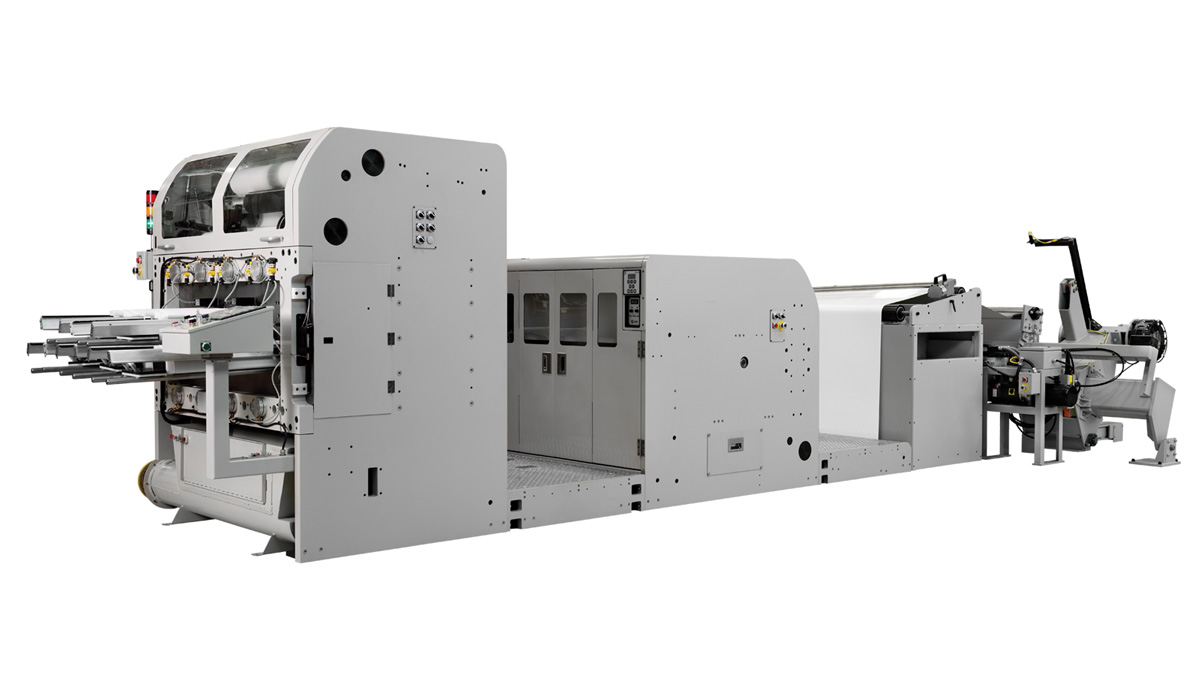

A high productivity die cutting machine is essential for modern manufacturing businesses that require speed, precision, and consistent output. These machines are designed to handle large production volumes while maintaining accuracy, making them ideal for industries such as packaging, printing, and labeling. By improving workflow efficiency and reducing manual effort, they help businesses meet growing demand without compromising on quality.
Why High Productivity Machines Are Transforming Manufacturing
In today’s competitive industrial landscape, efficiency is no longer optional—it is a necessity. Companies are constantly looking for ways to optimize their production lines and reduce operational costs. Investing in a reliable high productivity die cutting machine allows businesses to achieve faster turnaround times, better precision, and improved overall performance.
These machines are built with advanced automation features that streamline the entire cutting process. As a result, manufacturers can focus on scaling their operations while maintaining consistent product quality.
What Is a High Productivity Die Cutting Machine?
A high productivity die cutting machine is a specialized piece of equipment used to cut, shape, and crease materials such as paperboard, corrugated sheets, and plastic films. Unlike traditional machines, these are engineered for speed and efficiency, making them suitable for high-volume production environments.
They utilize precision-engineered dies to create accurate cuts, ensuring uniformity across thousands of units. This level of consistency is critical for industries where packaging quality directly impacts brand perception.
Key Benefits of High Productivity Die Cutting Machines
Increased Production Speed
One of the most significant advantages is the ability to process large volumes in a short time. This helps businesses meet tight deadlines and handle bulk orders efficiently.
Exceptional Precision
Modern die cutting machines are equipped with advanced control systems that ensure precise cuts and minimal errors. This reduces material waste and improves overall product quality.
Automation and Efficiency
Automation reduces the need for manual intervention, minimizing labor costs and human errors. It also ensures a smoother and more reliable production process.
Versatility in Applications
These machines can handle a wide range of materials and designs, making them suitable for various industries and packaging requirements.
Types of High Productivity Die Cutting Machines
Flatbed Die Cutting Machines
Flatbed machines are known for their precision and are ideal for detailed designs. They are commonly used for smaller production runs or specialized packaging.
Rotary Die Cutting Machines
Rotary machines are designed for continuous, high-speed production. They are best suited for large-scale manufacturing operations.
Automatic Die Cutting Machines
Fully automated machines integrate digital controls and advanced features, allowing for efficient and error-free production.
Features to Look for in a High Productivity Machine
Robust Construction
A durable machine ensures long-term reliability and can handle continuous operation without frequent breakdowns.
Advanced Control Systems
Modern machines come with digital interfaces that allow operators to adjust settings with precision, improving efficiency and reducing errors.
High-Speed Capability
Speed is a critical factor in high-volume production. Machines with faster processing capabilities can significantly increase output.
Safety Mechanisms
Safety features such as emergency stop buttons and protective covers are essential for ensuring operator safety.
Applications Across Industries
High productivity die cutting machines are widely used in various industries due to their efficiency and versatility.
Packaging Industry
These machines are essential for producing boxes, cartons, and other packaging materials with precision and consistency.
Printing Industry
Die cutting machines are used to create custom shapes and designs for printed materials, enhancing visual appeal.
Label Manufacturing
In the labeling industry, precision and speed are crucial. High productivity machines ensure accurate cuts for large volumes of labels.
Consumer Goods
Manufacturers of consumer products rely on die cutting machines for creating attractive and functional packaging.
How to Choose the Right Machine
Assess Your Production Needs
Understanding your production volume and requirements is the first step in selecting the right machine.
Evaluate Machine Features
Look for machines with advanced features that align with your operational goals.
Consider Manufacturer Reputation
Choose a manufacturer with a proven track record of delivering high-quality machines.
Check After-Sales Support
Reliable support services are essential for maintaining smooth operations and minimizing downtime.
Cost Considerations and ROI
Initial Investment
High productivity die cutting machines may require a significant upfront investment, but they offer long-term benefits.
Operational Efficiency
By improving production speed and reducing waste, these machines help lower operational costs.
Long-Term Value
Durable machines with advanced features provide consistent performance, ensuring a strong return on investment.
Future Trends in Die Cutting Technology
Automation and Smart Manufacturing
The integration of smart technologies is transforming the industry. Machines with real-time monitoring and automated controls are becoming increasingly popular.
Sustainable Production
Eco-friendly practices are gaining importance, with machines designed to reduce waste and support recyclable materials.
Enhanced Performance
Continuous advancements in technology are leading to machines that offer greater speed, accuracy, and efficiency.
Final Thoughts
High productivity die cutting machines are a vital component of modern manufacturing. They provide the speed, precision, and efficiency needed to meet the demands of today’s competitive market.
By investing in advanced equipment and choosing the right machine for your needs, businesses can improve productivity, reduce costs, and deliver high-quality products consistently. As industries continue to evolve, these machines will remain a key driver of innovation and growth, helping companies stay ahead in an increasingly demanding environment.