
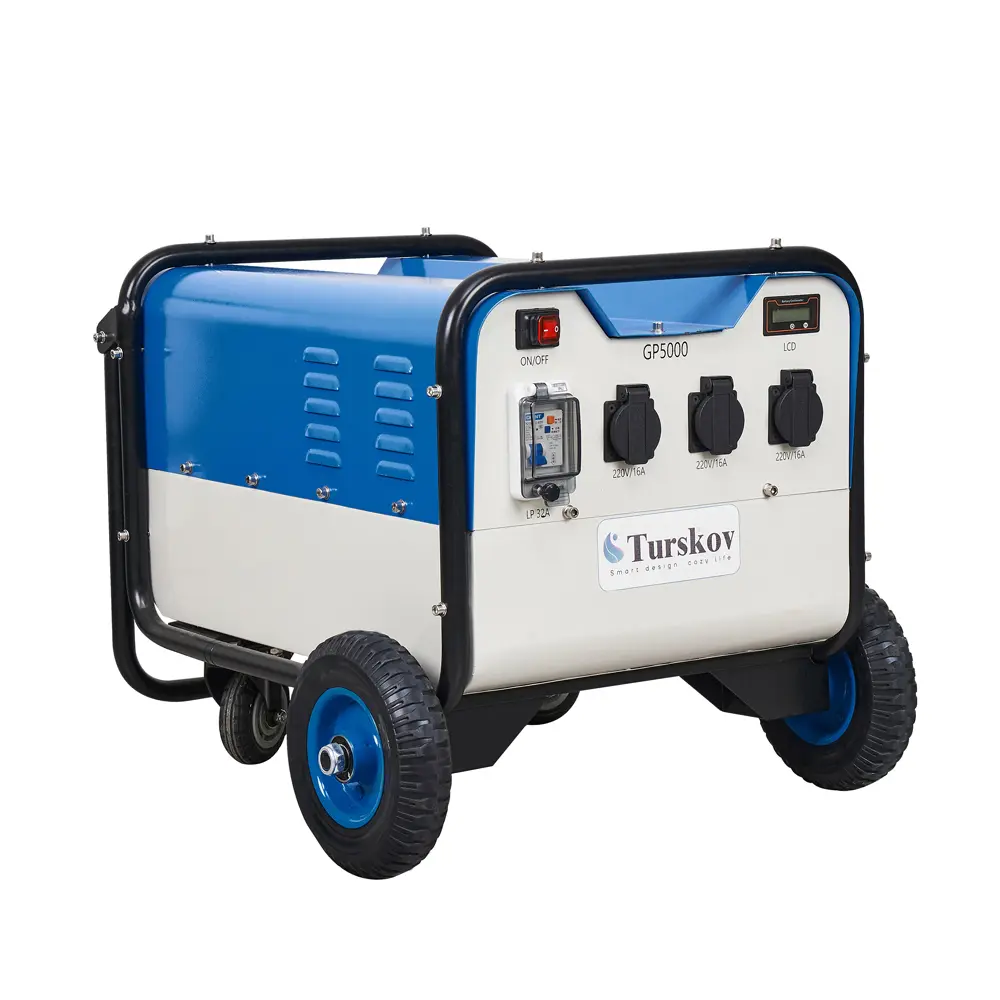

Power conversion equipment is often needed in locations where installation space is limited. Small offices, recreational vehicles, workshops, communication setups, and portable energy systems may require AC electricity without having room for a large inverter enclosure. Compact models address this requirement by bringing essential conversion functions into a smaller physical package.
A Compact Inverter converts direct current from a battery or another DC source into alternating current for compatible electrical devices. Its reduced size can make it easier to integrate into space-constrained applications, but physical dimensions should never be the only selection criterion. Output capacity, waveform, ventilation, protection, and compatibility with the DC source remain equally important.
Where Compact Inverters Are Commonly Used
Compact inverters can be found in vehicle power systems, small backup arrangements, portable battery setups, recreational equipment, and selected off-grid applications. They may be used to power laptops, chargers, lights, communication devices, and other appliances within their rated limits.
Some models are designed for installation close to a battery, while others are intended for portable use. The mounting arrangement and enclosure design influence where the inverter can safely operate.
A small form factor does not automatically make a product suitable for every vehicle or indoor location. Check the manufacturer’s intended application and environmental requirements.
1. Saving Space Without Ignoring Capacity
A compact inverter can be easier to position than a larger unit, particularly where equipment must fit into a cabinet, vehicle compartment, or small utility area.
However, reducing physical size does not remove the need for adequate electrical capacity. A unit with insufficient continuous output may shut down when several devices operate together.
List the appliances that may be connected at the same time and calculate their combined running demand. Add an allowance for starting surges from motors, compressors, and other equipment that briefly draws higher current.
2. Choosing the Correct DC Input Voltage
Inverters are designed for specific DC input voltages. Common battery configurations include 12V, 24V, and 48V systems, although other designs are available.
The inverter’s input voltage must match the battery system. Connecting equipment to an unsuitable voltage can cause malfunction or damage.
Current demand is also important. At a given power level, a lower-voltage system generally requires more DC current than a higher-voltage system. This affects cable sizing, fuse selection, terminal quality, and installation design.
3. Understanding the AC Output
The inverter’s AC output must match the requirements of the connected devices. Check the output voltage, frequency, waveform, and available socket type.
A pure sine wave output is generally suitable for a wider range of electronic and motor-driven equipment than some modified-wave alternatives. Nevertheless, the connected appliance’s instructions should determine the required waveform.
The continuous output rating indicates sustained capability, while a separate surge rating may apply for brief starting demands. Review both values before connecting appliances.
4. Efficiency and Heat Dissipation
An inverter loses some energy during conversion. The efficiency rating indicates how much of the DC input becomes usable AC output.
Efficiency varies with load, temperature, and the inverter’s design. Standby consumption can also affect battery runtime when the unit remains switched on without supplying a significant load.
Compact enclosures may have less room for heat dissipation, so ventilation and installation clearance are particularly important. Never cover cooling openings or install the inverter in a space that exceeds its permitted temperature range.
5. Protection Features and Safe Connections
A suitable compact inverter may include protection against overload, short circuits, overheating, and abnormal input voltage. Audible alarms or indicator lights can alert users to operating problems.
DC wiring must be selected for the expected current and cable length. Appropriate fuses or circuit breakers should be installed close to the energy source as required by the system design.
Loose or undersized connections can overheat. Fixed installations should be completed by qualified personnel, and the inverter should not be modified to bypass its built-in protection.
6. Matching the Inverter to the Battery
The battery must be capable of supplying the inverter’s required current. A powerful inverter connected to a battery with a low discharge limit may not deliver its full rated output.
Battery capacity also influences runtime. A compact inverter may operate a suitable appliance, but the battery determines how long the system can sustain that load.
Consider the battery’s chemistry, voltage, maximum discharge current, usable capacity, and compatibility with the inverter. These specifications should be reviewed together rather than independently.
7. Practical Buying Considerations
Compare dimensions, weight, continuous output, surge capability, waveform, input voltage, efficiency, protection features, and warranty terms. Also check whether cables, mounting brackets, remote controls, or other accessories are included.
For a vehicle installation, consider vibration, temperature, ventilation, and the manufacturer’s approval for mobile use. For a fixed backup system, confirm electrical compatibility and installation requirements.
Small Equipment, Careful Selection
A compact inverter can provide useful AC power where installation space is restricted. Its value comes from combining a suitable size with the correct electrical ratings and reliable protection.
By assessing the connected loads, battery capabilities, ventilation, and installation conditions, users can choose a space-saving inverter that performs safely within its intended application.