
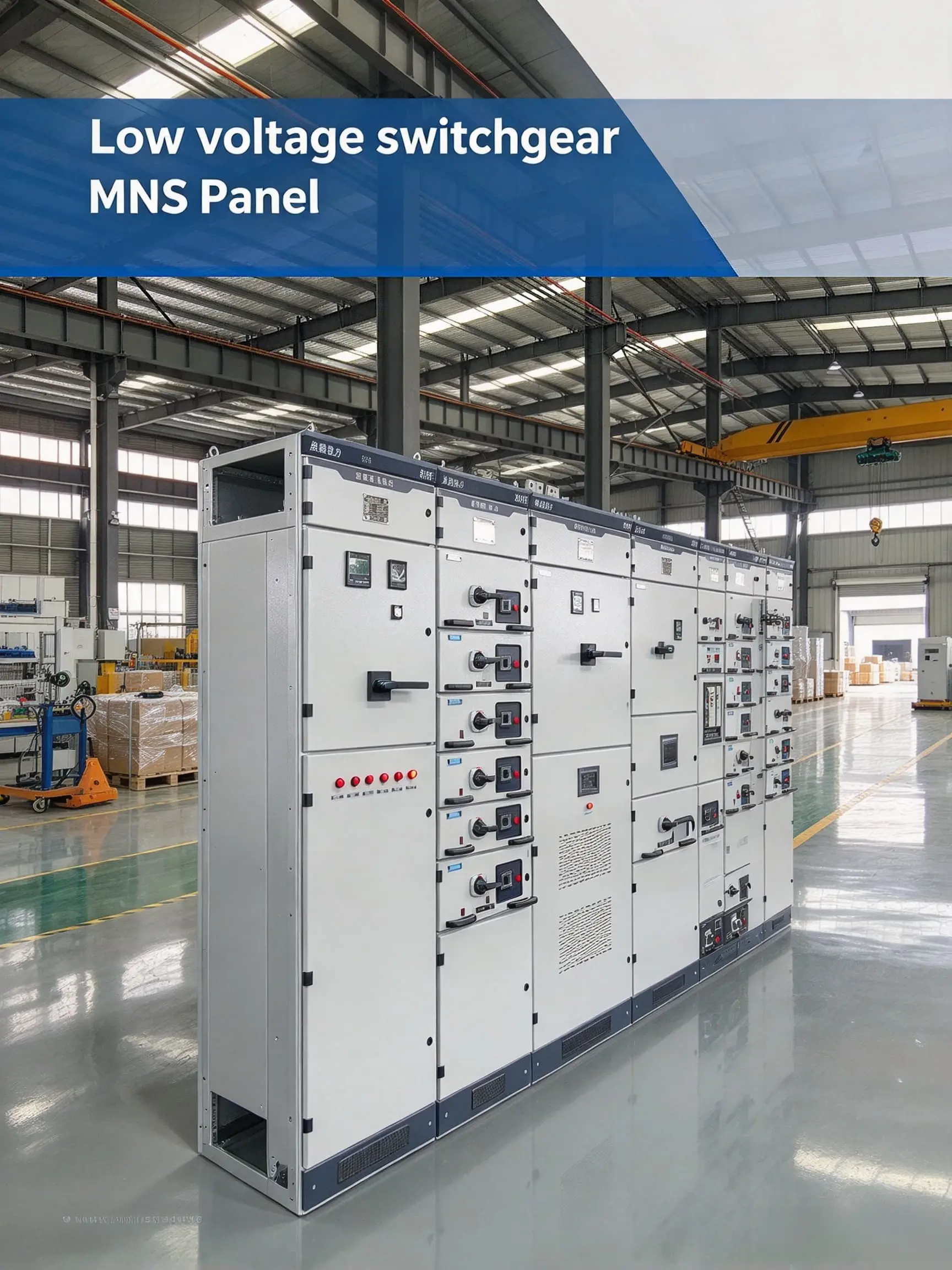

Electrical infrastructure projects require equipment that can meet defined performance, safety, and integration requirements. Whether a buyer is planning a distribution network, industrial installation, or utility upgrade, choosing an equipment supplier involves comparing more than product catalogues. Technical compatibility, manufacturing capability, service support, and compliance documentation all influence the long-term suitability of electrical equipment.
Businesses researching Chyf Electric Alternatives should approach the process as a technical comparison rather than simply searching for another company name. The most appropriate alternative is the manufacturer or supplier whose products meet the project’s specifications, operating environment, and commercial requirements.
Begin With the Equipment Category
Before comparing manufacturers, identify the type of equipment required. Electrical infrastructure covers several distinct product groups, including power transformers, distribution transformers, switchgear, prefabricated substations, and associated protection or control systems.
These products perform different functions and cannot be evaluated using the same criteria. A transformer changes voltage levels, while switchgear controls, isolates, and protects electrical circuits. A prefabricated substation may integrate several equipment sections into a coordinated package.
Create a clear list of required equipment, ratings, quantities, and project interfaces. This makes supplier comparisons more meaningful and reduces the risk of evaluating products that serve different purposes.
Establish the Technical Requirements
A useful supplier comparison begins with a complete specification. For transformers, this may include rated capacity, voltage ratio, frequency, impedance, winding configuration, cooling method, and applicable standards.
For switchgear, relevant information may include rated voltage, continuous current, short-time withstand current, switching duties, internal arc classification where required, protection functions, and installation conditions.
The project team should also document environmental requirements. Ambient temperature, altitude, humidity, pollution, indoor or outdoor placement, and available space can affect equipment selection.
Avoid relying on general product descriptions such as heavy-duty, advanced, or high-performance. Ask for measurable ratings and technical documents that can be checked against the project specification.
Compare Engineering and Customization Capability
Some projects can use standard products, while others need customized configurations. Buyers should determine whether potential suppliers can adapt equipment dimensions, terminal arrangements, protection interfaces, monitoring features, or enclosure designs.
Customization should be based on a genuine technical need. Every modification can affect cost, delivery time, testing, and future maintenance. Ask the supplier to explain design limitations and identify which requirements are standard and which require engineering changes.
For integrated systems, check whether the supplier can coordinate transformer, switchgear, and control interfaces. Clear drawings and documented responsibilities help avoid gaps between separate equipment packages.
Examine Manufacturing Quality
A supplier’s manufacturing process should be supported by appropriate quality controls. Ask how incoming materials are inspected, how production operations are monitored, and how completed equipment is tested.
Relevant evidence may include quality-management documentation, inspection procedures, production records, and product test reports. Buyers should verify that documents relate to the equipment being offered rather than accepting generic certificates without context.
Factory inspections or third-party assessments may be appropriate for high-value projects. These checks can help establish whether production capacity and quality systems are consistent with the supplier’s claims.
Check Standards and Certification
Electrical products must comply with the standards and regulations applicable to their intended use and destination market. Depending on the equipment, this may involve IEC, IEEE, national requirements, or utility-specific specifications.
Ask suppliers to identify the standards applied to each product and provide relevant test evidence. If a project requires particular certifications, verify their scope, validity, and relevance to the offered model.
A certificate for one product category should not be assumed to establish compliance for a different product or configuration.
Assess Delivery and Technical Support
International procurement requires coordination of production, packing, transportation, customs documentation, and site delivery. Ask for realistic lead times and identify the milestones that affect the delivery programme.
For heavy equipment, confirm dimensions, weight, lifting arrangements, and transport requirements. Check whether the supplier provides installation instructions, commissioning support, spare parts, and warranty assistance.
A competitive product may be less suitable if the supplier cannot provide the documentation or technical support required by the project team.
Compare Total Value
Price comparisons should use equivalent technical specifications and commercial terms. Review included accessories, testing scope, packaging, delivery responsibilities, warranty, and any exclusions.
Consider operating losses, maintenance access, spare-part availability, and the consequences of equipment downtime. These factors may influence long-term cost more than a modest difference in the original purchase price.
Create a Practical Supplier Shortlist
A useful shortlist should distinguish between mandatory requirements and preferences. Eliminate suppliers that cannot meet essential ratings or compliance obligations, then compare the remaining candidates on engineering capability, quality assurance, delivery performance, and service support.
Request a formal technical proposal and record deviations clearly. This creates an auditable basis for procurement approval and contract negotiations.
Choose According to Project Evidence
Exploring alternatives to an existing electrical equipment supplier is an opportunity to reassess project needs and identify a suitable long-term partner. The strongest candidate is not necessarily the largest manufacturer or the lowest bidder.
A careful comparison of specifications, test evidence, production capability, and support arrangements helps buyers select equipment that fits modern electrical infrastructure safely and reliably.