
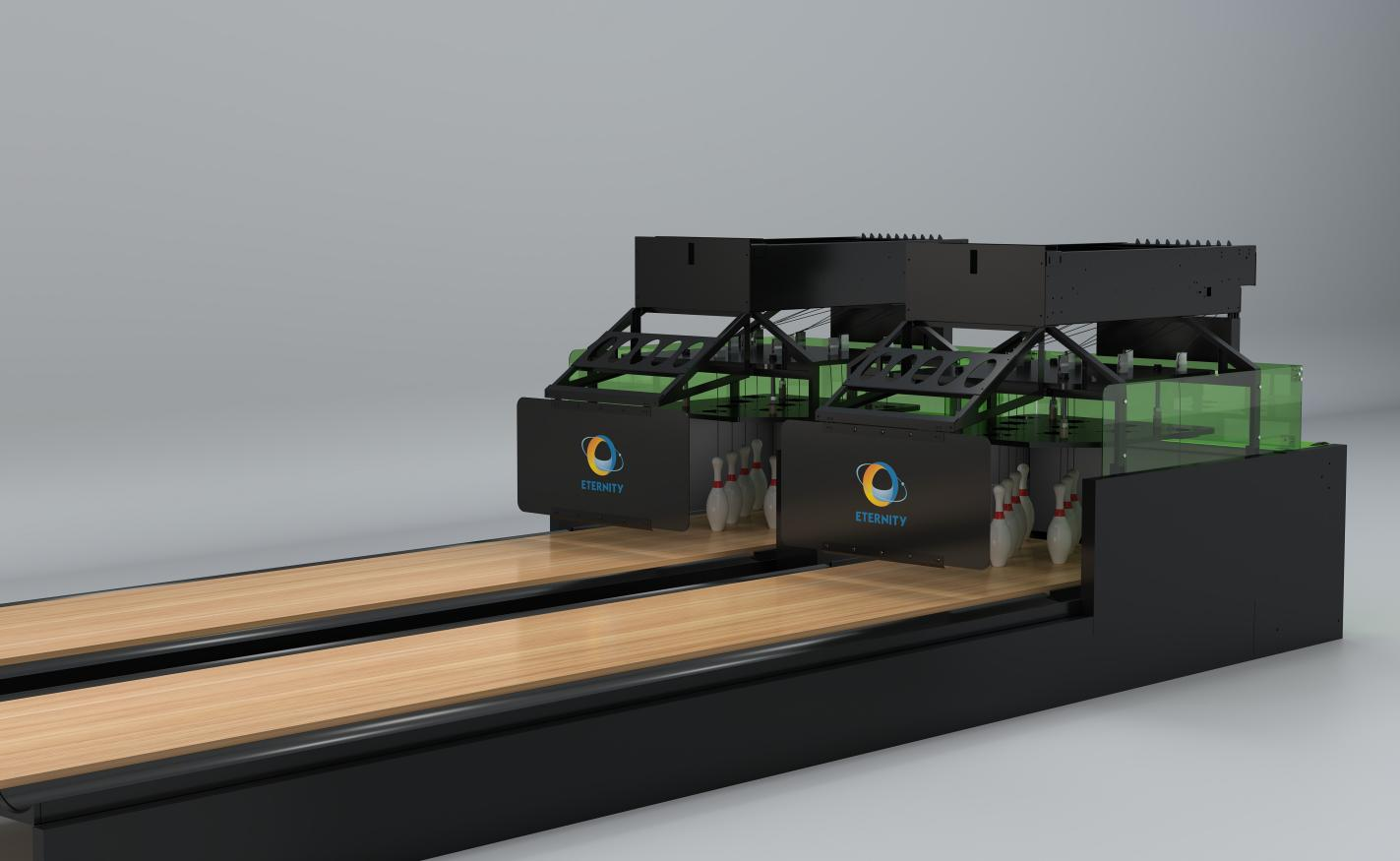

Installing bowling equipment involves more than placing individual components in a facility. Lanes, pinsetting systems, ball returns, scoring technology, electrical systems, and other equipment must be positioned and configured correctly for the facility to operate as intended.
A Bowling Equipment Manufacturer can support the installation process by providing technical documentation, equipment specifications, installation guidance, training, and troubleshooting assistance. The level of support varies between manufacturers and projects, so these services should be discussed before an order is placed.
Providing Technical Specifications
Installation planning begins with accurate product information. Manufacturers can provide dimensions, weight requirements, electrical specifications, connection details, clearances, and other technical information needed by architects and contractors.
Having these details early allows the project team to prepare the building and infrastructure before equipment arrives.
Supplying Installation Documentation
Clear installation manuals and technical drawings can help contractors understand how individual components should be positioned and connected.
Documentation may cover assembly procedures, wiring diagrams, component layouts, required tools, adjustment procedures, and safety considerations. The exact information depends on the type of equipment.
Coordinating With the Project Team
Large bowling projects may involve architects, contractors, electricians, engineers, facility managers, and equipment installers. Manufacturers can provide technical information to help these parties coordinate their work.
Early communication is particularly useful when equipment has specific floor, electrical, structural, ventilation, or network requirements.
Preparing the Installation Area
Equipment installation may require specific site conditions. Before delivery, the facility may need to prepare flooring, electrical connections, network infrastructure, access routes, and service areas.
Manufacturers can identify relevant preparation requirements so that contractors can complete necessary work before installation begins.
Supporting Lane Installation
Lane systems require careful positioning and alignment. Installation teams need to consider dimensions, lane spacing, approach areas, gutters, pinsetter locations, and other related components.
Manufacturers may provide installation specifications and alignment information to help ensure that lane components are installed according to the intended design.
Installing Mechanical Systems
Pinsetters, ball returns, and other mechanical systems contain multiple components that must be assembled and adjusted correctly. Improper installation can affect performance and increase maintenance requirements.
Manufacturers may provide detailed assembly instructions or recommend qualified technicians for specialized installation work.
Connecting Scoring and Electronic Systems
Modern bowling centers can include digital scoring, displays, sensors, control units, networking equipment, and other electronic components. These systems need appropriate power and communication connections.
Manufacturers may provide wiring diagrams, configuration instructions, software information, and technical support to assist with setup.
Equipment Testing After Installation
Installation should generally be followed by testing. Mechanical components can be checked for movement and alignment, while electronic systems can be tested for communication and correct operation.
Testing helps identify installation issues before the facility begins regular operation. Manufacturers or installation specialists may assist with commissioning depending on the project arrangement.
Calibration and Adjustment
Some equipment requires calibration or adjustment after installation. Sensors, mechanical components, scoring systems, and other equipment may need to be configured according to the facility’s specific setup.
Manufacturers can provide recommended settings or procedures for completing these adjustments correctly.
Staff Training
Facility employees may need training on equipment operation, routine maintenance, troubleshooting, and safety procedures. Training can help staff respond to minor issues without unnecessary delays.
Manufacturers may provide manuals, online resources, remote guidance, or direct training depending on the equipment and service agreement.
Troubleshooting During Setup
Unexpected problems can occur during installation or initial operation. Technical support can help identify whether an issue is related to assembly, configuration, electrical connections, software, or a component.
Before purchasing, ask what troubleshooting assistance is available during installation and whether support continues after the facility opens.
Supporting Final Commissioning
Commissioning is the process of confirming that installed equipment is ready for normal operation. It can include functional checks, system configuration, safety reviews, and final adjustments.
A clear commissioning process can help project teams identify outstanding issues before handing the facility over to its operators.
Providing Maintenance Information
Installation support should also include information about ongoing equipment care. Maintenance schedules, cleaning procedures, inspection points, lubrication requirements, and replacement-part information can help facility operators maintain equipment after setup.
Having this information from the beginning allows managers to establish maintenance procedures before normal operations begin.
Planning for Future Service
Equipment should be installed with future maintenance and repairs in mind. Technicians may need access to motors, sensors, control systems, mechanical components, or other service points.
Manufacturers can provide information about required service clearances and component access. Considering these details during installation can reduce complications later.
Questions to Ask Before Purchasing
Before selecting a manufacturer, facility operators should clarify the scope of installation support. Important questions include:
- Are installation manuals and technical drawings provided?
- Does the manufacturer offer installation supervision?
- Are qualified installation technicians available?
- What site preparation is required?
- Is commissioning included?
- Is staff training available?
- What technical support is provided during setup?
- What maintenance documentation is supplied?
Getting clear answers can help prevent misunderstandings about responsibilities and additional installation costs.
Final Thoughts
Successful bowling equipment installation depends on careful planning, accurate technical information, proper assembly, system configuration, and thorough testing. Manufacturer support can help project teams understand these requirements and address technical issues during setup.
When evaluating suppliers, buyers should consider installation assistance alongside equipment quality and price. Clear documentation, technical support, training, commissioning, and maintenance guidance can all contribute to a smoother transition from equipment delivery to normal facility operations.