
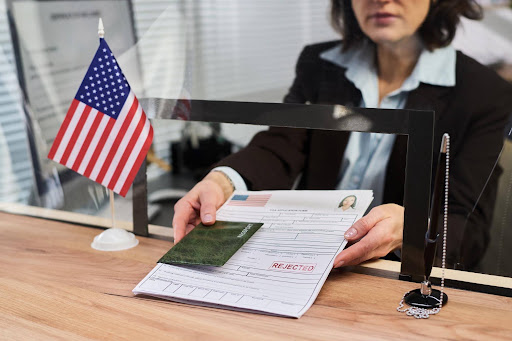

A visa application can feel straightforward at first: choose the destination, complete the forms, prepare documents, and wait for the next step. In reality, international travel often involves several stages that need careful attention. For applicants planning a trip to the United States, knowing how the process works can make preparation more organised. Support with USA visa facilitation service can also help applicants understand administrative requirements, prepare information correctly, and approach each stage with greater confidence.
Start With A Clear Travel Purpose
Every visa application begins with understanding why the applicant wants to travel. A holiday, business visit, family meeting, conference, or short-term professional activity can involve different circumstances and supporting evidence.
The purpose of travel should be explained consistently across the application. Details such as the intended destination, expected duration, accommodation, funding arrangements, and reason for returning to the UK should form a coherent picture.
Starting with this foundation can prevent applicants from collecting documents randomly. Instead, every piece of information can serve a specific purpose within the application.
Review The Relevant Visa Category
The United States offers different visa categories for different travel circumstances. Selecting the appropriate category is therefore an important early step, particularly before arranging a USA visa facilitation service.
For many temporary visitors, the B-1/B-2 category may be relevant for business or tourism purposes. However, applicants should assess their individual circumstances and the nature of their planned activities before deciding which category applies.
Using the wrong category can create unnecessary complications. Applicants should rely on official US government guidance for eligibility and visa classification rather than choosing a category simply because it appears familiar.
Organise Information Before Applying
Preparation becomes easier when information is collected before the application is completed. Applicants may need details concerning their passport, previous international travel, employment, education, family circumstances, accommodation, and proposed journey.
Having these details available can reduce interruptions while completing forms. It can also make it easier to identify inconsistencies before submission.
A useful approach is to create a personal preparation folder containing relevant records and travel information. Keeping everything together allows applicants to check dates, names, addresses, employment details, and previous travel history carefully.
Prepare For The Application Form
The application form is more than an administrative requirement. It provides authorities with information about the applicant and their circumstances.
Applicants should read each question carefully and provide accurate information. Dates should be checked against passports and other records, while names and addresses should be entered consistently.
It is also important to avoid guessing when information is uncertain. Where official instructions provide guidance for a particular question, applicants should follow those instructions rather than relying on assumptions.
Plan Visa Interview Appointments Carefully
For applicants who need an interview, scheduling becomes another important part of the process. Visa interview appointments should be approached as a planned stage rather than something to arrange at the last minute.
Availability can vary, and applicants may need to consider appointment locations, travel time, document preparation, and their intended travel schedule. An appointment date should therefore be considered alongside the wider application timeline.
Applicants should also monitor official appointment instructions and keep confirmation details accessible. If circumstances change, they should follow the official procedure for modifying or managing an appointment.
Build A Consistent Document Set
Documents should support the information provided in the application rather than simply create a large collection of paperwork.
Depending on the circumstances, applicants may need evidence relating to employment, finances, travel plans, accommodation, previous travel, or other relevant personal information. The exact requirements can differ according to the visa category and individual situation.
A consistent document set should tell the same story as the application form. For example, employment details should correspond with the information supplied in the application, while financial documents should accurately reflect the applicant’s circumstances. Organising documents in advance also makes it easier to identify missing or outdated records.
Manage Timing Around Travel Plans
Travel planning should not begin with the assumption that a visa will definitely be issued by a particular date. Processing times and appointment availability can vary, so applicants should allow reasonable time between application preparation and intended travel.
This is particularly relevant when travel is connected to fixed dates such as conferences, family events, or business commitments.
Early preparation provides more room to respond if additional administrative steps become necessary. It also gives applicants time to review their information instead of rushing through the final stages.
Know The Limits of Facilitation Services
A USA visa facilitation service can assist applicants with administrative preparation, document organisation, application guidance, and other practical aspects of the process. However, applicants should understand the distinction between assistance and decision-making.
Visa approval is determined by the relevant US authorities. No private consultancy can guarantee approval, override eligibility requirements, or determine the final outcome.
Understanding this distinction helps applicants use professional assistance realistically. A service can make the preparation process more structured, but the applicant remains responsible for providing truthful information and meeting the applicable requirements.
Handle Previous Visa Refusals Carefully
A previous refusal does not mean that an applicant should simply repeat the same application. Circumstances may have changed, or the applicant may need to better understand the concerns associated with the earlier application.
Applicants should review the refusal information carefully and assess what has changed before submitting another application.
This is another situation where careful preparation matters. New documents should be relevant to the applicant’s current circumstances rather than added simply to make the application appear larger.
Conclusion
A US visa application is easier to manage when it is treated as a sequence of connected stages rather than a single form or appointment. Travel purpose, visa category, application information, documents, visa interview appointments, and interview preparation all contribute to the overall process.
Careful preparation cannot guarantee a particular outcome, but it can reduce avoidable errors and make the journey easier to manage. Applicants who prefer structured guidance can explore professional support from Schengen Visa Consultancy Limited while continuing to follow the requirements set by the relevant US authorities.