
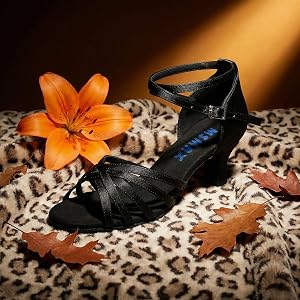

Choosing the right footwear can make a noticeable difference in Latin dancing, where balance, flexibility, and precise footwork are essential. Whether practicing salsa, cha-cha, rumba, or samba, dancers need shoes that support controlled turns, quick weight transfers, and fluid movement. While standard dance shoes meet the needs of many performers, they may not provide the ideal combination of fit, support, and design for every individual.
The main difference lies in how the footwear is selected and constructed to meet a dancer’s requirements. With Custom Latin Dance Shoes, dancers may have opportunities to personalize features such as sizing, heel height, materials, and appearance, depending on the manufacturer’s options. Understanding these differences can help you decide whether customized footwear or a standard pair is better suited to your dancing style, experience, and budget.
Understanding Standard Latin Dance Shoes
Standard dance shoes are manufactured according to established sizing systems and predefined designs. They are available in a range of styles, colors, heel heights, and materials, making them accessible to dancers with different preferences and budgets.
One advantage of standard footwear is convenience. Dancers can compare available models, try on different sizes, and purchase a pair without waiting for a personalized manufacturing process. For beginners and recreational dancers, this can be a practical way to find suitable footwear.
However, standard sizing cannot account for every difference in foot shape. Someone with a narrow heel, wide forefoot, high instep, or an unusual size combination may find that a conventional design fits less comfortably than expected.
What Defines Custom Latin Dance Shoes?
Custom dance shoes are designed or adjusted according to individual specifications. The extent of personalization varies by manufacturer, so some options may involve specific measurements while others focus on materials, colors, heel styles, or decorative details.
The objective is to create footwear that better matches the dancer’s physical requirements and preferences. Rather than selecting only from predetermined combinations, buyers may be able to choose certain features to suit their technique and intended use.
Customization does not automatically guarantee superior comfort or performance. The quality of the construction, accuracy of measurements, suitability of the design, and skill of the manufacturer remain important factors.
Key Differences Between Custom and Standard Dance Shoes
Although both types can be suitable for Latin dancing, several differences may influence the purchasing decision.
1. Fit and Foot Shape
Fit is one of the most significant considerations when comparing customized and standard footwear. Standard shoes follow predetermined sizing patterns, which work well for many dancers but may not accommodate every foot shape.
Custom options may allow adjustments to length, width, or other fitting dimensions. This can be helpful for dancers who regularly experience heel slippage, pressure around the toes, or discomfort across the forefoot.
A properly fitted shoe should hold the foot securely without causing painful compression. Regardless of whether the footwear is custom-made or standard, accurate measurements and appropriate fitting remain essential.
2. Heel Height and Design
Heel height influences posture, weight distribution, and the way a dancer balances during turns. Standard shoes generally offer selected heel heights and shapes, allowing buyers to choose from available models.
Customized footwear may provide additional choices, depending on the manufacturer’s capabilities. Dancers can consider their experience level, preferred dance styles, and comfort when evaluating these options.
A higher heel is not necessarily better. Beginners may find a moderate heel easier to manage, while experienced dancers may prefer a different height based on their established technique. Stability and comfort should take priority over appearance.
3. Material Selection
Standard dance shoes are typically available in established material combinations, such as satin, leather, or synthetic uppers. These materials differ in appearance, flexibility, durability, and maintenance requirements.
Customization may offer more control over the material or finish used in the final design. This can help dancers coordinate their footwear with performance costumes or choose a material that suits their practice habits.
Regardless of the selection, the material should be appropriate for the intended use. A delicate finish may be suitable for competitions but require more care during frequent training.
4. Color and Personal Style
Standard footwear offers a selection of existing colors and designs. This can be sufficient for dancers who prefer versatile shoes that coordinate with multiple outfits.
Custom options may allow greater freedom to select colors, contrasting straps, decorative accents, and other visual details. These choices can help performers develop a distinctive appearance while maintaining a consistent style across their dance wardrobe.
A personalized look should still account for practicality. Decorations must not interfere with movement, create friction, or weaken the shoe’s structure.
5. Sole Construction and Flexibility
The sole affects traction, rotation, and the dancer’s ability to articulate the foot. Many Latin dance shoes feature suede soles designed for controlled movement on appropriate indoor dance floors.
Standard shoes come with the sole construction specified for each model. Some customized options may provide a choice of sole materials or other construction details.
The correct selection depends on the floor surface, dance style, and personal technique. Excessive traction can make pivoting difficult, while insufficient grip may increase the risk of slipping. A suitable balance is essential for controlled movement.
Comfort During Long Practice Sessions
Comfort becomes especially important when dancers train for extended periods. Repeated turns, quick steps, and sustained pressure on the forefoot can expose fitting problems that are not obvious during a brief try-on.
Standard shoes can provide excellent comfort when their shape matches the wearer’s feet. However, dancers who repeatedly encounter pressure points or instability may benefit from exploring whether customized measurements are available.
Cushioning, strap placement, breathability, and overall shoe structure also contribute to comfort. Personalization should address actual needs rather than adding features that do not improve the fit or function.
Persistent pain, numbness, or significant discomfort should not be treated as a normal part of breaking in dance shoes. Consider professional fitting advice or healthcare guidance when these problems continue.
Performance and Movement Control
Latin dancing involves precise changes in direction, controlled pivots, and coordinated movements through the feet and ankles. Footwear that fits well and suits the dancer’s technique can make these actions feel more predictable.
Customized shoes may help address specific fitting or design preferences that are difficult to find in standard models. Nevertheless, performance depends on several factors, including technique, conditioning, floor conditions, and footwear construction.
A custom pair will not automatically improve dancing ability. Its value lies in providing a design that may better suit the dancer’s requirements, allowing attention to remain on rhythm, coordination, and technique rather than unnecessary footwear adjustments.
Cost and Value for Money
Standard dance shoes are often more accessible in terms of price and availability. They can be a sensible choice for beginners, occasional dancers, or anyone who finds a suitable fit among existing models.
Custom footwear may cost more because of individual measurements, specialized materials, additional design work, or a more involved production process. The final price depends on the manufacturer and the degree of personalization.
When comparing costs, consider more than the initial purchase price. Evaluate comfort, expected frequency of use, durability, maintenance requirements, and the availability of adjustments or replacements.
A standard pair that fits well may provide excellent value. Customization is worth considering when specific requirements make it difficult to find an appropriate ready-made alternative.
Production Time and Availability
Standard shoes are generally available for immediate purchase when the desired model and size are in stock. This makes them convenient for dancers who need footwear quickly before classes, rehearsals, or competitions.
Customized shoes may require additional time for measurements, production, and delivery. The timeframe depends on the manufacturer’s process, material availability, and shipping arrangements.
If you need shoes for a scheduled performance, place your order well in advance. Allow enough time to inspect the finished product, confirm the fit, and practice in the shoes before the event.
Which Option Is Better for Beginners and Experienced Dancers?
The best choice depends on your current needs rather than your experience level alone.
Standard dance shoes may be suitable if you:
- Are learning Latin dance and want an accessible starting option.
- Can find a comfortable fit in a regular size.
- Prefer a ready-to-wear design.
- Need footwear within a limited budget or timeframe.
Custom dance shoes may be worth exploring if you:
- Have foot dimensions that are difficult to accommodate with standard sizing.
- Experience recurring fitting issues with conventional models.
- Want specific heel heights, materials, or design features.
- Have established preferences based on regular training or performance.
Neither option is universally superior. A carefully selected standard shoe may work better than a poorly fitted custom pair, so assess the actual construction and fit before making a decision.
What to Check Before Buying Either Type
Before purchasing dance footwear, review the features that directly affect comfort and movement.
- Fit: Confirm that the shoe holds your foot securely without painful pressure.
- Heel stability: Choose a height and shape appropriate for your technique and comfort.
- Sole suitability: Make sure the sole works with your usual dance floor.
- Material quality: Consider flexibility, durability, breathability, and care requirements.
- Construction: Inspect straps, stitching, and heel attachments.
- Purchasing terms: Check delivery estimates, return conditions, and policies for fitting issues.
For customized orders, also confirm exactly which features can be adjusted and whether the manufacturer needs specific measurements before production begins.
Final Thoughts
The main difference between custom and standard Latin dance shoes is the degree of personalization available. Standard footwear provides convenience, established designs, and a range of ready-made options, while customized shoes may offer greater flexibility in fit, heel selection, materials, and appearance.
The right choice depends on your foot shape, dance style, experience, budget, and individual preferences. Begin by identifying the features that matter most for comfort and movement, then compare the available options carefully.
Whether you choose a standard model or a personalized design, prioritize a secure fit, appropriate sole construction, and reliable stability. These qualities provide a practical foundation for confident movement and a more comfortable experience on the dance floor.