
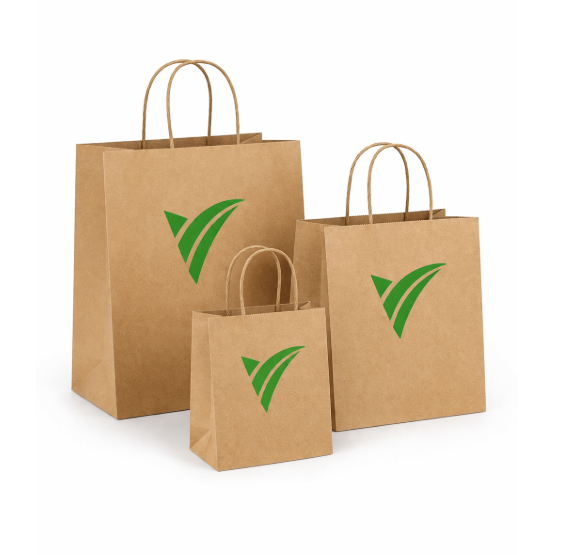

Paper bags do more than carry products. They protect purchases, support convenient handling, and shape how customers experience a brand. Retailers, restaurants, bakeries, supermarkets, and online businesses must balance strength, size, appearance, cost, and environmental considerations. Choosing a reliable Paper Bag Manufacturer can help businesses find packaging that matches their products, daily operations, and customer expectations. Understanding the available options makes it easier to select bags that are practical, durable, and suitable for the intended purpose.
1. Identify What the Bag Will Carry
Start with the products customers will place inside. Clothing, cosmetics, groceries, takeaway meals, and bakery items have different needs. Lightweight products may suit simple bags, while heavier goods require stronger paper, secure handles, and a sturdy base.
Consider dimensions, shape, and packed weight, including boxes, tissue, or inserts. A bag that is too small is difficult to pack, while an oversized one can waste material and let products shift. Food businesses should also consider grease resistance and suitability for the intended food-contact use.
2. Choose the Right Type of Paper Bag
Different styles serve different purposes.
SOS paper bags
SOS bags have a flat, square base and can stand upright. They suit groceries, pharmacies, bakeries, and takeaway counters where quick packing matters.
Flat-handle paper bags
Flat handles provide a practical grip for everyday shopping. These bags are common in clothing stores, supermarkets, and general retail.
Twisted-handle paper bags
Twisted handles offer a refined appearance and comfortable grip. They suit boutiques, gifting, events, and retailers where presentation matters.
Sheet-fed paper bags
Depending on materials and production, these bags can support finishes such as embossing, foil stamping, or specialised coatings. They are often used for cosmetics, luxury retail, and gifts.
E-commerce paper bags
Paper-based mailing formats may include secure closures and reinforced construction. Check whether the bag suits the product, delivery conditions, and protective packaging required.
3. Select Suitable Paper Quality and Thickness
Paper thickness is often measured in grams per square metre (GSM). Higher GSM generally means heavier paper, but it does not alone determine how much a finished bag can carry. Paper strength, dimensions, handles, adhesive, and base construction also matter.
Ask the supplier to recommend specifications for the intended contents. For heavier products, request a sample and test it with a representative load, checking seams, handles, and the base.
For light purchases, unnecessarily heavy paper can raise costs and material use. For heavier goods, choosing only by price may lead to tearing. Aim for a practical balance between durability and cost.
4. Get the Size and Structure Right
Measure products in their final packed arrangement. Bag dimensions usually include width, gusset or depth, and height. The gusset affects capacity, especially for boxes, food containers, or multiple items.
Consider how employees pack bags and how customers carry them. A wide opening can speed packing, while a stable base can help keep containers upright. Businesses selling varied products may find a small range of bag sizes more efficient than ordering a separate size for every item.
Confirm dimensions with a physical sample when possible. This can reveal fit problems before a large order is produced.
5. Consider Branding and Printing
Packaging can make a business recognisable. A logo, brand colours, contact details, or short message can create consistency without overcrowding the design. Ensure the artwork remains clear when the bag is folded, filled, and carried.
Discuss printing methods with the supplier. Flexographic and offset printing suit different materials, quantities, and artwork requirements. Agree on colour matching, print placement, artwork preparation, and consistency across repeat orders.
Prioritise legibility. Retail bags may need a prominent logo, while food packaging may require practical details. Check applicable labelling rules for your product and market.
6. Match the Bag to Your Industry
Different industries need different features. Bakeries may need bags for bread, pastries, or cake boxes. Restaurants should consider food suitability, grease resistance, and performance during transport. Grocery stores need dependable bags for varied loads and quick packing.
Fashion and gift retailers may prioritise presentation, handle comfort, and print quality. E-commerce businesses should consider closures, product protection, and shipping processes. When choosing a Paper Bag Manufacturer, discuss your product mix, order volumes, and handling requirements rather than relying on generic specifications.
7. Review Sustainability and Disposal
Paper bags are often chosen as an alternative to plastic, but their environmental impact depends on sourcing, manufacturing, transport, use, and disposal. Not every paper bag is automatically sustainable in every situation.
Ask whether paper is responsibly sourced or recycled, which inks and coatings are used, and whether the finished bag can be recycled locally. Laminations and coatings may affect recyclability depending on available facilities.
Durability matters too. A reusable bag may provide more value than one that fails after a single use. Choose a construction that meets practical needs without unnecessary layers or finishes.
8. Compare Total Cost, Minimum Orders, and Delivery
The lowest unit price does not always offer the best value. Compare paper quality, printing, handles, customisation, packing, transport, and setup charges. Minimum order quantities can affect cash flow, particularly for small businesses or seasonal campaigns.
Request a written quotation listing dimensions, paper specification, handle type, print details, quantity, delivery schedule, and additional costs. Ask whether samples are available and how revisions are handled.
For repeat orders, discuss lead times and retention of approved artwork. Clear specifications help reduce differences between batches and support accurate budgeting.
Conclusion
Choosing the right paper bag requires assessing product weight, dimensions, paper quality, handles, printing, sustainability, and budget. Requesting samples and confirming specifications before production can prevent avoidable problems and help ensure bags perform as expected.
When comparing suppliers of paper packaging bags, businesses should review manufacturing capabilities, quality checks, customisation options, and delivery arrangements. VTPL manufactures paper bags in Bengaluru and lists SOS, flat-handle, twisted-handle, grocery, sheet-fed, and e-commerce bags, alongside printing and customisation services. Its website provides product information businesses can review when comparing packaging requirements.