
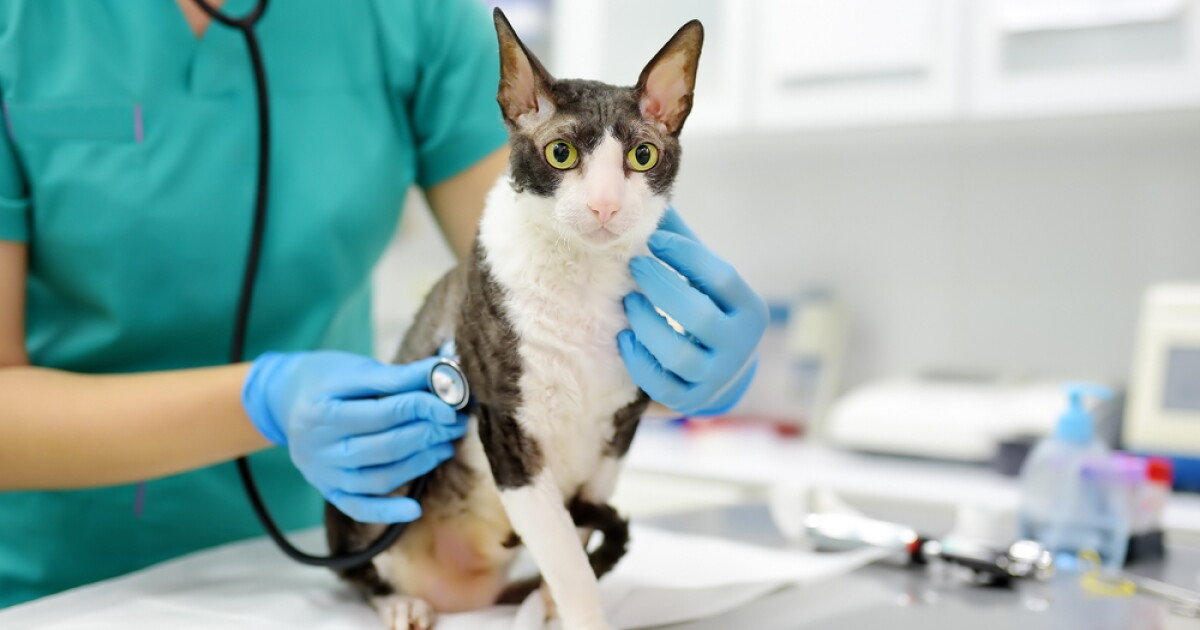

A pet may still run to the door, finish every meal, and enjoy its favourite activities while experiencing an early health problem. Subtle changes in appetite, weight, energy, or behaviour can be easy to overlook, especially when an animal appears happy and active. Regular veterinary visits help owners recognise these changes before they become more difficult to manage. A routine check up pet appointment provides an opportunity to assess overall health, review daily habits, and identify concerns that may not be obvious at home. With consistent care, pet owners can make informed decisions about nutrition, preventive treatments, and long-term wellbeing.
1. Small Changes Can Reveal Health Concerns
Animals cannot explain when something feels uncomfortable, so their bodies often communicate through gradual changes. A dog may become less interested in walks, while a cat might sleep more than usual or avoid jumping onto furniture. These behaviours can indicate several possible issues, including dental discomfort, joint problems, digestive disturbances, or other medical conditions.
During a veterinary examination, the veterinarian considers these observations alongside the pet’s medical history and physical condition. Even minor details can help build a clearer picture of health. Sharing recent changes in behaviour, drinking habits, or toilet routines makes the appointment more useful and helps determine whether further investigation is necessary.
2. What Happens During A Routine Examination
A wellness appointment usually begins with a discussion about the animal’s age, lifestyle, diet, vaccination history, and any concerns noticed at home. The veterinarian then performs a physical examination suited to the pet’s needs, making a pet wellness checkup in Dubai Silicon Oasis an important part of preventive healthcare.
This may include checking the eyes, ears, mouth, teeth, skin, coat, heart, lungs, abdomen, and lymph nodes. Weight and body condition are also assessed to identify possible nutritional concerns. Depending on the findings, the veterinarian may recommend blood tests, urine analysis, stool testing, or other diagnostic procedures.
Not every pet needs every test at every visit. Recommendations depend on factors such as age, breed, medical history, and existing symptoms. Understanding the purpose of each procedure allows owners to make informed choices about their pet’s care.
3. Age Determines The Type Of Care Needed
A young puppy or kitten has different health requirements from an adult animal or a senior companion. Younger pets need appropriate vaccination schedules, parasite prevention, growth monitoring, and guidance on feeding and behaviour. These early appointments also help owners establish healthy routines.
Adult pets generally benefit from regular assessments that track weight, dental condition, activity levels, and preventive care. As animals grow older, veterinarians may recommend more frequent visits or additional screening to monitor age-related changes.
There is no single schedule suitable for every animal. The veterinarian can suggest an examination frequency based on individual risk factors, helping owners plan care according to their pet’s stage of life.
4. Dental Health Deserves Regular Attention
Bad breath is often dismissed as a normal part of having a pet, but persistent unpleasant breath may indicate dental disease. Plaque can accumulate on teeth, harden into tartar, and contribute to gum inflammation. Without appropriate care, oral problems may cause pain, difficulty eating, and damage to the structures supporting the teeth.
During a wellness examination, the veterinarian checks the visible parts of the mouth for signs of inflammation, damaged teeth, or excessive buildup. A routine check up pet appointment can help identify these concerns early. Some dental conditions require a more detailed assessment or professional cleaning.
Owners can support oral health through suitable toothbrushing, pet-safe dental products, and regular monitoring. Any sudden difficulty chewing, bleeding gums, or refusal to eat should be discussed with a veterinarian rather than waiting for the next scheduled visit.
5. Nutrition And Weight Need Ongoing Monitoring
Feeding a pet involves more than filling its bowl each day. Nutritional needs change with age, body size, activity, reproductive status, and certain medical conditions. Portion sizes that once worked well may become unsuitable when an animal becomes less active or gains weight.
A veterinarian can assess body condition and discuss whether the current diet provides appropriate nutrients. Gradual weight gain may increase strain on joints, while unexplained weight loss can sometimes signal an underlying health concern. Changes in thirst or appetite may also deserve attention.
Rather than making sudden dietary changes, owners should seek advice on appropriate food choices, portion sizes, and feeding routines. Treats should be included in the overall daily intake, and fresh water should always be available.
6. Vaccinations And Parasite Prevention Protect Health
Vaccinations help protect pets against specific infectious diseases, but the appropriate schedule depends on the animal’s age, previous vaccinations, health status, and exposure risks. Puppies and kittens often need a series of initial vaccinations, followed by boosters according to veterinary recommendations.
Preventive care also includes assessing the need for protection against fleas, ticks, intestinal worms, and other parasites. The right approach may differ between an indoor cat, a dog that visits parks regularly, and an animal that travels frequently.
Keeping vaccination records and noting the dates of previous treatments can make consultations more efficient. A veterinarian can review these details and explain which preventive measures are appropriate instead of relying on a one-size-fits-all schedule.
7. Choosing Veterinary Care In Dubai Silicon Oasis
Convenience can make it easier to maintain a consistent healthcare routine for pets. Owners looking for a pet wellness checkup in Dubai Silicon Oasis should consider the clinic’s veterinary services, examination process, communication practices, and ability to explain recommended tests clearly.
It is helpful to bring previous medical records, vaccination details, medication information, and a list of questions to the appointment. Photos or short videos of unusual behaviour can also help the veterinarian understand symptoms that may not appear during the visit.
A good consultation should leave owners with a clear understanding of their pet’s current condition, any concerns that need monitoring, and the recommended follow-up plan. Knowing when to schedule the next examination also helps prevent routine care from being postponed.
Conclusion
Healthy pets benefit from attention long before obvious symptoms appear. Regular examinations, appropriate vaccinations, dental care, balanced nutrition, and preventive treatments all contribute to better health management. Owners who notice small changes and discuss them early can help veterinarians identify concerns and make suitable recommendations.
For families seeking routine veterinary guidance in Dubai Silicon Oasis, Pet Point Veterinary Clinic is an option to consider when arranging preventive care for their companions. Making wellness visits part of a pet’s regular routine helps build a practical foundation for comfort, activity, and healthier years ahead.