
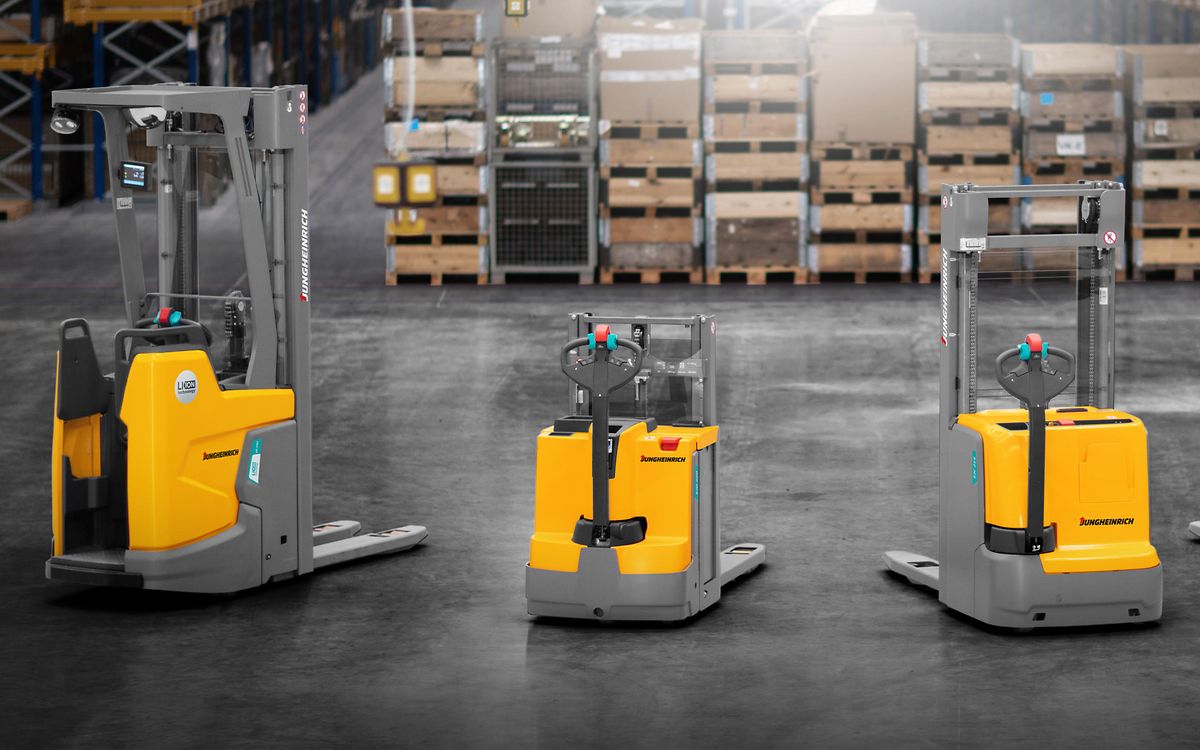

Electric stackers have become essential equipment in modern warehouses, distribution centers, and manufacturing facilities. Their ability to lift, move, and stack pallets efficiently helps businesses improve productivity while reducing manual labor.
However, like any industrial equipment, electric stackers require regular maintenance to ensure long-term performance, safety, and reliability. Proper care not only extends equipment lifespan but also reduces downtime and repair costs.
A widely used solution in material handling operations is the Meenyon Electric Stacker, which is designed for durability and efficient warehouse performance when properly maintained.
Importance of Regular Maintenance
Routine maintenance plays a crucial role in keeping electric stackers operating at peak efficiency. Without proper upkeep, even high-quality equipment can experience performance issues, safety risks, and reduced lifespan.
Consistent maintenance helps:
- Prevent unexpected breakdowns
- Improve operational safety
- Reduce long-term repair costs
- Maintain consistent lifting performance
A structured maintenance routine ensures that warehouse operations remain smooth and uninterrupted.
Daily Inspection Before Operation
One of the simplest yet most effective maintenance practices is performing a daily inspection before using the equipment. This helps identify small issues before they become major problems.
Operators should check for:
- Visible damage to forks or frame
- Proper functioning of control systems
- Hydraulic leaks or irregular movements
- Battery charge levels and connections
These quick checks ensure that the stacker is safe and ready for operation each day.
Proper Battery Care and Charging Practices
The battery is one of the most critical components of an electric stacker. Proper charging and handling directly impact performance and lifespan.
Good battery maintenance practices include:
- Charging the battery before it is fully depleted
- Avoiding overcharging or undercharging
- Keeping battery terminals clean and corrosion-free
- Using recommended chargers only
Proper battery care not only extends battery life but also ensures consistent lifting power throughout operations.
Lubrication of Moving Parts
Electric stackers contain multiple moving components that require regular lubrication to function smoothly. Without proper lubrication, friction can increase, leading to wear and reduced efficiency.
Key areas that need lubrication include:
- Lifting chains
- Wheel bearings
- Hydraulic components
- Pivot points and joints
Regular lubrication reduces wear and ensures smoother, quieter operation.
Keeping the Equipment Clean
Dust, debris, and dirt can accumulate on electric stackers over time, especially in busy warehouse environments. Regular cleaning helps maintain performance and prevents mechanical issues.
Cleaning practices should include:
- Wiping down the exterior after use
- Removing debris from wheels and forks
- Keeping control panels clean and dry
- Avoiding water exposure to electrical components
A clean machine not only performs better but also lasts longer.
Monitoring Load Capacity and Usage
One of the most common causes of equipment damage is overloading. Exceeding the recommended load capacity puts unnecessary stress on the stacker’s hydraulic and structural systems.
To avoid damage:
- Always follow manufacturer load guidelines
- Avoid uneven or unstable loads
- Distribute weight evenly on forks
- Train operators on proper load handling techniques
Proper usage ensures both safety and long-term durability.
Regular Professional Servicing
While daily and weekly maintenance can be handled by operators, periodic professional servicing is essential for deeper inspections and adjustments.
Professional technicians can:
- Inspect hydraulic systems in detail
- Test electrical components and wiring
- Replace worn-out parts
- Calibrate lifting mechanisms
Scheduled servicing helps identify hidden issues before they lead to major failures.
Tire and Wheel Maintenance
Wheels and tires play a key role in mobility and stability. Worn or damaged wheels can affect maneuverability and safety.
Maintenance tips include:
- Checking for wear and cracks regularly
- Ensuring proper wheel alignment
- Replacing damaged wheels promptly
- Keeping wheels free of debris
Well-maintained wheels ensure smooth and safe movement across warehouse floors.
Operator Training and Safe Usage
Even the best-maintained equipment can fail prematurely if used incorrectly. Proper operator training is essential for extending equipment life.
Operators should be trained in:
- Safe lifting and lowering procedures
- Proper steering and maneuvering techniques
- Emergency stop functions
- Daily inspection routines
Well-trained operators help reduce equipment strain and improve operational safety.
Conclusion
Maintaining electric stackers is essential for ensuring long-term reliability, safety, and efficiency in warehouse operations. Regular inspections, proper battery care, lubrication, and responsible usage all contribute to extending equipment lifespan.
The Meenyon Electric Stacker is designed for durability and consistent performance, but like all industrial equipment, it performs best when supported by proper maintenance practices. By following structured maintenance routines, businesses can maximize productivity while minimizing downtime and repair costs.