
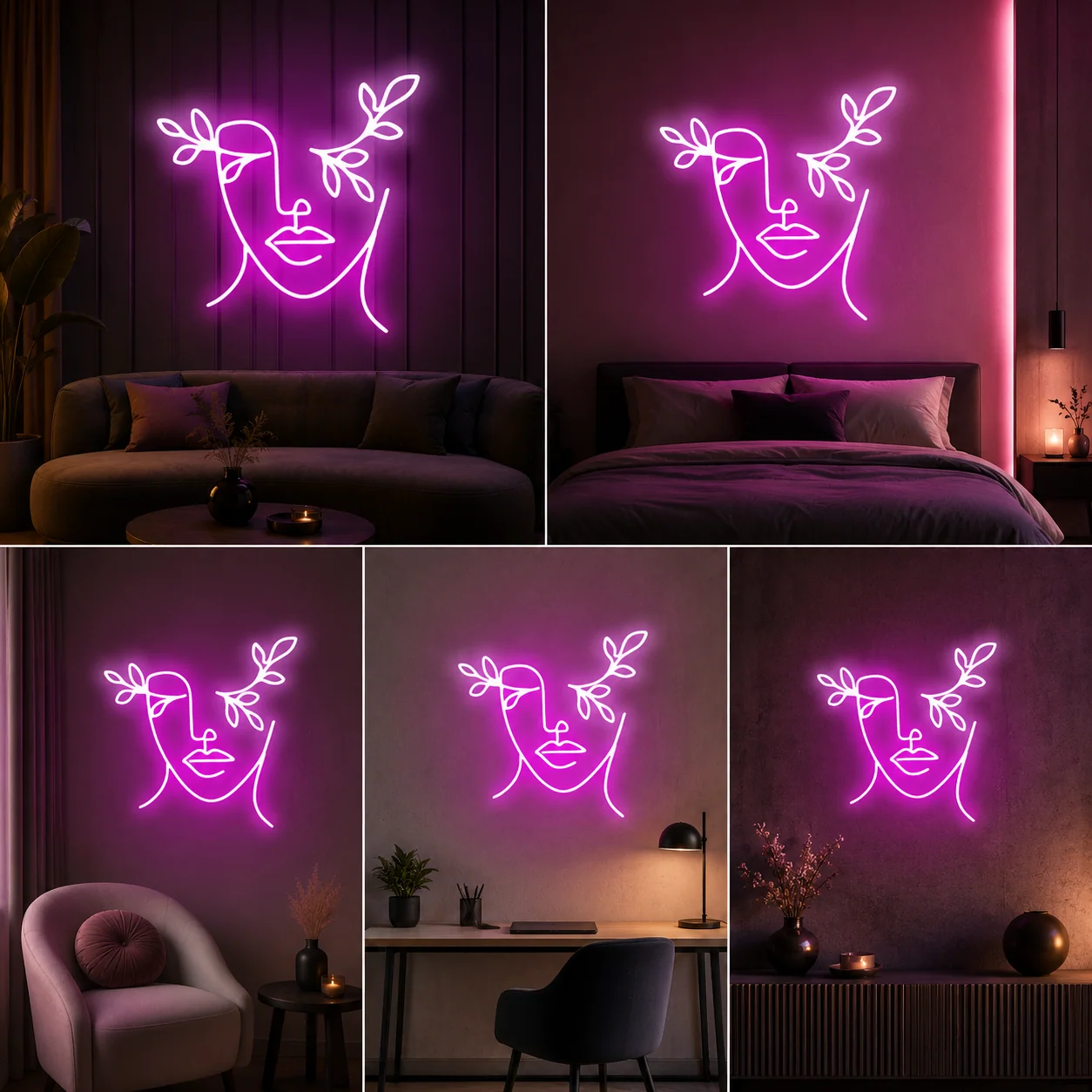

Custom neon signage has become a popular branding solution for businesses looking to improve their visibility and create attractive commercial spaces. From retail storefronts and restaurants to offices, hotels, and entertainment venues, illuminated signs can communicate brand identity while making business locations more recognizable. However, the quality of the finished product depends significantly on the manufacturer responsible for designing and producing it.
Selecting the right Neon Sign Manufacturer requires careful evaluation of several factors beyond pricing and appearance. Businesses should consider manufacturing experience, material quality, customization capabilities, production standards, and customer support before making a commitment. Understanding these considerations can help you choose a supplier that delivers signage suited to your specific requirements.
1. Industry Experience and Manufacturing Expertise
Experience is one of the first factors to evaluate when hiring a neon sign manufacturer. Companies with established industry knowledge are generally more familiar with different signage applications, production techniques, and technical requirements.
An experienced manufacturer should be able to handle various projects, including business logos, storefront lettering, decorative displays, and customized promotional signs.
Review the company’s portfolio to understand the range and complexity of its previous work. Pay attention to design accuracy, finishing quality, and consistency across different projects.
It is also useful to ask whether the manufacturer has experience working with businesses in your industry. This can help determine whether the company understands your branding objectives and practical signage requirements.
2. Quality of Materials and Components
Material quality directly affects a neon sign’s appearance, durability, and overall performance. Before hiring a manufacturer, ask about the materials used and how different components are selected.
Modern LED neon signs commonly feature flexible LED strips enclosed in silicone or PVC housing. Other components may include acrylic backing boards, mounting accessories, wiring, connectors, and power supplies.
Consider the following material-related factors:
- LED quality: Reliable lighting components help maintain consistent brightness and color.
- Protective housing: Suitable silicone or PVC materials protect the lighting elements.
- Backing materials: Durable backing supports the sign and contributes to its overall appearance.
- Electrical components: Properly matched power supplies and connections support safe operation.
- Environmental suitability: Outdoor signs require appropriate protection against moisture and weather exposure.
A professional manufacturer should be willing to explain its material specifications and recommend suitable options for your intended application.
3. Customization and Design Flexibility
Every business has a different visual identity, so customization should be an important part of your selection process. A suitable manufacturer should be capable of adapting designs according to your logo, brand colors, preferred dimensions, and installation requirements.
Ask whether the company can work with existing artwork, vector files, or reference images. This is especially important when reproducing detailed logos or specific typography.
Useful customization options may include:
- Different fonts and lettering styles.
- Multiple lighting colors.
- Customized shapes and symbols.
- Various sign dimensions.
- Acrylic backing options.
- Indoor and outdoor designs.
- Different mounting arrangements.
Before approving production, request a digital design preview. This allows you to review the layout and request adjustments before physical manufacturing begins.
4. Manufacturing Technology and Production Capabilities
The equipment and production methods used by a manufacturer can influence the accuracy and consistency of custom signage.
Professional manufacturing operations may use digital design software, precision cutting equipment, specialized bending tools, and electrical testing systems to produce customized signs.
However, advanced machinery alone does not guarantee a high-quality product. Skilled technicians and proper production procedures are equally important.
Ask about the company’s manufacturing process and how it handles complex designs. Understanding these details can help you determine whether its production capabilities match your project’s requirements.
5. Quality Control and Safety Standards
Quality control should never be overlooked when selecting a signage supplier. A properly manufactured neon sign should be inspected before delivery to ensure that its lighting, electrical components, and physical construction meet the agreed specifications.
Important inspection areas include:
- Consistent illumination across the entire design.
- Correct colors and lettering.
- Securely installed lighting components.
- Properly insulated electrical connections.
- Stable backing and mounting arrangements.
- Clean edges and professional finishing.
You should also ask about applicable electrical safety standards and product testing procedures. For outdoor signs, confirm whether the product has an appropriate ingress protection rating for its intended environment.
These checks help reduce potential problems after installation.
6. Pricing and Quotation Transparency
Price is naturally an important consideration, but choosing a manufacturer based only on the lowest quotation can lead to disappointing results.
Different suppliers may use different materials, production methods, and customization processes. These differences can explain variations in pricing.
Request a detailed quotation that clearly identifies the included services and components. Ideally, it should explain:
- Sign dimensions and specifications.
- Materials and lighting components.
- Design and customization costs.
- Mounting accessories.
- Packaging and shipping charges.
- Warranty coverage and additional services.
Compare quotations based on overall value rather than the initial price alone. A slightly higher investment may provide better materials, more reliable construction, and stronger after-sales support.
7. Production Time and Delivery Reliability
Production and delivery schedules are especially important when signage is needed for a business opening, renovation, exhibition, or marketing campaign.
Before placing an order, ask how long the manufacturer needs for design approval, material preparation, production, inspection, and packaging.
Custom projects may take longer than standard products because they require additional design and manufacturing work.
For international purchases, also consider shipping arrangements, transportation methods, tracking availability, and customs requirements.
A reliable manufacturer should provide realistic delivery estimates and communicate any changes that could affect the agreed schedule.
8. Customer Reviews and Company Reputation
A manufacturer’s reputation can provide useful information about its reliability and service quality. Reviewing customer experiences helps you understand how the company handles orders, communicates with clients, and resolves potential problems.
Look for feedback on independent review platforms and business directories rather than relying exclusively on testimonials published on the manufacturer’s website.
Pay attention to repeated comments about:
- Product quality and durability.
- Accuracy of customized designs.
- Communication and responsiveness.
- Order processing and delivery.
- Handling of complaints and warranty claims.
You can also request examples of previous commercial projects or references from customers with similar requirements.
9. Warranty and After-Sales Support
A manufacturer’s responsibilities should not necessarily end when the product is delivered. Custom signage may occasionally require technical assistance, replacement components, or maintenance guidance.
Before hiring a supplier, ask about its warranty policy and after-sales services.
Important questions include:
- How long does the product warranty last?
- Which components and defects are covered?
- Are replacement parts available?
- How are technical issues handled?
- Is installation guidance provided?
Make sure warranty conditions are clearly documented. Understanding the available support can help you avoid unexpected maintenance expenses later.
10. Energy Efficiency and Maintenance Requirements
Energy consumption is another practical consideration, particularly for businesses that keep illuminated signs operating for extended periods.
LED neon signage generally offers better energy efficiency than traditional glass neon systems. It also produces less heat and provides greater flexibility for customized designs.
However, actual electricity consumption depends on sign dimensions, LED specifications, power supply efficiency, and operating hours.
Ask the manufacturer about expected power consumption and recommended maintenance procedures. For outdoor installations, confirm that the selected materials and electrical components are suitable for environmental exposure.
Regular cleaning and proper installation can also help maintain the sign’s appearance over time.
11. Communication and Project Management
Clear communication is essential throughout a customized signage project. Misunderstandings about colors, dimensions, lettering, or installation requirements can result in products that do not match the original expectations.
Evaluate how the manufacturer responds to inquiries and explains technical information. A professional supplier should be able to discuss design possibilities, identify potential limitations, and provide updates throughout production.
It is also important to establish a clear approval process. Confirm that the final design, specifications, pricing, and production schedule are agreed upon before manufacturing begins.
Good project management helps keep the process organized and reduces the risk of unnecessary revisions.
Common Mistakes to Avoid When Hiring a Manufacturer
Even businesses with clear signage requirements can make mistakes when selecting a supplier. Being aware of common issues can help you make a more informed decision.
Avoid these purchasing mistakes:
- Choosing a manufacturer without reviewing its previous projects.
- Prioritizing low prices over material and construction quality.
- Failing to request a digital design preview.
- Ignoring electrical safety and environmental requirements.
- Overlooking warranty conditions.
- Not confirming production and shipping timelines.
- Assuming that every manufacturer offers the same customization options.
Taking time to verify these details can prevent avoidable complications and improve the overall purchasing experience.
Final Thoughts
Hiring the right neon sign manufacturer involves evaluating experience, materials, design flexibility, production capabilities, pricing, and customer support. Each factor contributes to the quality and suitability of the final signage.
Businesses should compare multiple suppliers, examine previous projects, request detailed quotations, and clarify warranty and delivery arrangements before making a final decision.
By focusing on quality, transparency, and technical expertise rather than price alone, you can select a manufacturing partner capable of producing custom signage that reflects your brand identity and meets your long-term business requirements.