
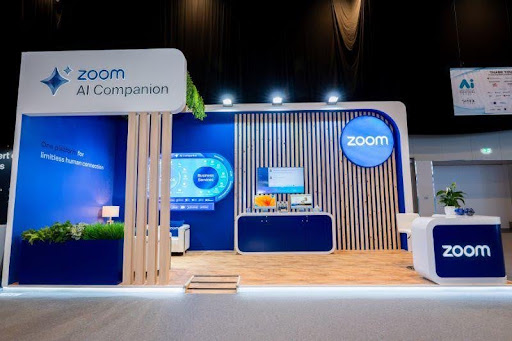

Walking through a busy exhibition hall can feel like moving through a city of competing messages. Every few steps, there is another display, another logo, and another team trying to start a conversation. In this environment, a well-planned exhibition space can give a brand a clear physical presence. Experienced exhibition stand builders combine layout, visual identity, technology, lighting, and visitor flow to create an environment that supports meaningful engagement rather than simply filling a floor area.
The right design can make it easier for visitors to recognise a brand and understand what it offers within moments. It can also create a natural setting for product demonstrations, business conversations, and valuable connections.
The Stand Begins With A Clear Purpose
An exhibition stand should begin with a business objective, not with decoration. A company may want to introduce a new product, meet potential buyers, strengthen existing relationships, generate leads, or simply increase awareness within a particular market.
Once the purpose is clear, the design can be developed around it. A stand intended for product demonstrations may need open interaction areas and practical presentation zones. A business focused on private discussions may require enclosed meeting spaces. When every design decision supports a defined goal, the finished space becomes easier for visitors to understand and easier for staff to use.
Layout Shapes The Visitor Experience
The arrangement of an exhibition stand quietly influences how people move through it. A crowded entrance can discourage visitors, while a completely open space may fail to guide them toward important information.
Good planning considers entry points, product displays, reception areas, meeting rooms, storage, demonstrations, and staff movement. The stand needs to feel accessible without becoming disorganized. Visitors should be able to understand where to go without needing constant direction from the team.
This makes spatial planning an important part of exhibition communication. The physical journey can reinforce the story that the brand wants to tell.
Materials Influence The Overall Impression
Materials affect both appearance and practical performance. Depending on the concept, designers may work with wood, metal, fabric graphics, acrylic, glass, lighting elements, and other display materials. Experienced exhibition stand builders in Dubai can help select materials that balance visual appeal with the practical demands of the venue.
The choice should reflect the purpose of the stand and the conditions of the exhibition venue. A premium product may benefit from refined finishes, while a technology-focused company may prefer a cleaner environment that allows screens and interactive displays to become visual focal points.
Material selection also needs to consider transportation, installation, dismantling, durability, and reuse where appropriate. A visually impressive idea still needs to work in the real conditions of an exhibition.
Technology Can Add Useful Interaction
Digital screens and interactive technology can change how visitors explore information. Instead of reading large amounts of printed content, attendees can view demonstrations, product videos, presentations, digital catalogues, or interactive experiences.
Technology works best when it has a clear purpose. A screen placed simply because it looks impressive may attract attention without producing meaningful engagement. By contrast, an interactive product demonstration can help a visitor understand something that would be difficult to explain through static graphics.
Audio and visual systems also require careful planning. Screen placement, sound levels, lighting, and power requirements should be considered early rather than added at the final stage.
Meeting Areas Need Thoughtful Planning
Exhibitions often create opportunities for conversations that would be difficult to arrange through ordinary marketing channels. A visitor who initially stops to look at a display may become a potential business contact after a short discussion.
Private or semi-private meeting areas can support these conversations. Their location matters because they should provide enough separation for focused discussions without disconnecting the sales team from the main visitor area.
Comfort also plays a role. Suitable seating, table placement, lighting, and noise control can make longer discussions more practical. These details may appear small, but they can influence whether an interaction feels rushed or professional.
Dubai Requires Strong Operational Coordination
Dubai hosts a wide range of exhibitions, conferences, product launches, and corporate events, making preparation especially important for brands participating in major shows. Exhibition stand builders in Dubai need to consider not only creative requirements but also venue procedures, installation schedules, logistics, safety expectations, and on-site coordination.
A stand may pass through several stages before the event opens. Design concepts have to become technical drawings, materials have to be prepared, components need to reach the venue, and installation has to be completed within the permitted timeframe.
This is why event execution cannot be separated from design. A concept is only valuable when it can be produced accurately and delivered according to the exhibition schedule.
Planning Ahead Protects The Final Result
Last-minute decisions can create unnecessary pressure. Starting early allows businesses to discuss objectives, review concepts, make design adjustments, confirm technical requirements, and coordinate production.
Early planning is particularly useful when the stand includes custom structures, multiple meeting spaces, large graphics, integrated technology, or complex lighting. It gives teams more time to resolve practical issues before they affect installation.
A clear timeline can also help align marketing, sales, design, production, and event teams. Everyone understands what needs to happen before the doors open.
Conclusion
An exhibition stand has only a limited amount of time to make an impression, but its influence can extend beyond the event itself. A carefully designed environment can help visitors understand a company’s offer, remember its identity, and associate the brand with a particular experience.
From the first architectural sketch to the final lighting adjustment, every decision contributes to that experience. When creative thinking is supported by practical planning and precise execution, the exhibition space becomes more than a temporary structure. Experienced exhibition stand builders can help bring these elements together while keeping the design aligned with the event’s purpose.
For businesses preparing for an upcoming exhibition, working with an experienced team such as Markable can provide a structured way to bring the brand’s physical presence, visitor experience, and event objectives together.