
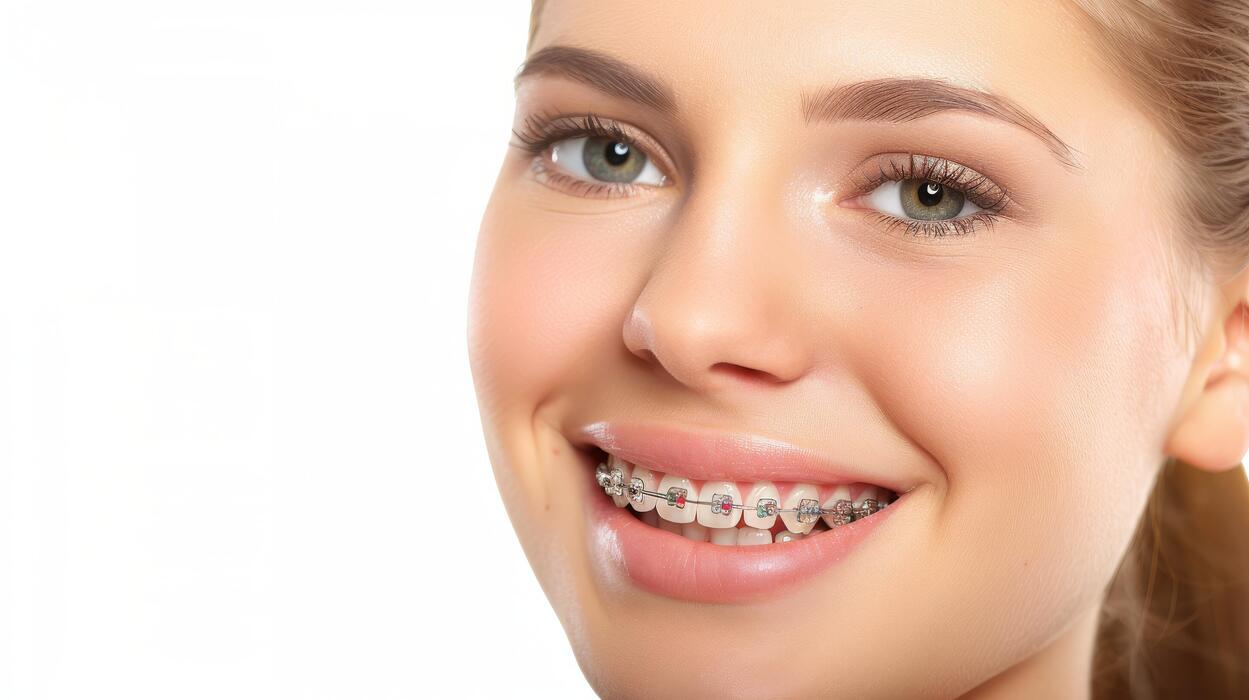

Modern dental patients are far more informed than before and actively compare treatment options before committing to orthodontic care. Instead of focusing only on results, patients now want full clarity on pricing, treatment duration, and long-term financial commitment. This shift has pushed dental clinics to adopt more transparent communication models that clearly explain every stage of treatment.
In this evolving healthcare landscape, the increasing demand for transparency has made braces transparent price an important factor influencing patient decisions, as individuals prefer clear, upfront cost structures rather than unclear or variable pricing models that create uncertainty during long treatment cycles.
Understanding How Orthodontic Pricing is Structured
Orthodontic treatment pricing is not a single fixed value; it is built through multiple components that reflect the complexity of dental correction, the type of braces used, and overall treatment duration. Each stage contributes to the final cost, and understanding these elements helps patients make more informed decisions.
1. Initial Consultation and Diagnosis Stage
The orthodontic journey begins with a consultation that includes oral examination, dental scans, and alignment assessment. This stage helps specialists determine the severity of misalignment and recommend suitable treatment options. Diagnostic tools and clinic expertise influence the initial cost structure.
2. Type of Braces Chosen for Treatment
Different orthodontic systems come with different pricing levels. Traditional metal braces are generally more affordable, while ceramic braces and clear aligners cost more due to aesthetics, material quality, and advanced customization involved in treatment planning.
3. Complexity of Dental Alignment Issues
Patients with severe misalignment, bite issues, or spacing problems often require longer and more detailed treatment plans. Increased complexity leads to additional adjustments, more clinic visits, and higher overall treatment costs.
4. Duration of Treatment Plan
Orthodontic treatment can last from several months to a few years, depending on the dental condition. Longer treatments naturally increase cost due to extended monitoring, adjustments, and follow-up appointments throughout the process.
5. Follow-Up Visits and Adjustments
Regular adjustments are necessary to gradually move teeth into correct alignment. Some clinics include these visits in bundled packages, while others charge separately depending on treatment structure and patient needs.
6. Post-Treatment Retainers and Maintenance
After braces removal, retainers are required to maintain results. This post-treatment phase is essential for long-term stability and adds to the total orthodontic cost structure.
Why Transparent Pricing Matters in Braces Treatment
Transparent pricing has become essential in modern orthodontics because it improves patient trust and eliminates confusion regarding long-term treatment expenses. Patients want clarity on what they are paying for before committing to multi-month or multi-year treatments.
A clear and well-structured braces transparent price system helps patients compare different clinics, understand value breakdowns, and choose treatment options that match both medical needs and financial expectations without unexpected charges
1. Strengthening Patient Confidence
Clear pricing builds trust between patients and orthodontists, making it easier for individuals to commit to long-term treatment plans without hesitation.
2. Avoiding Unexpected Treatment Costs
Transparent breakdowns ensure patients are aware of all expenses in advance, reducing financial stress during ongoing treatment phases.
3. Supporting Better Treatment Decisions
When patients understand the cost structure clearly, they can choose between different brace options more confidently based on affordability and needs.
4. Encouraging Early Orthodontic Care
Clear pricing reduces hesitation and encourages more patients to begin treatment earlier instead of delaying due to cost uncertainty.
5. Enhancing Clinic Credibility
Clinics offering transparent pricing are often perceived as more ethical, professional, and patient-focused in their service approach.
6. Improving Long-Term Treatment Satisfaction
When expectations and costs are clearly communicated, patients experience smoother treatment journeys with higher satisfaction levels.
Traditional Braces vs Modern Orthodontic Options
Traditional metal braces remain widely used due to their effectiveness in treating complex dental alignment cases at relatively lower costs. They are durable, efficient, and suitable for a wide range of orthodontic conditions.
On the other hand, modern orthodontic solutions like ceramic braces and invisible aligners focus more on aesthetics and comfort, but they typically come at a higher price due to advanced materials and customized treatment design.
Understanding these differences helps patients choose the right treatment based on both clinical requirements and budget considerations.
Key Factors That Influence Braces Pricing
Orthodontic costs vary significantly from patient to patient, depending on several clinical and non-clinical factors. These variables determine how simple or complex a treatment plan will be.
1. Severity of Dental Misalignment
More severe alignment issues require longer treatment duration and more frequent adjustments, increasing total cost.
2. Type of Orthodontic Appliance Used
Metal, ceramic, and clear aligners all have different cost structures based on material quality and technology used.
3. Total Treatment Duration Required
Longer treatment periods naturally increase cost due to extended monitoring and follow-up sessions.
4. Additional Dental Procedures Required
Some patients may need extra procedures, such as tooth extraction or cleaning, before starting braces, affecting overall pricing.
5. Clinic Location and Expertise Level
Dental clinic location, orthodontist experience, and available technology also influence treatment pricing.
6. Post-Treatment Care and Retention
Retainers and follow-up visits after braces removal are essential for maintaining results and add to the overall cost.
Patient Awareness and Informed Decision Making
Today’s patients are more proactive and research-driven, often comparing multiple clinics before selecting orthodontic treatment. They consider factors such as pricing transparency, treatment duration, clinic reputation, and available orthodontic technologies.
This awareness has made communication and clarity more important than ever in dental care, helping patients feel more confident and informed throughout their treatment journey.
Modern Expectations in Orthodontic Treatment Planning
Modern orthodontics is not just about correcting tooth alignment; it is also about providing a structured, predictable, and transparent experience for patients. Clinics are increasingly expected to explain every stage of treatment clearly, including financial planning and expected outcomes.
This shift has improved patient satisfaction and made orthodontic care more accessible and understandable.
Conclusion
Orthodontic treatment today is a combination of clinical precision, patient communication, and financial transparency. Understanding treatment structure and pricing helps patients make better decisions and reduces uncertainty throughout their dental journey, especially when evaluating teeth braces cost in Singapore.
For patients seeking reliable orthodontic care with clear and structured pricing, Bracesaurus offers professionally designed treatment plans focused on clarity, comfort, and patient trust. Their approach ensures transparency at every stage of treatment, helping patients confidently plan their orthodontic journey with a better understanding of value, process, and long-term dental health outcomes.