
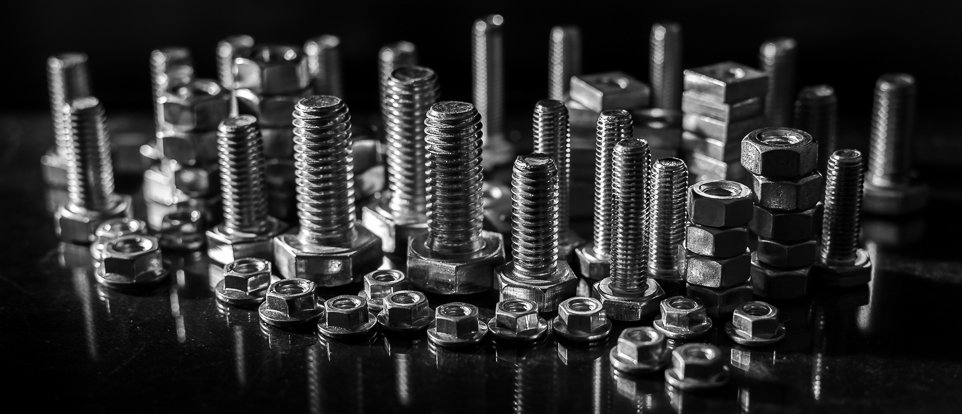

Selecting the right fastening system is an important part of automotive manufacturing and assembly. Fasteners must provide reliable connections, withstand demanding operating conditions, and support the overall safety and performance of vehicles.
When evaluating Automotive Fastening Solutions, manufacturers need to consider multiple factors, including material properties, design requirements, production efficiency, and long-term reliability. A careful evaluation process helps ensure that fastening systems meet the needs of modern automotive applications.
Material Quality and Performance
The material used in automotive fasteners directly affects their strength, durability, and resistance to environmental conditions. Different vehicle applications require materials with specific performance characteristics.
Important material considerations include:
- Mechanical strength
- Corrosion resistance
- Temperature tolerance
- Compatibility with connected components
Choosing suitable materials helps ensure that fasteners maintain reliable performance throughout the vehicle’s service life.
Load Capacity and Mechanical Requirements
Automotive components experience different levels of stress, vibration, and movement. Fastening solutions must be capable of handling the specific loads they encounter during vehicle operation.
Manufacturers should evaluate factors such as:
- Tensile strength
- Shear resistance
- Fatigue performance
- Vibration resistance
Proper assessment of mechanical requirements helps prevent connection failures and improves vehicle reliability.
Precision and Dimensional Accuracy
Accurate dimensions are essential for effective fastening performance. Even minor variations in size, threading, or design can affect assembly quality and component alignment.
High-precision manufacturing ensures:
- Proper fitting between components
- Consistent assembly results
- Reduced installation issues
- Improved overall product quality
Environmental Resistance
Vehicles operate in environments where fasteners may be exposed to moisture, chemicals, temperature changes, and road conditions. Fastening solutions should be designed to withstand these challenges.
Protective coatings and corrosion-resistant materials can improve durability and help maintain connection strength over time.
Manufacturing Standards and Quality Control
Reliable automotive fastening solutions require strict quality management throughout production. Manufacturers should evaluate suppliers based on their inspection methods and production controls.
Important quality factors include:
- Raw material testing
- Production monitoring
- Dimensional inspections
- Final performance checks
Strong quality control helps maintain consistency across large-scale automotive production.
Compatibility with Modern Vehicle Designs
Automotive technology is changing rapidly with the growth of electric vehicles, lightweight structures, and advanced electronic systems. Fastening solutions must adapt to new engineering requirements.
Manufacturers should consider whether fastening systems are suitable for:
- Lightweight materials
- Battery-related components
- Advanced vehicle electronics
- Automated assembly processes
Cost Efficiency and Long-Term Value
While cost is an important consideration, selecting fastening solutions based only on price can create quality and reliability issues. Manufacturers should evaluate the overall value, including durability, maintenance requirements, and production efficiency.
A balanced approach helps companies achieve dependable performance while managing manufacturing costs.
Conclusion
Evaluating automotive fastening solutions requires careful consideration of materials, mechanical performance, precision, environmental resistance, quality standards, and future compatibility. By selecting the right fastening systems, automotive manufacturers can improve vehicle safety, efficiency, and long-term reliability.