
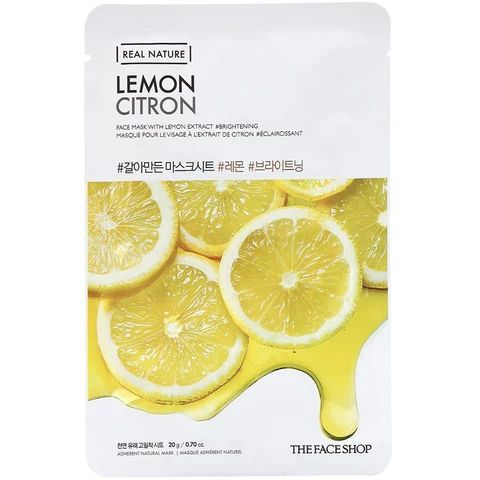

The modern beauty industry is changing rapidly as consumers become more selective about skincare ingredients, product formats, sustainability, and overall value. These shifts are influencing how facial masks are formulated, produced, packaged, and brought to market.
For brands entering this competitive category, working with an adaptable Face Mask Manufacturer can help them respond to changing consumer expectations. Manufacturers are increasingly expected to provide more than basic production services, with formulation expertise, flexible customization, quality management, and efficient production becoming important parts of the manufacturing process.
Growing Demand for Targeted Skincare
Consumers are increasingly interested in products designed around specific skincare concerns rather than general-purpose treatments. This has encouraged manufacturers to develop masks with different functional positioning, textures, and ingredient combinations.
Hydration, brightening, soothing, oil control, and skin-conditioning are among the areas commonly addressed by facial mask formulations. Targeted products allow brands to create more focused skincare ranges for different consumer preferences.
Expansion of Sheet Mask Formats
Sheet masks remain an important product format because they are convenient, easy to use, and available in a wide range of formulations. Manufacturers continue to work with different sheet materials, essence formulations, and facial designs.
Innovation is also extending to the construction of the mask itself. Changes in material thickness, fit, absorbency, and biodegradability can affect both the consumer experience and production requirements.
Interest in Sustainable Manufacturing
Environmental considerations are becoming increasingly relevant to beauty brands and consumers. This trend is encouraging manufacturers to examine packaging materials, production efficiency, ingredient sourcing, and waste reduction.
Sustainable options may include alternative sheet materials, recyclable packaging, reduced packaging components, and more efficient manufacturing processes. However, sustainability choices must also consider product stability, hygiene, performance, and practical manufacturing requirements.
Greater Focus on Ingredient Transparency
Consumers are paying closer attention to product labels and ingredient lists. As a result, brands are increasingly interested in formulations that clearly communicate their intended ingredients and benefits.
Manufacturers need strong ingredient management and documentation systems to support accurate labeling and consistent formulation. Clear communication about cosmetic ingredients can also help brands establish greater trust with their target customers.
Demand for Customized Products
Private label and custom manufacturing continue to provide opportunities for brands seeking distinctive skincare products. Instead of relying exclusively on standardized products, businesses may request adjustments to formulas, fragrances, textures, packaging, or product formats.
Customization can range from minor modifications to completely new product development. The appropriate approach depends on a brand’s objectives, budget, target audience, and expected production volume.
More Flexible Production Requirements
Beauty brands increasingly need to respond quickly to changing market demand. This has increased the importance of manufacturing flexibility, particularly for businesses testing new concepts or expanding their product portfolios.
Manufacturers may support this flexibility through different production scales, modular packaging options, efficient production planning, and streamlined development processes. However, minimum order quantities and production capacity remain important considerations.
Technology in Manufacturing
Modern manufacturing facilities are increasingly using automation and improved production technologies to support consistency and efficiency. Automated filling, sealing, mixing, inspection, and packaging systems can reduce production variation while supporting higher output.
Technology can also improve production traceability and quality monitoring. These capabilities are particularly valuable when manufacturers are producing large quantities for multiple markets.
Stronger Emphasis on Quality Control
As beauty products become more sophisticated, quality control remains a central manufacturing priority. Manufacturers need processes for monitoring raw materials, production conditions, finished products, and packaging.
Testing may include checks for appearance, texture, pH, viscosity, microbiological quality, stability, and packaging integrity. Consistent quality management helps ensure that products meet their established specifications from batch to batch.
Multifunctional Beauty Products
Another notable trend is the development of multifunctional skincare products. Consumers may prefer products that combine several desirable characteristics in a single application.
Facial masks may therefore be formulated to provide combinations such as hydration and soothing or conditioning and brightening. Manufacturers must carefully balance these objectives to ensure that the resulting formula remains stable, effective, and pleasant to use.
The Role of Nox Bellcow Cosmetics
Nox Bellcow Cosmetics is part of a broader beauty manufacturing environment shaped by evolving consumer expectations and increasing product diversity. Companies operating in this sector need to balance innovation with consistent manufacturing standards.
For brands, this means evaluating potential manufacturing partners based not only on price but also on formulation capabilities, quality systems, customization options, production technology, and regulatory knowledge.
What These Trends Mean for Beauty Brands
The changing face mask market presents both opportunities and challenges. Brands that understand consumer preferences can develop products that are more relevant to their target audiences, while manufacturers need to maintain the technical capabilities required to support these evolving demands.
Before launching a new facial mask, businesses should consider the intended market, formulation requirements, packaging, production quantity, testing needs, and sustainability objectives. A clear product strategy can make communication with manufacturers more efficient and reduce unnecessary development costs.
Conclusion
Face mask manufacturing is evolving alongside the wider beauty industry. Targeted formulations, sheet mask innovation, sustainable materials, ingredient transparency, customization, automation, and stronger quality control are shaping modern production practices.
As consumer expectations continue to change, manufacturers that combine technical expertise with production flexibility will be better positioned to support brands in developing consistent and market-relevant facial mask products.