
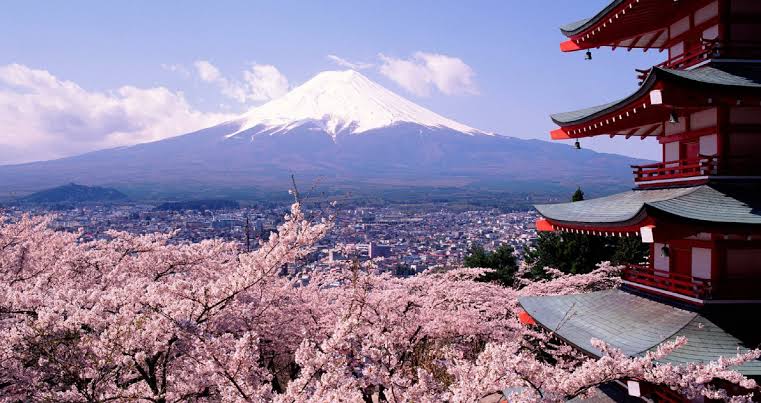

Japan’s traditions, artistic heritage, and everyday lifestyle create a fascinating cultural experience for travelers. The country combines historic customs with contemporary living, allowing visitors to discover traditional crafts, architecture, clothing, food, artistic practices, and modern urban culture. Understanding these elements can make sightseeing more meaningful and help travelers appreciate the country beyond its famous landmarks.
Visitors planning a ทัวร์ญี่ปุ่น can explore Japanese traditions and lifestyle through cultural activities, historic neighborhoods, museums, local markets, and everyday experiences. From traditional tea ceremonies to contemporary design and food culture, Japan offers many opportunities to learn and participate.
Traditional Japanese Hospitality
Hospitality is an important part of many Japanese experiences. Visitors may encounter thoughtful service, careful preparation, attention to detail, and respect for guests in hotels, restaurants, cultural venues, and traditional accommodation.
Traditional inns, known as ryokan, often provide experiences that differ from modern hotels. Guests may enjoy Japanese-style rooms, traditional meals, communal facilities, and a quiet atmosphere. Understanding basic etiquette can help visitors feel more comfortable and respectful during their stay.
Tea Culture and Traditional Ceremonies
Japanese tea culture offers opportunities to explore hospitality, ritual, and the appreciation of carefully prepared tea. Tea ceremonies often involve specific procedures, utensils, and movements that reflect cultural traditions.
Visitors may participate in guided experiences that explain the preparation process and the significance of the ceremony. These activities provide insight into the importance of patience, attention, and presentation within Japanese cultural practices.
Japanese Art and Craftsmanship
Japan has a rich artistic heritage that includes ceramics, textiles, calligraphy, woodwork, lacquerware, paper crafts, and other forms of creative expression. Traditional craftsmanship often reflects regional materials, techniques, and cultural influences.
Travelers can explore craft museums, galleries, workshops, and specialist shops. Some locations offer hands-on activities where visitors can create their own items while learning about the techniques involved.
Architecture and Traditional Design
Japanese architecture includes historic temples, shrines, traditional homes, castles, gardens, and modern buildings. Traditional structures often feature wood, sliding doors, carefully arranged spaces, and connections between indoor environments and nature.
Visitors can explore preserved districts and historic buildings to appreciate architectural details. Modern cities also showcase contemporary design, allowing travelers to see how traditional influences continue to inspire new architectural styles.
Clothing and Cultural Experiences
Traditional Japanese clothing, including kimono, reflects cultural history, seasonal styles, and regional influences. Travelers may participate in clothing experiences that provide opportunities to wear traditional garments and explore historic neighborhoods.
These activities often include dressing assistance and optional photography. Visitors should follow guidance regarding clothing care, movement, and appropriate behavior while wearing traditional garments.
Japanese Food and Everyday Lifestyle
Food is a major part of Japanese lifestyle and culture. Everyday meals may include rice, soup, vegetables, fish, noodles, and seasonal ingredients. Regional cuisine also reflects local resources and traditions.
Travelers can explore markets, restaurants, food stalls, and cooking workshops. Learning about food preparation and dining customs can help visitors understand how cuisine is connected to everyday life.
Seasonal Traditions
Japan’s seasonal traditions influence festivals, food, decorations, and outdoor activities. Spring is associated with cherry blossoms, summer with festivals, autumn with foliage and harvest products, and winter with seasonal celebrations and snow experiences.
Visitors can explore seasonal customs through local events and cultural attractions. Planning travel around a seasonal experience can provide additional opportunities for cultural discovery.
Contemporary Japanese Lifestyle
Modern Japanese life includes fashion, technology, entertainment, design, shopping, and urban culture. Visitors can explore contemporary districts, museums, cafes, entertainment venues, and creative spaces.
Observing everyday city life can also be interesting. Neighborhood shops, public transportation, dining areas, and local parks provide opportunities to experience how people use urban spaces.
Cultural Etiquette and Respect
Travelers should learn basic etiquette when visiting Japan. Being considerate in public spaces, following instructions, keeping noise levels appropriate, respecting religious sites, and observing photography rules can help create positive experiences.
Simple greetings and polite behavior are appreciated. Visitors should also respect local privacy and avoid disturbing residents when exploring historic neighborhoods.
Conclusion
Japanese traditions, art, and lifestyle provide a rich cultural dimension to travel. Tea ceremonies, crafts, architecture, traditional clothing, food, seasonal celebrations, and contemporary city experiences offer opportunities to understand the country in greater depth. Exploring these elements allows visitors to appreciate Japan’s cultural heritage while discovering the distinctive character of modern Japanese life.