
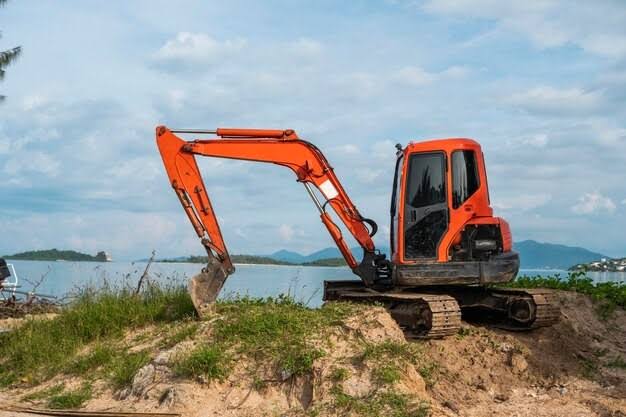

Groundwork establishes the foundation for many construction activities, from building extensions and installing drainage to creating access routes and preparing landscaped areas. The machinery used during this stage can influence the pace of a project, the comfort of workers, and the experience of people living or working nearby. As contractors face changing expectations regarding emissions, noise, and efficiency, alternative equipment technologies are attracting increased attention.
The interest in electric diggers reflects a broader movement toward machinery that can suit modern working conditions without overlooking the practical demands of excavation. Battery-powered equipment is not automatically appropriate for every project, but its characteristics may offer advantages in locations where traditional machines encounter operational restrictions or where businesses want to diversify their fleets.
Groundwork Requirements Are Changing
Modern construction sites are often more complex than large, open areas of undeveloped land. Contractors may carry out excavation within established neighbourhoods, behind existing buildings, along pedestrian routes, or beside occupied commercial premises. These conditions demand careful coordination, particularly when machinery must operate close to other people or businesses.
Groundwork teams may need to complete multiple activities within a limited period. Removing old surfaces, digging trenches, preparing foundations, and relocating soil require a combination of machinery, skilled labour, and logistical planning. Equipment that can operate within the available space and schedule is therefore valuable.
Electric machines can be considered for jobs where reduced exhaust emissions and lower engine noise may help address site constraints. Their usefulness depends on machine dimensions, digging performance, access conditions, and the availability of charging facilities.
Why Contractors Are Exploring Electric Power
The appeal of electric equipment involves several practical considerations rather than one isolated benefit. One is the absence of diesel exhaust emissions directly from the machine during operation. This can be relevant when excavation occurs near buildings, enclosed areas, or locations where air quality is an important concern.
Another consideration is sound. Electric powertrains generally eliminate the continuous noise associated with a conventional diesel engine, although other operating sounds remain. Reduced engine noise can make communication easier and may support work in areas with restrictions on construction activity.
Maintenance is another reason some businesses are investigating electric alternatives. Electric machines do not require routine diesel engine oil changes or fuel-filter replacement, although hydraulic systems, tracks, electrical components, cooling systems, and batteries still require inspection and servicing.
Matching Machinery to Ground Conditions
Popularity alone should not determine equipment selection. Groundwork may involve soft soil, compacted clay, gravel, uneven terrain, buried services, or materials that demand considerable digging force. Contractors should compare the machine’s specifications with the conditions expected at the site.
Digging depth, reach, bucket capacity, lifting capability, machine weight, and stability are important evaluation points. A compact excavator may be appropriate for narrow trenches or landscaping work, while a larger project could require equipment with greater reach or productivity.
Before selecting a machine, operators should inspect the site and identify access limitations. Narrow gates, low overhead structures, fragile paving, and nearby underground services can all affect the choice of equipment.
Charging and Work Scheduling
Battery-powered equipment introduces energy planning into the groundwork process. Contractors need to understand how long a machine can operate under realistic conditions and how quickly it can recharge using the available power supply.
Heavy digging, continuous hydraulic operation, travel, attachment use, and environmental conditions may influence energy consumption. Published battery figures should therefore be interpreted in the context of actual workload rather than treated as guaranteed operating times for every task.
Work schedules can be organised around charging periods where practical. Machines might operate during planned excavation windows and recharge between tasks, overnight, or during breaks. The feasibility of this approach depends on the site, charger compatibility, electrical access, and the duration of the work.
The Business Case Beyond Initial Purchase
Contractors evaluating electric machinery should look at its contribution to the overall business. Potential advantages may include suitability for specific contracts, reduced exposure to fuel price fluctuations, and opportunities to undertake projects with environmental or noise-related requirements.
However, the investment should be examined carefully. Purchase price, charging infrastructure, battery warranty, maintenance arrangements, utilisation rates, and equipment availability all influence financial performance. Businesses should compare these factors against their existing machines using a realistic ownership period.
A Practical Direction for Modern Groundwork
Electric excavation equipment is becoming part of the wider conversation about construction efficiency. Its growing popularity reflects changing project environments, technological development, and contractors’ efforts to find machinery suited to varied operating conditions.
The most effective approach is to assess each application individually. When machine capability, site access, charging arrangements, and project schedules align, electric equipment may offer a useful addition to modern groundwork operations. Thoughtful selection allows contractors to explore new technology while keeping reliability, productivity, and safety at the centre of their decisions.