
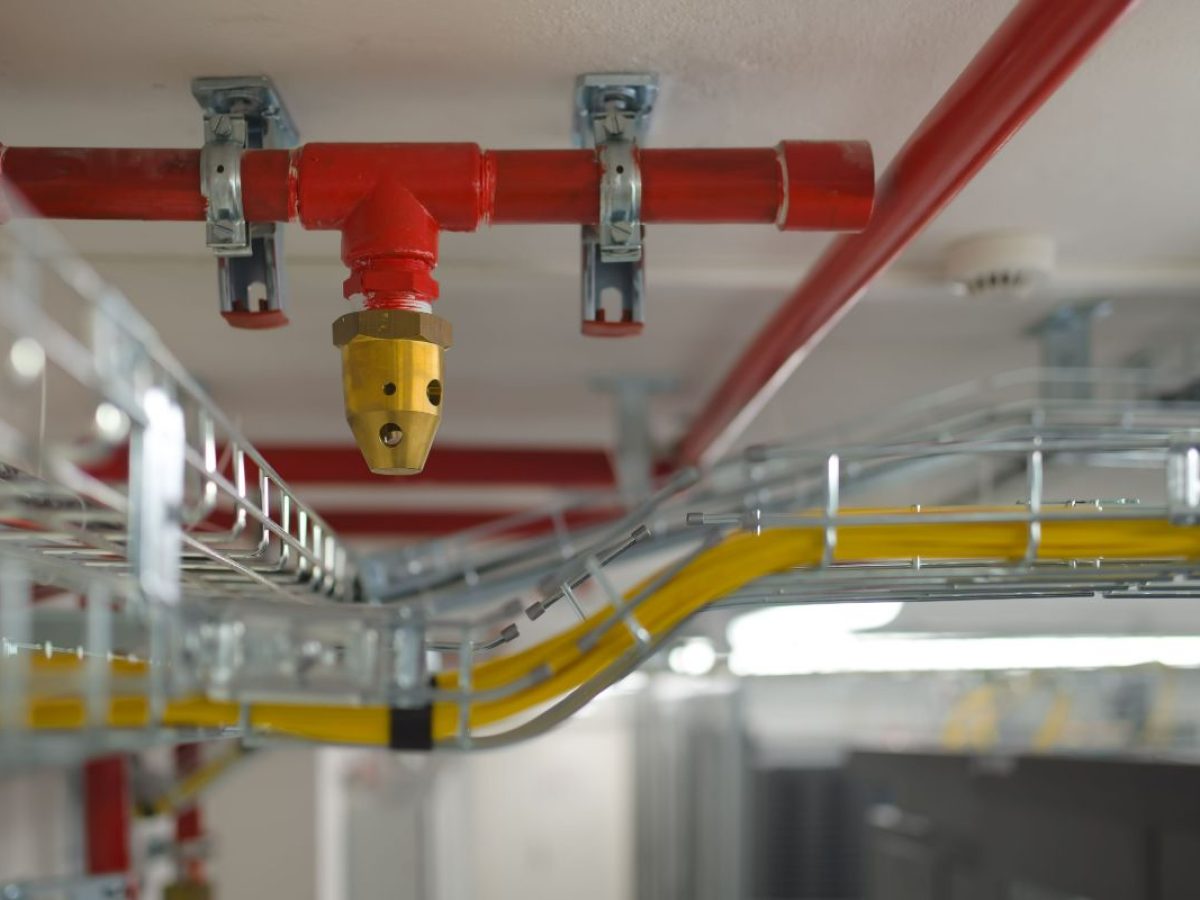

Fire sprinkler systems are a vital safety feature in residential, commercial, and industrial buildings. The effectiveness of these systems relies heavily on the quality of the piping network, which must deliver water efficiently under high pressure while maintaining structural integrity over time. Among the various materials used, stainless steel has emerged as a preferred choice due to its exceptional durability and corrosion resistance. These qualities ensure that sprinkler systems remain reliable and operational for decades.
A reliable option for fire protection installations is the Stainless Steel Sprinkler Pipe. Designed to withstand harsh conditions, these pipes offer a combination of strength, corrosion resistance, and longevity. Stainless steel sprinkler pipes are engineered to perform under the most demanding environments, including wet systems where water remains in the pipes for long periods, coastal locations with high humidity and salt exposure, and industrial sites with chemical or particulate exposure. Understanding their durability and resistance to corrosion is key for engineers and building managers when designing or upgrading fire protection systems.
Corrosion Resistance of Stainless Steel Sprinkler Pipes
One of the most significant advantages of stainless steel pipes is their resistance to corrosion. Unlike conventional black steel or galvanized pipes, stainless steel forms a protective oxide layer on its surface when exposed to oxygen. This passive layer prevents the metal from rusting and shields it from the damaging effects of water, humidity, and environmental contaminants.
This corrosion resistance is particularly critical in wet sprinkler systems, where water constantly remains in the pipes. Over time, other types of metal piping may rust and develop sediment that can block water flow, reducing system efficiency and reliability. Stainless steel sprinkler pipes maintain clear passages, ensuring consistent water delivery to all areas of the system. This property not only enhances the lifespan of the piping but also reduces maintenance requirements, saving both time and costs for building owners.
Durability and Mechanical Strength
Stainless steel is known for its superior mechanical strength, which contributes significantly to the durability of sprinkler pipes. These pipes can withstand high water pressures, mechanical impacts, and environmental stresses without deforming or failing. Their high tensile strength ensures that they maintain structural integrity even in emergency situations, where water pressure surges or vibrations occur.
Additionally, stainless steel’s toughness allows it to resist cracking or breaking under external stress. This durability makes it suitable for installations in areas prone to physical impacts, such as industrial facilities, warehouses, or high-traffic commercial buildings. The combination of strength and corrosion resistance ensures that stainless steel sprinkler pipes remain functional and reliable over the long term, providing consistent fire protection.
Longevity and Low Maintenance
The corrosion resistance and mechanical strength of stainless steel translate into a long service life. Properly installed stainless steel sprinkler pipes can function effectively for several decades without requiring significant repairs or replacements. This longevity minimizes maintenance costs and reduces disruptions to building operations.
Unlike other metals that may require regular inspections, protective coatings, or corrosion inhibitors, stainless steel maintains its protective properties naturally. Routine inspections should still be performed to ensure system integrity, but the overall maintenance demands are considerably lower compared to other materials. This makes stainless steel sprinkler pipes a cost-effective choice in the long term, despite a higher initial investment.
Applications in Fire Sprinkler Systems
Stainless steel sprinkler pipes are widely used across various building types due to their reliability and performance:
- Commercial Buildings: Office complexes, shopping centers, and hospitals benefit from the durability and corrosion resistance of stainless steel, ensuring fire safety in high-occupancy areas.
- Industrial Facilities: Factories, chemical plants, and warehouses require piping that can withstand harsh environments, including humidity, chemical exposure, and mechanical stress. Stainless steel meets these demands effectively.
- Residential Properties: High-end residential buildings often use stainless steel pipes for fire sprinkler systems to combine safety with a low-maintenance solution.
- Coastal and Marine Environments: Stainless steel’s resistance to saltwater corrosion makes it ideal for buildings near the sea, where traditional piping materials may degrade rapidly.
Additional Benefits
Besides durability and corrosion resistance, stainless steel sprinkler pipes also offer other advantages. Their smooth interior surface prevents sediment buildup, ensuring efficient water flow. They are compatible with standard sprinkler system fittings, making installation easier. Furthermore, stainless steel is fire-resistant, retaining its structural integrity even under high temperatures, which is essential during fire emergencies.
Conclusion
The durability and corrosion resistance of stainless steel sprinkler pipes make them an excellent choice for fire protection systems. Their ability to withstand high pressures, resist rust and chemical damage, and maintain structural integrity over decades ensures reliable system performance. Stainless steel sprinkler pipes reduce maintenance requirements, offer long-term cost savings, and provide peace of mind in both residential and commercial installations.
For building projects that require dependable fire protection, the Stainless Steel Sprinkler Pipe provides a robust and long-lasting solution. By choosing stainless steel, engineers and property managers can ensure their fire sprinkler systems remain efficient, safe, and effective for years to come.