
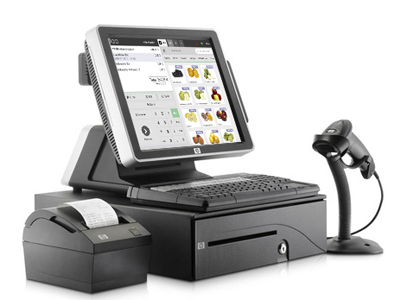

Selecting POS equipment is a long-term business decision. Terminals, scanners, printers, cash drawers, and other components can become central to daily operations, so businesses need hardware that matches their workload and technical requirements.
A professional POS Hardware Manufacturer should offer more than individual devices. Businesses should consider product quality, compatibility, manufacturing standards, support, scalability, and the manufacturer’s ability to provide consistent equipment over the expected product lifecycle.
Assess Product Quality
POS hardware is commonly used for extended periods and may handle a high number of transactions. Quality construction can therefore have a direct effect on reliability and equipment lifespan.
Review the materials, component specifications, durability features, and expected operating conditions of the products. Hardware should be appropriate for the environment in which it will be installed.
Check Hardware Compatibility
POS equipment needs to work with the software and peripherals already used by the business. Compatibility problems can lead to installation delays, limited functionality, or unexpected technical issues.
Before purchasing, verify support for relevant operating systems, POS applications, connectivity standards, printers, scanners, payment devices, and other peripherals.
Review the Product Range
A professional manufacturer should have products that address different business requirements. While a large catalog is not automatically better, having suitable options can make it easier to configure an appropriate POS environment.
Depending on the business, relevant equipment may include:
- Touchscreen POS terminals
- Barcode scanners
- Receipt and label printers
- Cash drawers
- Customer displays
- Mounting solutions
- POS accessories
The focus should remain on whether the available products fit the intended application.
Consider Manufacturing Consistency
Businesses purchasing multiple POS systems need consistent hardware specifications. This is particularly important for companies with several checkout stations or locations.
Consistent production can simplify deployment, employee training, maintenance, and replacement. Ask how product quality is monitored and whether the manufacturer maintains stable specifications across production runs.
Examine Testing and Quality Control
Testing is an important part of producing dependable commercial hardware. Manufacturers may evaluate equipment for performance, connectivity, durability, and other operating conditions before distribution.
When comparing manufacturers, look for clear information about testing procedures and quality-control practices. This can provide useful insight into how seriously product reliability is treated.
Evaluate Technical Support
Hardware may occasionally require configuration assistance, troubleshooting, or replacement. Accessible technical support can help businesses resolve problems more efficiently.
Consider the available support channels, response procedures, documentation, and warranty assistance. Businesses with critical or high-volume POS operations should pay particular attention to how technical issues are handled.
Review Warranty Terms
A warranty can provide protection against eligible manufacturing defects and certain equipment failures. However, coverage differs between manufacturers and product lines.
Before purchasing, check the warranty period, covered components, exclusions, claim process, and repair or replacement options. Understanding these terms can help prevent surprises later.
Consider Customization Options
Some businesses have requirements that standard POS hardware cannot easily address. Specialized mounting, enclosure designs, port configurations, or other modifications may be necessary in certain environments.
If customization is important, ask whether the manufacturer can modify existing platforms or develop tailored configurations. Also consider the potential impact on cost, minimum order quantities, and product availability.
Look at Scalability
A business may start with a small POS deployment and expand over time. Choosing hardware that can be added to or replicated across additional locations can make future growth easier.
Ask whether the manufacturer can supply compatible equipment as the business expands. Long-term availability is especially important for organizations that expect to maintain the same POS infrastructure for several years.
Consider Replacement Parts
Even durable equipment can eventually require replacement components. Availability of compatible power supplies, cables, stands, and other parts can influence the practical lifespan of a POS system.
Ask about replacement-part availability and product lifecycle policies. This is particularly useful when equipment will be deployed across multiple locations.
Compare Total Value
Price is an important factor, but it should not be the only consideration. Low-cost equipment may become more expensive if it requires frequent replacement, offers limited support, or has poor compatibility.
Evaluate the total cost of ownership, including purchase price, maintenance, warranty protection, replacement parts, and expected lifespan. This provides a more meaningful basis for comparing manufacturers.
Choose With Long-Term Needs in Mind
The right POS hardware manufacturer should be able to support the business beyond the initial purchase. Product quality, compatibility, technical support, warranty coverage, customization, and long-term availability all contribute to the value of a hardware partnership.
By evaluating these factors carefully, businesses can select POS equipment that is reliable, practical, and suited to their current operations while leaving room for future growth.