
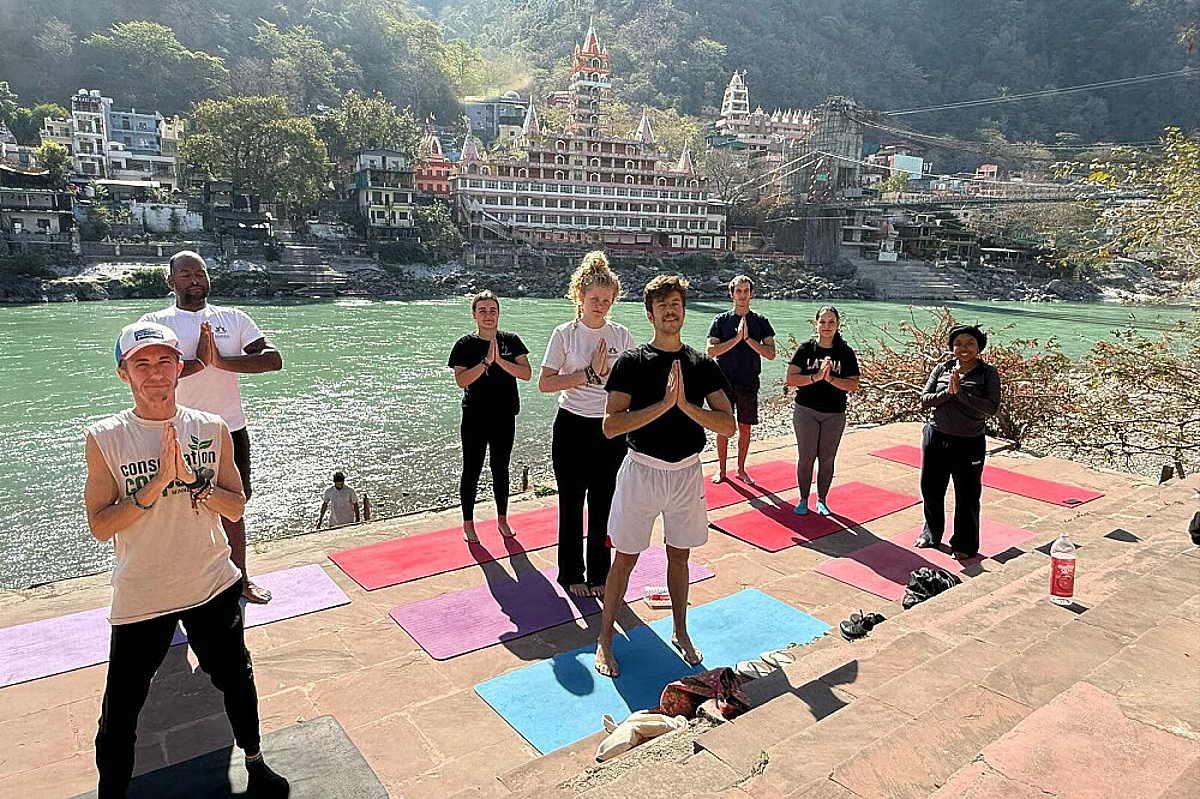

Rishikesh attracts people who want to explore yoga beyond physical exercise and discover practices that support a more mindful lifestyle. Its long association with yoga, meditation, and spiritual learning makes it an appealing destination for students at different stages of their journey. Some visitors arrive to develop their teaching skills, while others want to explore relaxation techniques and understand how these practices can complement everyday wellbeing.
Choosing a programme that matches your interests is an important first step. By learning about course content, teaching methods, and the experience offered by a school, you can make a more informed decision and prepare for a rewarding stay.
Take Your Yoga Practice to a Deeper Level
Yoga education can continue well beyond the first stage of teacher training. As students gain experience, they may want to explore yoga philosophy in greater depth, improve their understanding of anatomy, refine their teaching methods, and develop a more consistent personal practice.
A 500 hour yoga teacher training course in rishikesh may suit practitioners who want a more extensive education in yoga. Depending on the school, this level of training may combine foundational and advanced study or build on previous qualifications. It is important to check the admission requirements, course structure, and certification details before enrolling.
Advanced study is not simply about mastering more challenging postures. It can involve learning how to communicate clearly, recognise different student needs, and approach yoga with patience and responsibility. Students may also spend time studying breathing techniques, meditation, teaching practice, and the philosophical ideas that shape traditional yoga.
Before selecting a programme, consider what you hope to achieve. You might want to become a more confident teacher, develop your understanding of yoga traditions, or strengthen your own practice. Knowing your priorities will help you compare available courses and choose one that supports your goals.
Discover How Sound Can Support Relaxation
Sound has a long history in contemplative and cultural practices. Chanting, bells, singing bowls, and other resonant instruments are sometimes used to create an atmosphere that encourages listening, stillness, and reflection.
A sound healing course rishikesh may introduce participants to sound based relaxation practices, the use of selected instruments, and ways of creating a calm environment for guided sessions. Course content varies between providers, so it is worth checking whether the programme focuses on personal exploration, practical skills, or preparation to facilitate sessions for others.
For beginners, learning may start with listening carefully to different sounds and noticing how they respond. More structured programmes may introduce instrument handling, session planning, and the importance of maintaining a comfortable environment for participants.
It is important to approach these practices with realistic expectations. People respond to sound in different ways, and relaxation experiences are personal. Sound based sessions should not be treated as guaranteed medical treatments or as substitutes for professional healthcare.
Understand the Connection Between Yoga and Sound
Yoga and sound based relaxation can complement one another because both can encourage attention to the present moment. Yoga often combines movement, breathing, and meditation, while sound sessions may focus more on listening and resting.
Some practitioners enjoy beginning with gentle yoga before spending time in a guided sound session. Others prefer to keep the activities separate and explore each one at their own pace. There is no single routine that suits everyone, so personal comfort and individual goals should guide the decision.
When researching a 500 hour yoga teacher training course in rishikesh, review the curriculum to see how much attention is given to meditation, breathing, philosophy, and teaching skills. Do not assume that sound based learning is included in every yoga programme. If it interests you, ask the school directly about any relevant classes or additional options.
Combining different practices can broaden your understanding, but it is helpful to learn the purpose and method of each activity rather than treating them as interchangeable. A thoughtful approach allows you to develop a routine that feels balanced and sustainable.
What to Look for in a Sound Based Learning Programme
The quality of a learning experience depends on more than its location. Teaching approach, instructor experience, course length, and opportunities for practical learning all deserve attention.
If you are considering a sound healing course rishikesh, ask what the course covers and whether participants need previous experience. Find out which instruments are introduced, how sessions are structured, and whether students have opportunities to practise under guidance.
You may also want to ask about group size, course materials, fees, and any certificate provided. A certificate alone does not establish professional competence, so consider the actual skills taught and the experience of the instructor.
Comfort and accessibility matter as well. Some people are sensitive to particular frequencies or loud sounds. Discuss any concerns before joining a session, and make sure you can take a break or request an adjustment if needed.
Make Your Time in Rishikesh More Meaningful
A visit focused on learning can be rewarding when you leave enough space for rest and reflection. Intensive training may involve several hours of practice or study each day, so maintaining a regular sleep schedule and eating balanced meals can help you manage the workload.
Outside your classes, you can explore local markets, enjoy regional food, or spend time in peaceful public surroundings. These simple activities can offer a change of pace without taking too much attention away from your main purpose.
Try not to compare your progress with that of other students. People arrive with different backgrounds, abilities, and expectations. Asking questions, practising consistently, and remaining open to feedback are more useful than expecting quick results.
It is also wise to plan the practical details before travelling. Confirm your course dates, accommodation, fees, arrival instructions, and any requirements for enrolment. Knowing these arrangements in advance allows you to focus more fully on the learning experience.
Choose a Programme That Fits Your Goals
Before making a final decision, review the available information and contact the school with any questions that remain. Look for clear explanations of the curriculum, instructor qualifications, teaching methods, and costs. Make sure the programme matches your experience and the kind of learning you want to pursue.
For current information about Himalayan Yoga Ashram, visit its official website. Contact the organisation directly to confirm the availability of advanced yoga training, sound related programmes, course schedules, and entry requirements, as offerings may change.
Whether you are exploring a 500 hour yoga teacher training course in rishikesh or looking into a sound healing course rishikesh, careful research can help you choose with confidence. Give yourself time to understand each option and consider how it fits your interests.
A meaningful learning experience is not only about completing a programme. It is also about developing greater awareness, gaining practical knowledge, and discovering habits that you can continue to use in everyday life. With a clear purpose and a willingness to learn, your time in Rishikesh can become a valuable step in your personal journey.