
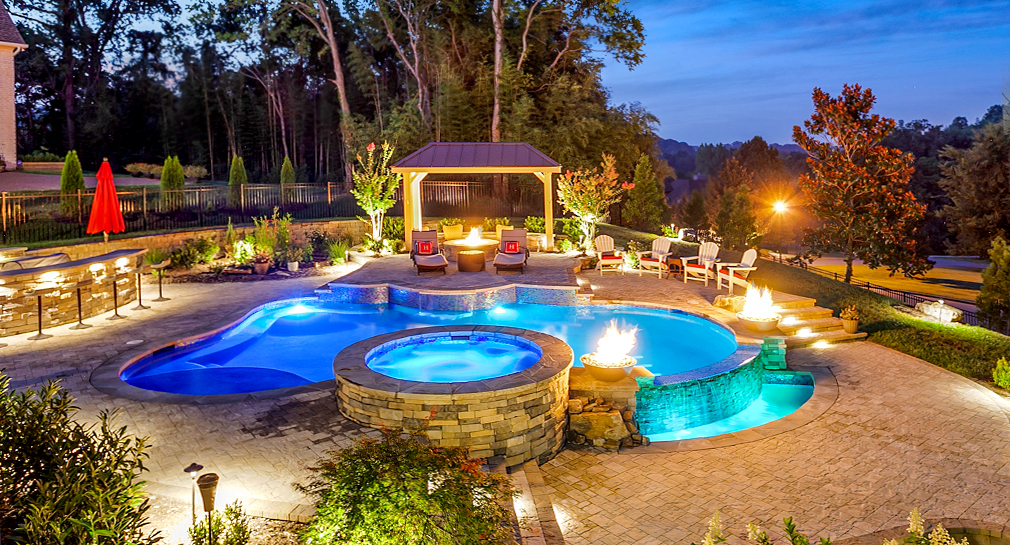

A backyard can become much more than an outdoor area when it is designed with comfort, relaxation, and recreation in mind. Adding a swimming pool creates an opportunity to transform an ordinary property into a private retreat where homeowners can unwind, spend time with family, and entertain guests. However, creating an inviting outdoor environment requires more than simply installing a pool. Every design element should work together to establish a balanced and welcoming atmosphere.
A thoughtfully planned Custom Swimming Pool provides the flexibility to create an outdoor space that reflects personal preferences and complements the property’s existing features. From selecting the pool’s shape and materials to incorporating landscaping, lighting, and comfortable seating, each decision contributes to the overall experience. With careful planning, homeowners can develop a backyard retreat that combines visual appeal with everyday functionality.
Start With a Clear Backyard Design Vision
Before beginning a swimming pool project, consider how you want to use your outdoor space. Some homeowners prefer a peaceful environment for relaxation, while others want an active recreational area for family gatherings and social events.
Identifying these priorities helps determine the pool’s layout, size, and additional features. It also makes it easier to decide how much space should be reserved for landscaping, seating, dining, and other outdoor activities.
A clear design vision provides direction throughout the planning process and helps prevent unnecessary additions that may affect the overall layout.
Choose a Pool Design That Reflects Your Style
The swimming pool should complement the architectural character of your home and the surrounding landscape. Selecting an appropriate shape and finish can create a more cohesive outdoor environment.
Modern and Minimalist Designs
Modern pool designs often feature geometric shapes, clean edges, and neutral finishes. Rectangular pools are particularly suitable for contemporary properties because their simple lines create a sophisticated appearance.
Minimalist landscaping, subtle lighting, and streamlined decking can further enhance this style.
Natural and Relaxing Designs
Homeowners who prefer a nature-inspired retreat may choose curved pool shapes, stone finishes, and lush landscaping. These elements create a softer atmosphere that blends with gardens and outdoor greenery.
Natural-looking materials and carefully selected plants can make the swimming area feel like an extension of the surrounding environment.
Compact Pool Designs
Smaller backyards can also accommodate attractive swimming pools when the available space is used efficiently. Compact rectangular pools, plunge pools, and carefully planned geometric layouts can provide recreational value without occupying the entire outdoor area.
The key is maintaining enough room for safe access, seating, and other essential features.
Create a Comfortable Poolside Environment
A backyard retreat should offer more than swimming space. The surrounding area plays an important role in making the environment comfortable and functional.
Consider incorporating seating arrangements, shaded spaces, and convenient pathways around the pool. Outdoor loungers provide a place to relax, while covered seating areas offer protection from direct sunlight.
For homeowners who enjoy entertaining, an outdoor dining area can create a natural gathering point. However, furniture placement should allow sufficient movement and keep walking surfaces clear.
Choosing weather-resistant materials for outdoor furniture can also improve durability and reduce maintenance requirements.
Incorporate Landscaping for a Natural Atmosphere
Landscaping helps connect the swimming pool with the rest of the backyard. Plants, decorative stones, pathways, and garden features can create a more inviting environment while improving privacy.
Select Suitable Plants
Choose plants that are appropriate for the local climate and require manageable maintenance. Avoid placing trees with aggressive root systems too close to the pool structure.
It is also helpful to select plants that produce minimal leaves, flowers, and other debris. This can reduce the amount of cleaning required to maintain the swimming area.
Add Privacy Features
Privacy is an important part of creating a relaxing outdoor retreat. Depending on the property’s layout, homeowners can use hedges, decorative screens, fencing, or strategically positioned plants to establish a more secluded environment.
These features should complement the pool design while maintaining adequate visibility and meeting applicable safety requirements.
Design Natural Transitions
Pathways, stone borders, and coordinated planting areas can create smooth transitions between the swimming pool, garden, and outdoor seating spaces.
A consistent selection of materials and colors helps the entire backyard feel connected rather than divided into unrelated sections.
Use Lighting to Enhance the Outdoor Experience
Lighting can transform a backyard swimming area, particularly during the evening. A combination of functional and decorative lighting helps create an attractive atmosphere while improving visibility.
Underwater LED lights can highlight the pool’s shape and create an appealing visual effect. Pathway lighting makes it easier to navigate around the outdoor area, while subtle landscape fixtures can emphasize trees, plants, and architectural features.
Consider using energy-efficient lighting systems with suitable weather protection. Proper placement is also important to prevent excessive glare and maintain a comfortable environment.
Add Features That Improve Relaxation and Recreation
Additional pool features can make the backyard more versatile and enjoyable. The most suitable options depend on the available space, intended use, and overall budget.
Some possibilities include:
- Waterfalls and fountains: Introduce movement and create a soothing outdoor atmosphere.
- Built-in seating: Provide comfortable places to relax within the swimming area.
- Tanning ledges: Offer shallow spaces for lounging and enjoying the water.
- Heating systems: Help maintain comfortable water temperatures during cooler periods.
- Water jets: Add recreational interest and may support certain exercise activities.
- Automated cleaning systems: Reduce the effort required for routine pool maintenance.
Selecting features during the initial design stage can make installation easier and help ensure that plumbing and electrical requirements are properly accommodated.
Focus on Safety and Accessibility
A relaxing backyard should also be a safe environment for everyone. Pool safety measures need to be considered before construction begins, especially in households with children or older family members.
Appropriate fencing, secure gates, approved pool covers, and suitable alarms may be required depending on local regulations. Non-slip decking can help reduce the risk of accidents around wet surfaces.
Accessibility should also influence the pool layout. Clearly defined steps, ladders, handrails, and convenient entry points can make the swimming area easier to use.
Consult qualified professionals to ensure that the design follows applicable construction and safety requirements.
Choose Durable and Practical Materials
The materials used throughout the pool area influence its appearance, durability, and maintenance needs. Pool interiors, coping, decking, and surrounding surfaces should be selected with both aesthetics and practicality in mind.
Natural stone can create an elegant appearance, while textured concrete and suitable pavers offer versatile design options. Whatever material is selected, it should provide appropriate slip resistance and withstand exposure to water, sunlight, and changing weather conditions.
For the pool interior, consider how different finishes affect water appearance, cleaning requirements, and long-term durability.
Coordinating these materials helps create a polished outdoor environment without sacrificing functionality.
Make Maintenance Part of the Design
A backyard retreat should remain enjoyable rather than becoming a source of constant maintenance. Planning for convenient pool operation can make a significant difference over time.
Efficient filtration equipment, automatic cleaners, and properly fitted pool covers can simplify routine care. It is also useful to position the equipment area where technicians can access it easily without disrupting the outdoor environment.
Homeowners should establish a regular schedule for water testing, surface cleaning, filter maintenance, and equipment inspections.
Considering these responsibilities during the design stage helps create a pool that is easier to manage throughout the year.
Establish a Realistic Budget
A successful backyard transformation requires careful financial planning. The total investment depends on pool dimensions, construction methods, selected materials, equipment, landscaping, and additional features.
It is important to include both installation expenses and long-term operating costs when evaluating design options.
Request detailed estimates from qualified contractors and clarify what each proposal includes. Maintaining a contingency budget can also help cover unexpected site conditions or necessary adjustments during construction.
Prioritizing essential features before optional upgrades makes it easier to manage expenses without compromising the overall design.
Conclusion
Creating a backyard retreat with a personalized swimming pool design involves combining aesthetics, comfort, safety, and practical planning. The right pool shape, complementary landscaping, comfortable seating, thoughtful lighting, and useful additional features can transform an outdoor area into a welcoming extension of the home.
By considering the property’s layout, personal preferences, maintenance requirements, and available budget, homeowners can make informed decisions throughout the design process. With professional guidance and attention to detail, a well-planned swimming pool can provide a beautiful setting for relaxation, recreation, and memorable outdoor experiences.