
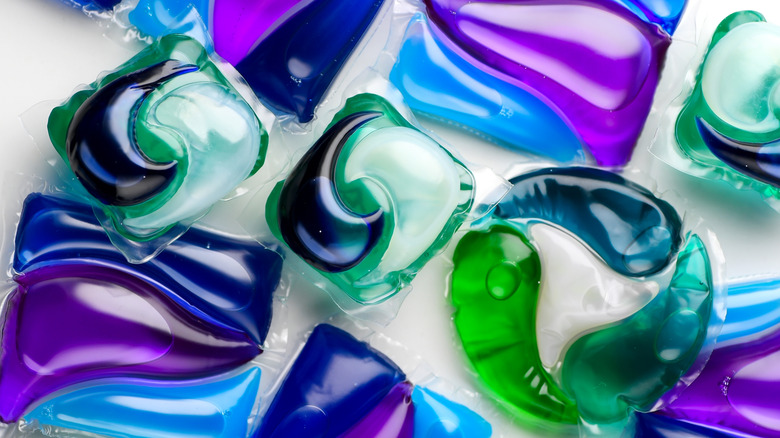

Regular maintenance is essential for keeping detergent pod production stable and reducing avoidable interruptions. Because pod manufacturing combines film handling, forming, filling, sealing, and cutting, several machine areas require routine attention.
A Laundry Pod Machine contains mechanical, electrical, and control components that work together throughout the production cycle. POLYVA provides water-soluble film packaging equipment where preventive maintenance can support reliable day-to-day operation.
Inspect the Film Feeding System
Film feeding components should be checked regularly for alignment, wear, and cleanliness. Rollers, guides, tension mechanisms, and related parts can influence how smoothly the film moves through the machine.
Uneven film movement may contribute to wrinkles, misalignment, or inconsistent pouch formation. Routine inspection can help identify these issues before they interrupt production.
Clean Forming Components
Forming areas can accumulate detergent residue, dust, or other contaminants during production. Buildup may affect cavity formation or interfere with smooth film movement.
Cleaning frequency should depend on the detergent formulation, production volume, and operating environment. Cleaning procedures should follow the equipment and product requirements.
Maintain Dosing Equipment
Filling systems need regular inspection because dosing accuracy directly affects finished pod consistency. Pumps, valves, nozzles, augers, or other dosing components may require cleaning, calibration, or inspection.
Operators should watch for changes in filling behavior, unusual flow, dripping, blockages, or variations in fill quantity.
Check Sealing Components
Sealing components are among the most important areas to maintain. Residue on sealing surfaces can interfere with proper film bonding and contribute to inconsistent package quality.
Maintenance teams should inspect sealing surfaces for contamination, wear, or physical damage. Operating parameters should also be checked if seal performance changes unexpectedly.
Inspect Cutting and Separation Parts
Cutting or separation components need to maintain accurate positioning to produce individual pods consistently. Wear or misalignment can affect pod dimensions and separation quality.
Regular inspection can help identify damaged or worn parts before they begin affecting a larger number of finished packages.
Check Sensors and Electrical Connections
Automated pod equipment relies on sensors to monitor film position, product presence, machine movement, and other operating conditions.
Sensors should be kept clean and correctly positioned. Electrical connections, cables, switches, and control components should also be inspected according to the appropriate maintenance schedule.
Lubricate Moving Components
Certain mechanical components may require periodic lubrication to maintain smooth movement and reduce wear. The correct lubricant and application interval depend on the specific machine design.
Over-lubrication should be avoided because excess lubricant can attract contaminants or reach areas where it is not appropriate.
Monitor Mechanical Wear
Components that experience repeated movement may gradually wear over time. Bearings, belts, chains, rollers, guides, seals, and other mechanical parts should be inspected for visible deterioration or abnormal operation.
Replacing a worn component during planned maintenance can be preferable to waiting for a failure during production.
Keep the Film Path Clean
The film path should remain free from dust, detergent residue, and other contaminants. Dirty rollers or guides can affect film movement and create unnecessary friction.
Cleaning should be performed using methods suitable for the machine components and film material.
Check Machine Alignment
Alignment should be verified after maintenance, component replacement, or extended operation. Small mechanical shifts can affect film positioning, forming, sealing, and cutting.
Operators should monitor finished pods for signs of misalignment, such as uneven edges or inconsistent dimensions.
Calibrate Dosing Systems
Dosing calibration should be performed at appropriate intervals and whenever there are significant changes to the product or production setup.
A calibration check can help confirm that the filling system continues to deliver the intended quantity. Records should be maintained so changes in performance can be identified over time.
Monitor Environmental Conditions
Water-soluble film can be sensitive to humidity and temperature. Maintenance planning should therefore include awareness of the production environment as well as the machine itself.
If environmental conditions change significantly, operators should check whether film handling, forming, or sealing performance has also changed.
Follow a Preventive Maintenance Schedule
A structured maintenance program is easier to manage than relying only on breakdown repairs. Tasks can be divided according to frequency.
Daily Checks
Daily inspections may include:
- Cleaning product-contact areas
- Checking film alignment
- Inspecting sealing surfaces
- Looking for leaks or residue
- Reviewing machine alarms
- Checking for unusual sounds or movement
Periodic Checks
Longer-interval maintenance may include inspecting drive components, electrical connections, sensors, bearings, belts, and other wear parts.
The exact schedule should be based on equipment documentation, production intensity, and operating conditions.
Record Maintenance Activities
Maintenance records can help production teams understand recurring issues. Information such as replaced components, machine alarms, calibration results, and repair dates can reveal patterns that might otherwise be missed.
These records can also help plan spare-part requirements and future maintenance intervals.
Train Operators in Basic Maintenance
Operators are often the first people to notice changes in machine behavior. Training them to perform approved cleaning, inspection, and basic checks can help identify problems early.
More complex repairs or electrical work should be handled by appropriately qualified maintenance personnel.
Keep Critical Spare Parts Available
Unexpected component failures can extend downtime if replacement parts are not readily available. Manufacturers should identify commonly replaced or critical components and maintain suitable inventory where appropriate.
The required spare parts will depend on the machine configuration, operating hours, and production environment.
Conclusion
Maintaining a laundry pod packaging system involves regular attention to film handling, forming, dosing, sealing, cutting, sensors, mechanical components, and environmental conditions.
A preventive approach can help manufacturers detect wear and performance changes before they become major production problems. Combining routine inspections, proper cleaning, calibration, maintenance records, and operator training provides a structured way to support reliable pod production over time.