

Packaging plays an important role in maintaining the condition of tissue culture plants during handling and transportation. Because these plants can be sensitive to temperature changes, physical movement, dehydration, and environmental stress, packaging needs to match their development stage and shipping conditions.
When arranging Tissue Culture Plants Wholesale, buyers should understand how plants are packaged, secured, protected from environmental changes, and prepared for delivery. Proper packaging supports the transition from controlled production conditions to the receiving nursery.
Why Packaging Matters
Tissue culture plants are often smaller and more delicate than established nursery plants. During transportation, excessive movement or unsuitable environmental conditions can damage leaves, shoots, or roots.
Good packaging should provide physical protection while helping maintain conditions suitable for the plant stage and expected transit duration.
Culture Vessel Packaging
Some tissue culture plants are transported while still inside sealed culture vessels. These containers help maintain the controlled environment in which the plants developed.
The vessels need to remain stable during transportation. Packaging materials can be arranged around the containers to reduce movement and prevent breakage or tipping.
Tray-Based Packaging
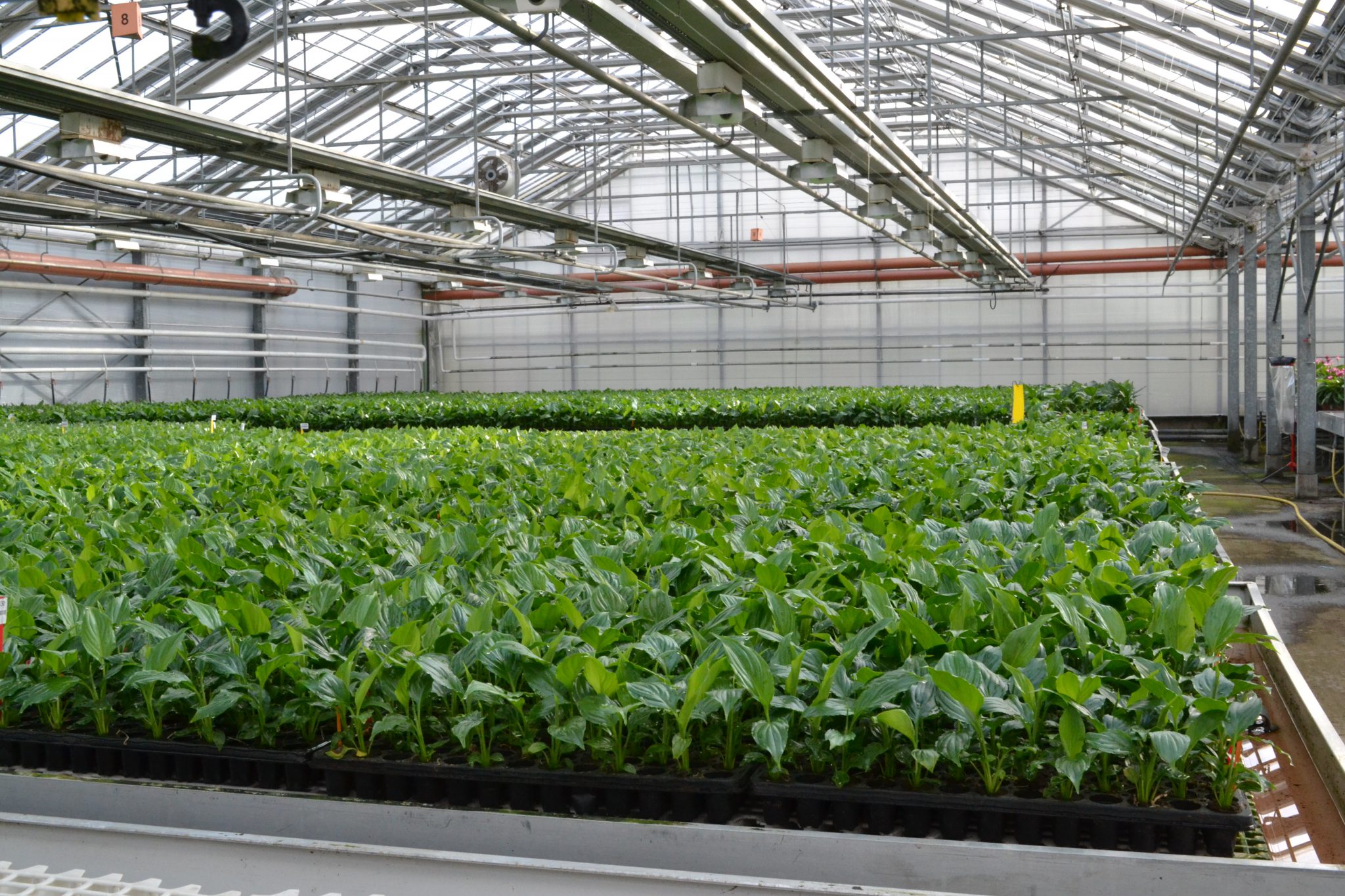
Plants that have been removed from culture vessels may be arranged in trays or similar structures. Trays help organize individual plantlets and reduce contact between plants during handling.
For larger shipments, stable tray arrangements can also make loading, unloading, inspection, and acclimatization more efficient.
Protective Inner Materials
Lightweight protective materials may be used to prevent plantlets from shifting during transportation. The material should provide sufficient support without placing excessive pressure on delicate leaves or shoots.
The choice of protective material depends on the plant type, packaging format, shipping distance, and expected handling conditions.
Temperature Protection
Temperature management is another consideration when packaging tissue culture plants. Extreme heat or cold during transportation can place additional stress on plant material.
Packaging may therefore need to be selected according to the season and shipping route. For longer journeys, buyers should discuss appropriate temperature-management measures with the supplier and carrier.
Moisture Management
Plants can be affected by both excessive moisture and dehydration. Packaging should therefore be appropriate for the plant’s developmental stage and growing medium.
If rooted plantlets are shipped in growing media, the moisture level should be managed carefully. Excessive moisture can create other problems, while insufficient moisture can cause plants to lose water during transit.
Outer Shipping Containers
Outer containers provide additional protection against physical impact, compression, and environmental exposure. They should be strong enough for the expected handling conditions and appropriately sized for the shipment.
Overpacking can also create unnecessary weight and restrict ventilation, so the packaging design should balance protection with the requirements of the plant material.
Labeling and Identification
Clear labels can help prevent mistakes during transportation and receiving. Important information may include the plant species, cultivar, batch number, quantity, handling instructions, and destination details.
Accurate labeling becomes especially useful when several varieties are shipped together.
Packaging for Long-Distance Shipments
Long-distance transportation requires additional planning because plants may spend more time exposed to handling and changing environmental conditions.
Before dispatch, buyers should confirm:
- Expected transit duration
- Packaging configuration
- Temperature considerations
- Protection against physical movement
- Handling instructions
- Documentation requirements
- Receiving procedures
These details can help ensure that the packaging approach matches the transportation route.
What Buyers Should Ask Suppliers
Before ordering from a supplier such as Young Plants, buyers can ask how plants are packaged for shipment and whether the method changes according to plant stage or destination.
It is also useful to clarify how damaged packaging or plants are documented when a shipment arrives. Clear procedures can make post-delivery inspection more organized.
Inspecting Packaging Upon Arrival
Packaging should be inspected as soon as the shipment arrives. Check for broken containers, crushed boxes, excessive moisture, visible dehydration, or other signs of transportation stress.
Record any issues and compare the delivered quantity and plant condition with the original order. Prompt documentation can be useful if follow-up with the supplier or carrier is necessary.
Final Thoughts
Packaging methods for tissue culture plants vary according to plant stage, transportation distance, environmental conditions, and shipment size. Culture vessels, trays, protective materials, temperature considerations, moisture management, and sturdy outer containers can all contribute to safer transportation.
For wholesale buyers, understanding the packaging process before placing an order makes it easier to prepare receiving facilities and identify whether the proposed shipping method is suitable for the plants being purchased.