
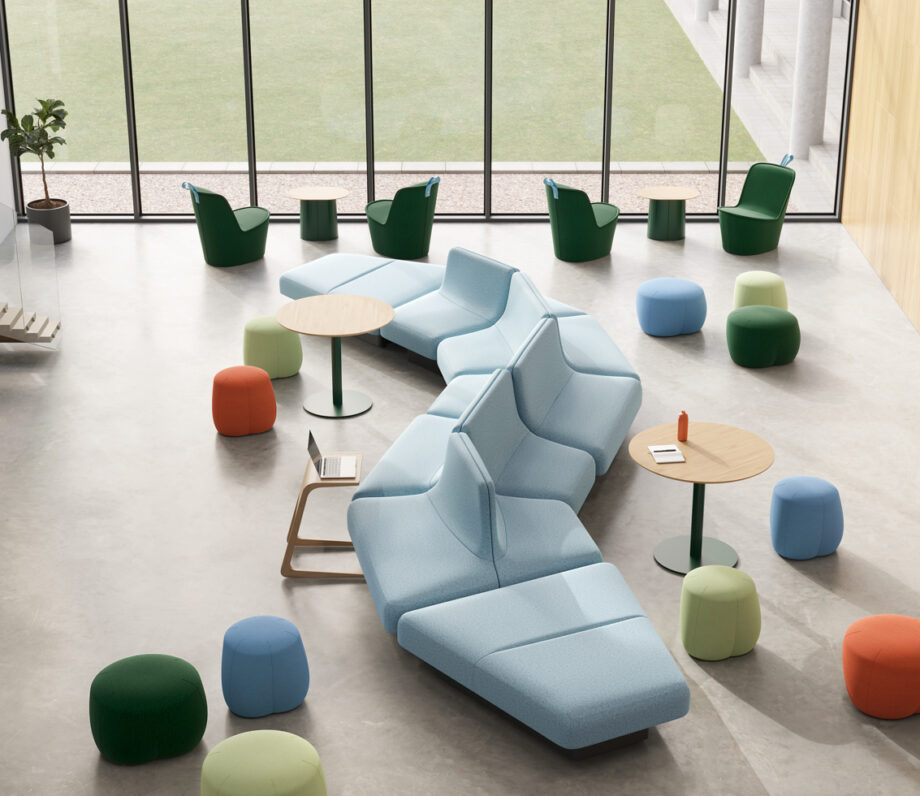

The commercial furniture industry continues to evolve as businesses seek smarter, more sustainable, and highly functional workplace solutions. Advances in technology, changing work environments, and growing environmental awareness are influencing how furniture is designed and manufactured. These innovations are helping companies create commercial spaces that are more efficient, adaptable, and comfortable.
Working with a forward-thinking commercial furniture manufacturer gives businesses access to modern furniture solutions that combine innovative design, quality craftsmanship, and advanced manufacturing techniques. As the industry progresses, several key innovations are shaping the future of commercial furniture production.
1. Smart Furniture Integration
Technology is becoming an essential part of workplace furniture. Modern commercial furniture now includes features such as wireless charging, built-in power outlets, USB ports, and cable management systems.
These additions help create organized workspaces that support today’s technology-driven offices.
2. Sustainable Manufacturing Practices
Environmental responsibility is a major focus for furniture manufacturers. Many companies are using responsibly sourced materials, recycled components, and low-emission finishes to reduce their environmental impact.
Sustainable production methods also help minimize waste and improve resource efficiency.
3. Modular Furniture Systems
Businesses increasingly require flexible workspaces that can adapt to changing needs. Modular furniture systems allow offices to be reconfigured quickly without replacing entire furniture collections.
This flexibility supports business growth and evolving workplace layouts.
4. Advanced Manufacturing Automation
Automation is improving production accuracy and efficiency. Computer-controlled machinery and robotic systems help manufacturers produce furniture with greater consistency while reducing material waste.
Automation also supports faster production without compromising quality.
5. Ergonomic Design Improvements
Employee well-being remains a priority in modern office design. Manufacturers continue to develop ergonomic furniture that promotes better posture, comfort, and productivity.
Adjustable desks, supportive seating, and flexible workstations are becoming standard features in commercial environments.
6. Lightweight Yet Durable Materials
Innovative materials allow manufacturers to create furniture that is both strong and easy to move. Lightweight construction simplifies office reconfiguration while maintaining durability for everyday commercial use.
These materials also improve transportation and installation efficiency.
7. Digital Design and Visualization
Advanced design software allows manufacturers to create highly accurate digital models before production begins. Clients can review layouts, dimensions, and finishes before furniture is manufactured.
This process reduces errors and improves collaboration between manufacturers and customers.
8. Improved Acoustic Furniture
Open-plan offices often face challenges related to workplace noise. Acoustic furniture solutions, including privacy booths, sound-absorbing panels, and partition systems, help create quieter and more productive work environments.
These products support concentration while maintaining collaborative office layouts.
9. Multi-Functional Furniture
Modern businesses value furniture that serves more than one purpose. Manufacturers are designing products that combine seating, storage, workspace, and technology integration into a single solution.
Examples include:
- Storage benches
- Foldable meeting tables
- Modular seating systems
- Adjustable workstations
These versatile designs maximize functionality while optimizing available space.
10. Data-Driven Manufacturing
Manufacturers are increasingly using production data to improve efficiency and quality. Performance monitoring helps identify production bottlenecks, reduce waste, and maintain consistent manufacturing standards.
Data-driven decision-making supports continuous improvement throughout the manufacturing process.
11. Customization at Scale
Advancements in production technology allow manufacturers to offer customized furniture without significantly slowing production. Businesses can select dimensions, materials, finishes, and configurations that match their specific needs.
This innovation combines personalization with efficient manufacturing processes.
12. Circular Economy Initiatives
Many manufacturers are adopting circular economy principles by designing furniture that is easier to repair, refurbish, or recycle. This approach extends product life while reducing environmental impact.
Businesses increasingly value furniture solutions that support long-term sustainability goals.
Conclusion
Innovation continues to transform commercial furniture manufacturing through smarter technology, sustainable practices, advanced production methods, and flexible design solutions. These developments help businesses create workspaces that improve productivity, support employee well-being, and adapt to changing operational needs.
By partnering with a commercial furniture manufacturer that embraces modern innovations, organizations can invest in future-ready furniture that delivers lasting performance, functionality, and value in today’s evolving commercial environments.