
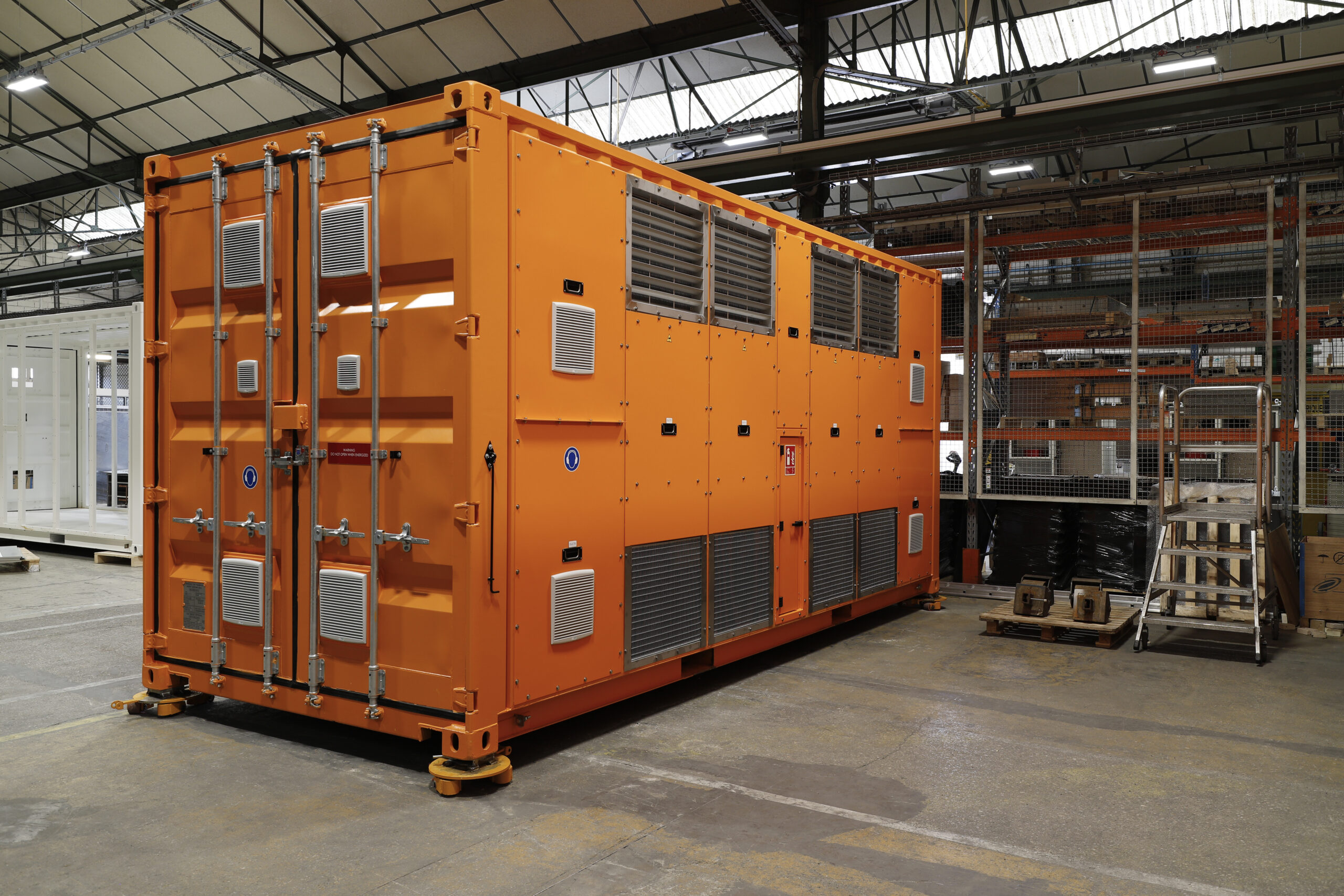

Reliable power systems are the foundation of modern industries, supporting everything from hospitals and data centers to manufacturing plants and renewable energy facilities. Before electrical equipment is placed into operation, it must be thoroughly tested to ensure it can perform safely and efficiently under real working conditions. This is where RLC load banks become indispensable.
An RLC load bank manufacturer provides specialized equipment that combines resistive, inductive, and capacitive loads to simulate actual electrical demand. Unlike resistive-only load banks, RLC load banks create a realistic testing environment that allows engineers to evaluate the true performance of generators, UPS systems, transformers, inverters, and other critical electrical equipment. Their ability to reproduce real operating conditions makes them an essential tool for comprehensive power system testing.
Simulating Real-World Electrical Loads
One of the primary reasons RLC load banks are essential is their ability to simulate actual electrical loads. Most industrial and commercial facilities operate equipment that includes a combination of resistive, inductive, and capacitive loads.
Examples include:
- Electric motors
- HVAC systems
- Transformers
- Industrial machinery
- Variable frequency drives
- Electronic equipment
A professional RLC load bank manufacturer designs equipment that accurately reproduces these complex load conditions, allowing engineers to evaluate system performance in realistic environments.
Improving Generator Testing Accuracy
Generators rarely power purely resistive loads during normal operation. They must handle changing power factors and varying reactive loads.
RLC load banks allow engineers to verify:
- Voltage regulation
- Frequency stability
- Power factor performance
- Load acceptance capability
- Overall generator efficiency
This level of testing provides a much more accurate assessment than resistive-only testing.
Testing UPS Systems Under Real Conditions
Uninterruptible Power Supply (UPS) systems protect sensitive equipment during power interruptions. To ensure reliable operation, UPS units must be tested using realistic electrical loads.
An experienced RLC load bank manufacturer provides equipment that evaluates UPS systems under conditions that closely resemble actual facility operations.
This testing helps verify:
- Battery performance
- Inverter operation
- Load transfer capability
- Output stability
- System reliability
Accurate UPS testing reduces the risk of unexpected failures during power outages.
Verifying Transformer Performance
Transformers play a critical role in electrical distribution systems. RLC load banks allow engineers to evaluate transformer performance under different loading conditions.
Testing can confirm:
- Voltage regulation
- Load capacity
- Thermal performance
- Efficiency
- Stable operation
These evaluations help identify potential issues before transformers are placed into service.
Supporting Renewable Energy Systems
Renewable energy installations often include inverters, battery storage systems, and complex power conversion equipment.
RLC load banks help test:
- Solar inverters
- Wind power systems
- Battery energy storage
- Hybrid power systems
- Grid integration equipment
Comprehensive testing ensures renewable energy systems perform efficiently while maintaining power quality.
Detecting Hidden Equipment Problems
Some electrical faults remain undetected during basic testing procedures.
RLC load banks help identify issues such as:
- Voltage instability
- Frequency fluctuations
- Poor power factor performance
- Cooling system deficiencies
- Control system faults
- Load-sharing problems
Early fault detection reduces maintenance costs and prevents unexpected equipment failures.
Supporting Equipment Commissioning
Before new electrical systems become operational, they must undergo commissioning tests to verify performance and compliance with project requirements.
A trusted RLC load bank manufacturer supplies equipment that supports commissioning by allowing engineers to:
- Verify rated capacity
- Test full-load operation
- Confirm system stability
- Validate equipment performance
- Ensure operational readiness
Successful commissioning reduces project risks and improves long-term reliability.
Improving Preventive Maintenance
Routine testing is an important part of preventive maintenance programs. Regular testing with RLC load banks helps maintenance teams monitor equipment performance over time.
Benefits include:
- Early fault detection
- Reduced unexpected downtime
- Longer equipment lifespan
- Lower maintenance costs
- Improved operational reliability
Preventive maintenance keeps critical power systems ready for continuous operation.
Enhancing Safety During Testing
Modern RLC load banks include advanced safety features that protect both operators and equipment during testing.
Common safety features include:
- Overload protection
- Over-temperature monitoring
- Emergency stop functions
- Automatic shutdown
- Fault alarms
- Circuit protection
These features allow testing to be performed safely, even in demanding industrial environments.
Advanced Digital Monitoring
A modern RLC load bank manufacturer integrates intelligent monitoring technology into its equipment.
Operators can monitor important performance parameters, including:
- Voltage
- Current
- Frequency
- Power
- Power factor
- Temperature
- Load percentage
Real-time monitoring allows engineers to analyze system performance accurately and respond quickly to abnormal operating conditions.
Serving Multiple Industries
RLC load banks are widely used across industries where dependable power is essential, including:
- Power generation
- Data centers
- Healthcare
- Manufacturing
- Oil and gas
- Marine
- Renewable energy
- Utility companies
- Commercial buildings
Each of these industries depends on accurate testing to maintain reliable electrical infrastructure.
Long-Term Value
Investing in equipment from a reliable RLC load bank manufacturer provides long-term benefits beyond initial testing.
Organizations gain:
- More accurate performance evaluations
- Improved equipment reliability
- Reduced operational risks
- Lower maintenance expenses
- Better system efficiency
- Greater confidence in backup power systems
These advantages contribute to higher productivity and lower total ownership costs over the equipment’s service life.
Conclusion
RLC load banks are essential for comprehensive power system testing because they accurately simulate real-world electrical conditions that cannot be achieved with resistive-only testing. By enabling precise evaluation of generators, UPS systems, transformers, renewable energy equipment, and other critical power infrastructure, they help organizations verify performance, identify hidden faults, improve safety, and enhance overall system reliability. Partnering with an experienced RLC load bank manufacturer ensures access to high-quality testing solutions that support accurate diagnostics, efficient commissioning, and dependable operation across a wide range of industrial applications.