
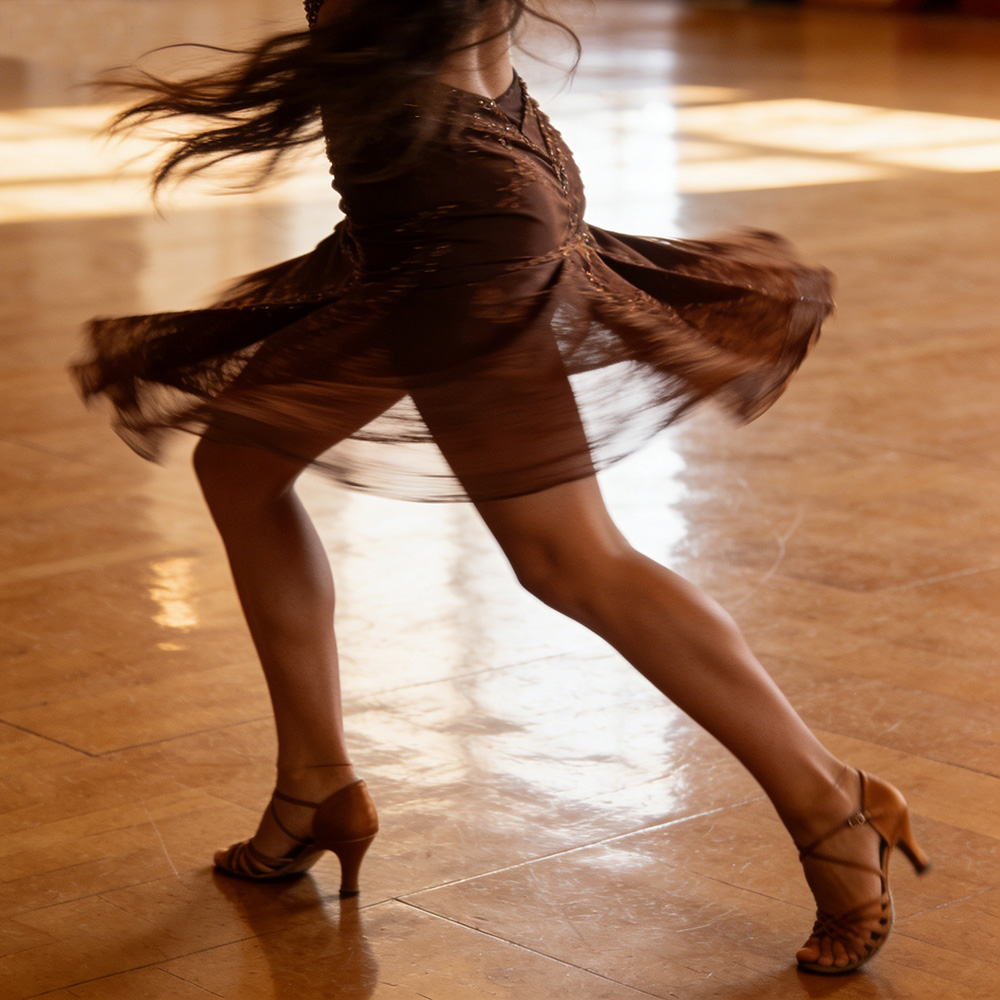

Launching a successful dance footwear brand requires more than creative designs—it demands quality, comfort, and a reliable manufacturing partner. Ordering Custom Dance Shoes allows businesses to create unique products tailored to their target audience while maintaining high standards of craftsmanship and performance. Whether you are starting a new dance shoe brand or expanding an existing product line, understanding the customization process will help you make informed decisions and achieve the best results.
Understand Your Target Market
Before placing an order, identify the dancers you want to serve. Different dance styles require different shoe features, so understanding your audience is essential.
Consider questions such as:
- Which dance styles will your shoes support?
- Are your customers beginners or professionals?
- What price range fits your market?
- Which regions or countries will you sell in?
- Do your customers prefer classic or modern designs?
A clear understanding of your target market helps you choose the right materials, designs, and customization options.
Choose an Experienced Manufacturer
Your manufacturing partner plays a major role in your brand’s success. An experienced custom dance shoe manufacturer can provide valuable guidance throughout the production process while ensuring consistent quality.
Look for manufacturers that offer:
- Years of production experience.
- Skilled craftsmanship.
- Strict quality control procedures.
- Flexible customization services.
- OEM and ODM manufacturing.
- Reliable production capacity.
- Strong communication and customer support.
Working with an experienced supplier reduces production risks and helps maintain product consistency.
Select the Right Dance Shoe Styles
Different dance disciplines require specialized footwear. Offering a variety of styles allows your brand to reach a broader customer base.
Popular options include:
- Ballroom dance shoes.
- Latin dance shoes.
- Salsa shoes.
- Tango shoes.
- Jazz dance shoes.
- Performance heels.
- Practice shoes.
Choosing the right product mix depends on your brand strategy and customer demand.
Customize Materials and Construction
Material selection directly affects durability, comfort, and overall performance.
Common customization options include:
- Genuine leather uppers.
- Satin finishes.
- Microfiber lining.
- Breathable fabrics.
- Suede soles.
- Rubber soles for practice shoes.
- Cushioned insoles.
Premium materials improve comfort while enhancing the overall quality of your products.
Personalize Your Brand Identity
Private labeling allows your products to stand out in a competitive marketplace.
Brand customization may include:
- Custom logos.
- Brand labels.
- Printed insoles.
- Custom shoe boxes.
- Dust bags.
- Product tags.
- Instruction cards.
- Branded packaging.
These elements create a professional appearance and strengthen customer recognition.
Determine Heel and Fit Options
Dance shoes are highly personal products, making customization especially valuable.
Offer customers choices such as:
- Multiple heel heights.
- Different heel shapes.
- Wide or narrow fittings.
- Adjustable straps.
- Flexible sole options.
- Various toe shapes.
Providing multiple sizing and fit options increases customer satisfaction while reducing returns.
Review Sample Products Before Mass Production
Never begin large-scale production without evaluating samples first.
During sample inspection, check:
- Overall comfort.
- Stitching quality.
- Material finish.
- Logo placement.
- Heel stability.
- Sole flexibility.
- Color accuracy.
- Packaging quality.
Testing samples allows you to identify any necessary improvements before full production begins.
Understand Minimum Order Quantities
Most manufacturers establish minimum order quantities (MOQs) depending on the level of customization.
Factors affecting MOQ include:
- Custom materials.
- Private labeling.
- Exclusive designs.
- Packaging requirements.
- Production complexity.
Discuss MOQ requirements early to ensure they align with your business budget and inventory plans.
Prioritize Quality Control
Consistent quality builds customer trust and protects your brand reputation.
Effective quality control should include:
- Material inspection.
- Production monitoring.
- Finished product testing.
- Packaging inspection.
- Random batch sampling.
- Final shipment verification.
A strong quality assurance process helps minimize defects and customer complaints.
Plan Shipping and Inventory
Efficient logistics are just as important as manufacturing quality.
When placing your order, consider:
- Production timelines.
- Shipping methods.
- Customs requirements.
- Warehouse capacity.
- Seasonal demand.
- Inventory management.
Proper planning helps ensure products arrive on time and remain available during peak sales periods.
Build a Long-Term Manufacturing Partnership
Rather than treating your manufacturer as a one-time supplier, focus on building a long-term relationship. Strong partnerships often lead to better communication, improved pricing, priority production scheduling, and continued product development.
Reliable manufacturers can also support future collections, new designs, and business expansion as your brand grows.
Conclusion
Ordering custom dance shoes for your brand is a strategic investment that combines product quality, brand identity, and customer satisfaction. By selecting an experienced manufacturer, choosing premium materials, reviewing samples carefully, and implementing strong quality control measures, you can create footwear that meets the expectations of dancers around the world.
A thoughtful approach to customization not only helps your products stand out in a competitive market but also builds a trusted brand known for comfort, performance, and exceptional craftsmanship.