
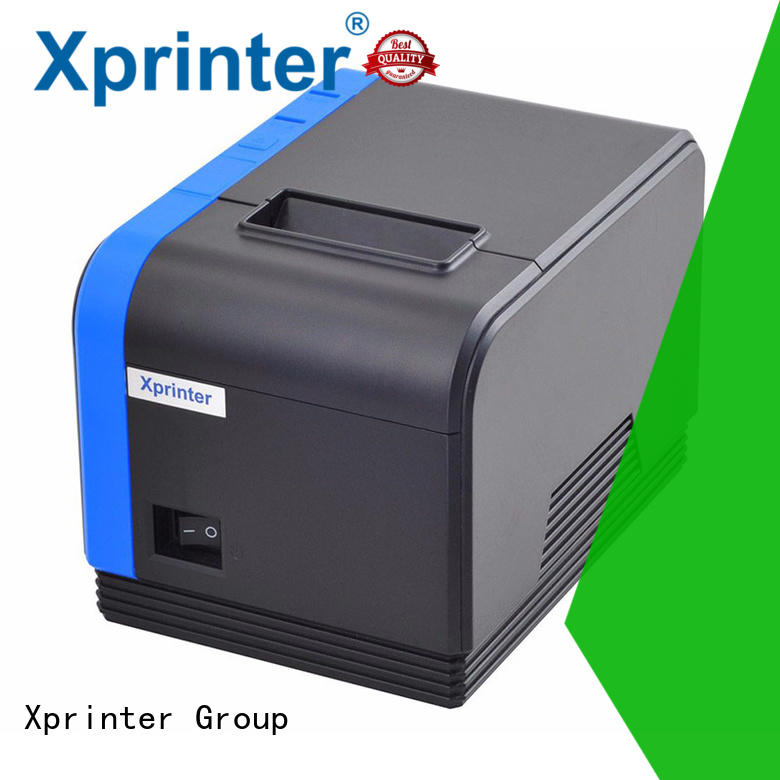

A reliable receipt printer is an essential tool for businesses that process customer transactions every day. Whether you operate a retail store, restaurant, supermarket, pharmacy, or service business, the right printer can improve efficiency, reduce waiting times, and deliver a smoother checkout experience. Selecting the best printer requires understanding your business needs, the available features, and the long-term value the device provides.
Modern businesses increasingly rely on thermal printing because it offers fast, dependable, and cost-effective performance. Choosing the right Thermal Receipt Printer can help streamline daily operations while minimizing maintenance and operating expenses.
What Is a Thermal Receipt Printer?
A thermal receipt printer uses heat to create text and images on specially coated thermal paper. Unlike traditional inkjet or laser printers, it does not require ink cartridges or toner, making it an economical option for businesses that print receipts frequently.
Thermal receipt printers are commonly used for:
- Retail stores
- Restaurants and cafés
- Supermarkets
- Hotels
- Pharmacies
- Convenience stores
Their speed and reliability make them ideal for busy commercial environments.
Benefits of Thermal Receipt Printing
Thermal receipt printers offer several advantages over traditional printing technologies.
Some of the key benefits include:
- Fast printing speeds
- Quiet operation
- No ink or toner required
- Lower maintenance requirements
- Consistent print quality
- Compact design
These features help businesses improve productivity while reducing long-term operating costs.
Key Features to Consider
Choosing the right receipt printer involves evaluating several important features.
Print Speed
A fast printer reduces customer waiting times and supports efficient service during peak business hours.
Print Resolution
Higher print resolution produces clear text, sharp logos, readable QR codes, and accurate barcodes.
Connectivity Options
Modern receipt printers support multiple connection methods, including:
- USB
- Ethernet
- Wi-Fi
- Bluetooth
- Serial interfaces
Selecting the appropriate connectivity ensures compatibility with your existing equipment.
Paper Width
Most receipt printers support either 58 mm or 80 mm thermal paper rolls. Choose the paper width that best fits your business requirements.
Software Compatibility
Before purchasing a printer, verify that it supports your operating system and business software, such as:
- Point-of-sale (POS) systems
- Inventory management software
- Restaurant management systems
- Accounting software
- Retail management platforms
Good compatibility makes installation and daily operation much easier.
Choosing the Right Printer for Your Business
Different businesses have different printing requirements.
Retail
Retail stores benefit from high-speed receipt printing that improves checkout efficiency and customer satisfaction.
Restaurants
Restaurants require reliable receipt printers for customer payments, kitchen orders, and takeaway transactions.
Hospitality
Hotels use receipt printers for guest invoices, restaurant billing, and payment confirmations.
Healthcare
Medical facilities print billing receipts, pharmacy transactions, and appointment confirmations.
Transportation
Transportation providers use receipt printers for tickets, payment records, and travel confirmations.
Understanding your industry’s requirements helps you select the most appropriate printer.
Factors That Affect Your Buying Decision
Before making a purchase, consider the following:
- Daily printing volume
- Required print speed
- Available workspace
- Connection methods
- Software compatibility
- Future business growth
- Maintenance requirements
Carefully evaluating these factors ensures your investment meets both current and future business needs.
Maintenance Tips
Proper maintenance helps extend the lifespan of your receipt printer and maintain excellent print quality.
Recommended maintenance practices include:
- Clean the print head regularly.
- Use high-quality thermal paper.
- Remove dust from the paper compartment.
- Inspect rollers periodically.
- Update firmware when available.
- Avoid exceeding the recommended print volume.
Routine maintenance minimizes downtime and supports reliable operation.
Common Mistakes to Avoid
Many businesses make avoidable purchasing mistakes when selecting a receipt printer.
Some common errors include:
- Choosing a printer based only on price
- Ignoring software compatibility
- Purchasing the wrong paper size
- Underestimating future printing needs
- Overlooking long-term maintenance costs
Taking time to evaluate your requirements can help you make a better long-term investment.
Why Scalability Matters
As businesses grow, transaction volumes often increase. Selecting a printer that offers reliable performance, flexible connectivity, and compatibility with evolving business software helps reduce the need for frequent equipment upgrades.
A scalable printing solution supports business expansion while maintaining operational efficiency.
Conclusion
Choosing the right thermal receipt printer is an important decision that can improve customer service, streamline daily operations, and reduce long-term operating costs. By considering factors such as print speed, connectivity, compatibility, durability, and maintenance, businesses can confidently select a printer that meets their operational requirements.
A well-chosen thermal receipt printer provides dependable performance, excellent print quality, and the efficiency needed to support growing businesses across retail, hospitality, healthcare, transportation, and many other industries.