
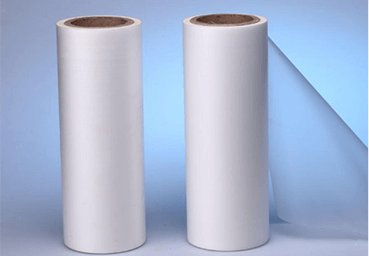

In modern packaging, printing, and industrial manufacturing, surface performance is just as important as the base material itself. While PETG is already valued for its clarity, toughness, and thermoformability, its performance can be further enhanced through various surface treatments and coating technologies. These modifications help improve printability, scratch resistance, chemical durability, and overall functionality in demanding applications.
As industries continue to require more specialized materials, surface engineering has become an essential part of polymer film development. PETG is particularly suitable for such enhancements because of its stable structure and compatibility with multiple coating systems.
In many advanced manufacturing processes, selecting the right surface finish can significantly influence product performance. One commonly used material in this category is PETG film, which can be treated or coated to meet specific requirements in packaging, printing, medical, and industrial applications.
Why Surface Treatments Are Important for PETG Film
Although PETG already offers excellent transparency and mechanical strength, its natural surface may not always meet the requirements of specialized applications. Surface treatments help improve functional performance without altering the core properties of the material.
Key reasons for surface modification include:
- Improving print adhesion and ink durability
- Enhancing scratch and abrasion resistance
- Increasing chemical resistance
- Optimizing surface energy for bonding or coating
These improvements make PETG more adaptable to high-performance environments where standard film properties are not sufficient.
Common Surface Treatment Methods for PETG Film
Corona Treatment
Corona treatment is one of the most widely used surface modification techniques for PETG. It involves exposing the film surface to a high-voltage electrical discharge, which increases surface energy.
This process improves wettability, allowing inks, adhesives, and coatings to adhere more effectively. It is commonly used before printing or lamination processes.
Plasma Treatment
Plasma treatment is a more advanced surface modification method that uses ionized gas to alter the surface structure of PETG. It provides a more uniform and controlled treatment compared to corona treatment.
This method enhances adhesion properties while maintaining the film’s optical clarity and mechanical strength.
Chemical Surface Activation
Chemical treatments involve applying specific solutions to modify the surface characteristics of PETG. These treatments can improve bonding strength and compatibility with coatings or adhesives.
They are often used in specialized industrial applications where precise surface control is required.
Coating Options for PETG Film
Anti-Scratch Coatings
One of the most common coating enhancements for PETG is anti-scratch treatment. This coating forms a protective layer on the surface, reducing damage caused by abrasion and handling.
It is widely used in applications such as protective covers, display panels, and packaging materials where surface appearance must be preserved.
UV-Resistant Coatings
UV coatings help protect PETG from degradation caused by prolonged exposure to ultraviolet light. Without protection, some plastics may yellow or lose clarity over time.
UV-resistant coatings ensure long-term optical stability, making them suitable for signage, outdoor displays, and retail packaging.
Anti-Reflective Coatings
Anti-reflective coatings are applied to reduce glare and improve visibility. This is especially important in display applications where clear viewing is required under strong lighting conditions.
These coatings enhance visual clarity and improve user experience in retail and electronic display environments.
Hard Coatings
Hard coatings significantly increase surface durability by improving resistance to scratches, chemicals, and general wear. They are commonly used in high-traffic or industrial environments.
This type of coating extends the lifespan of PETG products and maintains a clean, professional appearance over time.
Impact of Surface Treatments on Printing Performance
Surface treatments play a crucial role in improving print quality on PETG film. By increasing surface energy and optimizing adhesion, treatments ensure that inks bond more effectively and produce sharper, more durable images.
Benefits include:
- Better ink adhesion and color consistency
- Reduced smudging or peeling
- Improved resistance to cleaning agents
- Higher resolution print output
These improvements are essential for packaging, signage, and branding applications where visual quality is critical.
Applications That Benefit from Coated PETG Film
PETG films with surface treatments and coatings are widely used across multiple industries, including:
- Retail packaging and product displays
- Medical device packaging and protective covers
- Electronic display panels and protective layers
- Industrial protective films and housings
- Advertising and signage materials
Each application benefits from specific surface enhancements tailored to performance requirements.
Balancing Performance, Cost, and Functionality
While surface treatments improve performance, they also add complexity and cost to production. Manufacturers must balance functional requirements with budget considerations when selecting coating options.
For example, basic corona treatment may be sufficient for standard printing applications, while high-end display or industrial uses may require advanced coatings like hard or UV-resistant layers.
Selecting the right combination ensures optimal performance without unnecessary expense.
Sustainability Considerations in Surface Engineering
Modern surface treatment technologies are also evolving to support sustainability goals. Many advanced coating systems are designed to reduce environmental impact by minimizing solvent use or improving material lifespan.
By extending the durability of PETG products, coatings also help reduce waste and replacement frequency, contributing to more sustainable manufacturing practices.
Conclusion
Surface treatments and coating technologies significantly expand the performance capabilities of PETG film, making it suitable for a wide range of advanced applications. From improved printability to enhanced durability and environmental resistance, these modifications allow PETG to meet the demands of modern industries.
As material performance requirements continue to evolve, PETG combined with advanced surface engineering will remain a key solution in packaging, printing, signage, and industrial applications.