
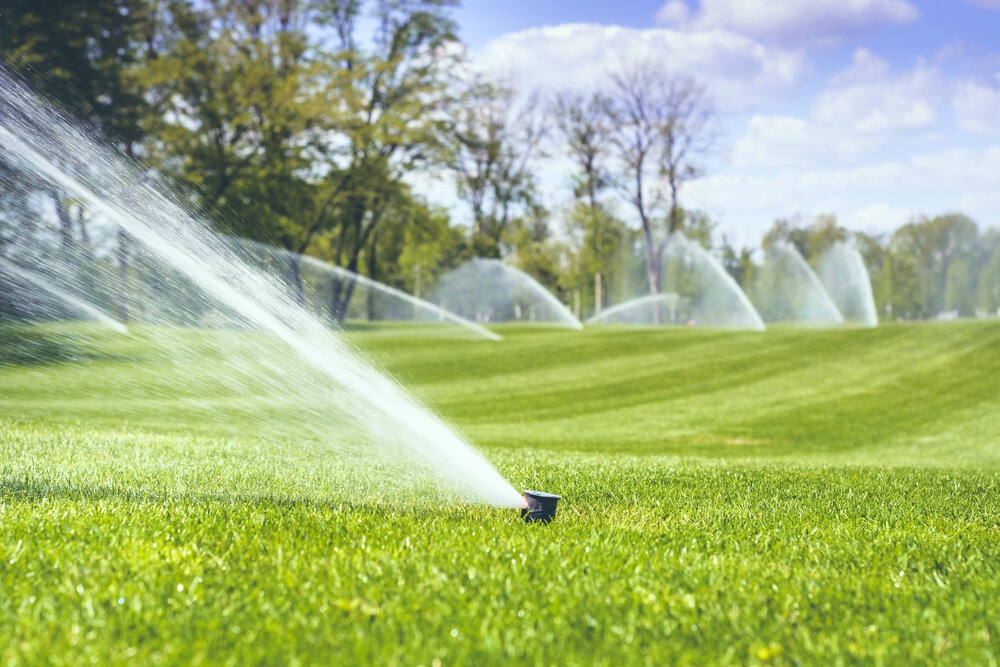

Water pressure is one of the most important factors influencing how effectively a sprinkler system operates. The pressure available at the sprinkler determines how water moves through the nozzle, how far it travels, and how evenly it is distributed across the irrigation area.
When selecting irrigation equipment, understanding pressure requirements is essential. A reliable Sprinkler Manufacturer designs products with specific operating ranges to help ensure consistent performance under suitable conditions.
The Relationship Between Pressure and Sprinkler Operation
A sprinkler relies on water pressure to create the force needed for distribution. As pressurized water enters the sprinkler, it moves through internal passages and exits through the nozzle with a specific flow pattern.
The amount of pressure available affects several performance characteristics, including spray distance, droplet size, flow rate, and coverage uniformity. Maintaining the correct pressure helps the sprinkler operate as intended.
Effects of Low Water Pressure
Insufficient pressure can prevent a sprinkler from reaching its expected coverage area. Water may not travel far enough, resulting in dry sections between sprinklers.
Low pressure can also affect spray uniformity. Some areas may receive less water than others, which can reduce irrigation effectiveness and require longer operating times to compensate.
Common causes of low pressure include:
- Undersized pipes
- Limited water supply
- Excessive demand from multiple sprinklers
- Pump capacity issues
- Blocked filters or valves
- Leaks within the system
Identifying the cause of low pressure is important before making adjustments to the sprinkler system.
Effects of High Water Pressure
Higher pressure does not always improve sprinkler performance. Excessive pressure can create problems that reduce irrigation efficiency.
When pressure is too high, water may break into smaller droplets that are more affected by wind and evaporation. It can also increase misting, which reduces the amount of water reaching the intended area.
High pressure may also place additional stress on sprinkler components, potentially increasing wear over time.
Pressure and Spray Distance
Spray distance is directly influenced by operating pressure. A sprinkler operating at the recommended pressure can usually achieve its intended radius.
If pressure decreases, the spray may become shorter and create gaps in coverage. If pressure increases beyond the design range, the spray pattern may become less controlled.
Correct pressure helps maintain the balance between coverage area and water application.
Pressure and Water Distribution
Uniform water distribution depends on maintaining stable pressure throughout the irrigation zone. Pressure differences between sprinklers can cause some areas to receive more water than others.
For example, sprinklers located closer to the water source may operate differently from those at the end of a pipe network if pressure is not properly managed.
A well-designed system considers these differences during planning and installation.
How Pressure Affects Flow Rate
Flow rate changes as pressure changes. A sprinkler may release more water at higher pressure and less water at lower pressure.
This relationship is important because irrigation systems are designed around specific water application rates. Changes in pressure can affect scheduling, water usage, and plant health.
Pressure Requirements for Different Sprinklers
Different sprinkler designs require different pressure conditions. A small-area sprinkler may operate effectively at lower pressure, while a large-area agricultural sprinkler may require greater pressure to achieve the desired coverage.
Understanding the pressure range of each sprinkler type helps ensure that equipment is matched with the available water supply.
Measuring Water Pressure
Regular pressure checks can help identify whether an irrigation system is operating correctly. Pressure can be measured at different points to determine whether problems exist within the network.
Measurements are often taken:
- Near the water source
- At the beginning of an irrigation zone
- At the end of pipe runs
- During normal sprinkler operation
Comparing these readings can reveal pressure losses or system limitations.
Managing Pressure in an Irrigation System
Several methods can help maintain appropriate sprinkler pressure:
Proper Pipe Sizing
Pipes that are too small can restrict water movement and create pressure loss. Selecting suitable pipe sizes helps maintain better flow throughout the system.
Pressure Regulation
Pressure regulators can help control excessive pressure and keep sprinkler operation within the recommended range.
Balanced Zone Design
Grouping sprinklers with similar requirements into the same irrigation zone can improve pressure consistency and overall performance.
Regular Maintenance
Cleaning filters, checking valves, and repairing leaks can help prevent pressure problems caused by system issues.
The Role of System Design
Sprinkler performance depends not only on the sprinkler itself but also on the complete irrigation design. Pipe layout, pump capacity, elevation changes, and sprinkler spacing all influence available pressure.
A properly designed system ensures that each sprinkler receives suitable operating conditions.
Signs of Pressure Problems
Several indicators may suggest that water pressure needs attention:
- Uneven spray coverage
- Reduced spray distance
- Excessive misting
- Weak water flow
- Dry areas within the irrigation zone
- Water pooling in certain locations
- Different performance between nearby sprinklers
Monitoring these signs can help identify issues before they affect the entire irrigation system.
Maintaining Proper Pressure Over Time
Pressure conditions can change as irrigation systems age. Pipe buildup, equipment wear, seasonal water supply changes, and additional system connections may influence performance.
Regular system checks and maintenance can help keep pressure within the desired range. Adjustments may be needed as site conditions change.
Final Thoughts
Water pressure plays a major role in sprinkler performance. Both low and high pressure can reduce efficiency by affecting spray distance, flow rate, coverage, and water distribution.
Maintaining the correct pressure range allows sprinklers to perform more consistently and helps irrigation systems use water more effectively. By considering pressure requirements during equipment selection, installation, and maintenance, users can achieve better results and improve the reliability of their irrigation systems.