

Choosing the right padel court manufacturer can have a major impact on the quality, safety, appearance, and long-term performance of your padel facility. Whether you are planning a single court for a private sports club or developing a larger padel center, the manufacturer you work with will influence everything from the court structure and glass quality to installation requirements and maintenance needs. With more suppliers entering the market, it is important to look beyond price and understand what makes one manufacturer a better fit for your particular project.
A reliable Padel Court Manufacturer should offer more than a basic court package. The manufacturer should understand international court standards, use suitable materials, provide clear technical specifications, and have the production capabilities needed to deliver consistent quality. A good supplier should also be able to discuss customization, transportation, installation, and after-sales support before you place an order.
Understand What a Padel Court Includes
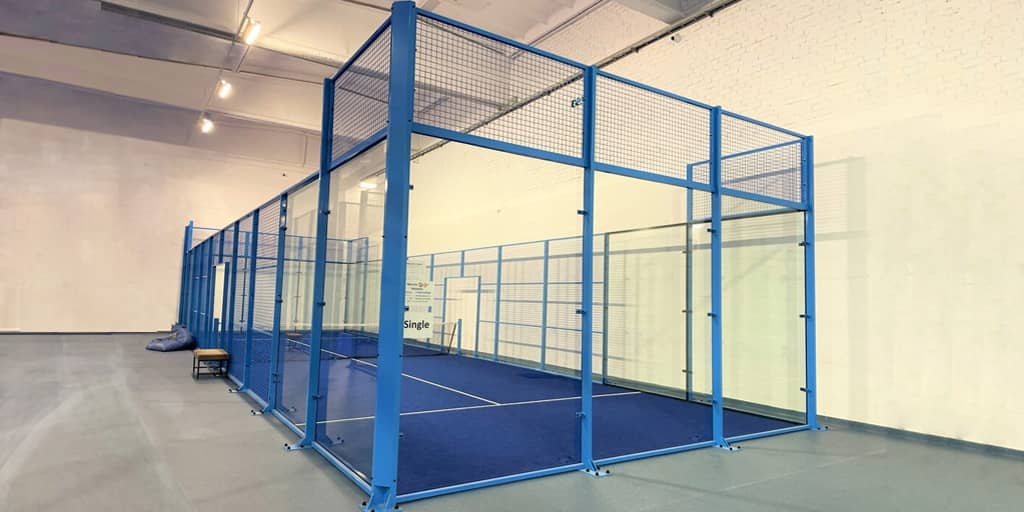
Before comparing manufacturers, it helps to understand the main components of a padel court. A typical court consists of a steel or metal structural frame, tempered glass panels, mesh fencing, artificial turf, lighting equipment, access doors, and various connecting and fixing components.
Each part contributes to the playing experience and overall durability. For example, the quality of the steel frame affects structural stability, while the glass must be strong enough to withstand repeated impacts from balls and players. The artificial turf also needs to provide suitable traction without becoming excessively abrasive.
Because a court is made up of multiple interconnected systems, choosing a manufacturer capable of producing or properly coordinating these components can make the entire purchasing process easier.
Check the Manufacturer’s Experience
Experience is one of the first things worth investigating. A company that has been manufacturing padel courts for several years is more likely to have encountered different installation environments, climate conditions, design requirements, and customer expectations.
Ask potential manufacturers how long they have been producing padel courts and what types of projects they have completed. If possible, request photographs or project information from previous installations.
Experience does not automatically guarantee quality, but it can indicate that a manufacturer has had time to improve its production processes and understand common challenges.
Pay Attention to Structural Quality
The structural frame is one of the most important elements of a padel court. It supports the glass, fencing, and other components, so poor-quality materials or inadequate manufacturing can create problems over time.
When comparing manufacturers, ask about the type of steel used, surface treatment, coating process, and corrosion protection. This is particularly important if the court will be installed outdoors or in an area with high humidity, heavy rainfall, or salty coastal air.
Powder coating and other protective treatments can help protect metal components from corrosion, but the quality of the preparation and coating process also matters.
A manufacturer should be willing to provide technical information rather than simply describing the frame as “high quality.”
Evaluate the Glass Specifications
Tempered glass is another critical component of a padel court. Players frequently hit the ball against the glass, meaning the panels need to be manufactured and installed correctly.
When evaluating a supplier, ask about the thickness and type of tempered glass used. You should also ask how the glass is processed, packaged, transported, and secured during installation.
Glass quality is not an area where cutting corners is advisable. A lower initial purchase price may not represent good value if the materials are less durable or replacement components are difficult to obtain.
Consider the Playing Surface
The artificial turf used on a padel court affects how the court looks and how it performs during play. Different turf systems can vary in fiber type, density, color, drainage characteristics, and durability.
If your project is located outdoors, drainage deserves particular attention. Rainwater needs to move away from the playing surface efficiently to reduce standing water and help the court return to usable condition.
Ask the manufacturer what type of turf they recommend for your intended environment. A supplier with experience in different climates may be able to suggest a suitable system based on local weather and usage levels.
Look at Lighting Options
For commercial padel facilities, lighting can be just as important as the court itself. Many facilities operate during evenings, so players need consistent illumination across the entire playing area.
When comparing manufacturers, ask whether lighting is included in the court package or available as an optional component. Check the type, positioning, brightness, energy consumption, and mounting arrangement.
Good lighting should minimize distracting shadows and provide players with clear visibility of the ball. The lighting system should also be designed so that maintenance and replacement are reasonably straightforward.
Ask About Customization
Not every padel project has the same requirements. A private club, hotel, sports center, school, and commercial padel facility may all need different designs.
Some manufacturers offer customization options for colors, branding, court layouts, fencing, glass treatments, lighting, entrances, and other elements.
If branding is important to your business, ask whether the manufacturer can incorporate your logo or preferred colors into suitable parts of the court. Customization can help create a consistent visual identity across a sports facility.
However, customization should not compromise structural or safety requirements. The core design should remain focused on durability and appropriate performance.
Compare Manufacturing Standards
A professional manufacturer should be able to explain its manufacturing and quality-control procedures. Ask whether components are inspected before shipment and how the company handles dimensional tolerances, welding, coating, glass preparation, and packaging.
You can also ask whether the manufacturer provides technical drawings, installation instructions, product specifications, and other documentation.
Clear documentation is especially valuable when a project involves local contractors or installation teams. It reduces confusion and makes it easier to understand exactly what has been ordered.
Don’t Choose Based on Price Alone
Price is naturally an important part of any construction project, but the cheapest quotation is not always the most economical choice in the long term.
A low-priced court may use less durable materials, offer fewer customization options, or provide limited support after delivery. On the other hand, a higher quotation may include better materials, stronger packaging, technical support, and additional components.
Instead of comparing only the final price, compare what is included in each quotation.
Look at:
- Structural materials
- Glass specifications
- Artificial turf
- Lighting
- Fencing
- Doors and access points
- Transportation and packaging
- Installation support
- Spare parts
- Warranty terms
- After-sales service
This gives you a more realistic understanding of the value offered by each manufacturer.
Consider Shipping and Installation
Padel courts contain large and relatively delicate components, so transportation needs to be carefully planned. Ask how the manufacturer packages glass panels, steel components, turf, and other accessories for international shipping.
You should also clarify who is responsible for unloading and installation. Some manufacturers provide complete installation services, while others supply detailed instructions and technical assistance to local installation teams.
Before ordering, make sure you understand the site’s foundation requirements and whether any civil works need to be completed locally.
A manufacturer that communicates these requirements early can help prevent unexpected delays during installation.
Ask About Warranty and After-Sales Support
A padel court is a long-term investment, so support after the sale matters. Before signing a contract, ask what warranty coverage is provided and which components are included.
You should also find out how replacement parts are handled. For example, if a glass panel, light, turf section, or structural component becomes damaged, you need to know whether replacement parts can be sourced efficiently.
Good after-sales communication can make a significant difference, particularly for commercial facilities where court downtime can affect revenue and customer satisfaction.
Think About Long-Term Maintenance
A padel court requires regular maintenance regardless of who manufactures it. However, thoughtful design and quality materials can make maintenance easier.
The court should be inspected regularly for loose fasteners, damaged mesh, glass issues, corrosion, turf wear, and lighting problems. Outdoor courts may require additional attention because they are exposed to changing weather conditions.
When choosing a manufacturer, ask what maintenance schedule they recommend and whether they can supply replacement components when required.
Request a Detailed Quotation
Once you have shortlisted potential manufacturers, request a detailed quotation rather than accepting a single total price.
The quotation should clearly identify the included components, specifications, quantities, packaging, shipping terms, installation arrangements, warranty, and any optional upgrades.
A detailed quotation makes it much easier to compare suppliers fairly. It also reduces the risk of discovering unexpected costs after the order has been placed.
Final Thoughts
Selecting the right padel court manufacturer is about more than finding a supplier with an attractive price. You need to consider structural quality, glass specifications, turf, lighting, customization, manufacturing standards, shipping, installation, warranty, and long-term support.
Take time to compare manufacturers based on their technical capabilities and the complete value of their offering. Ask detailed questions, review specifications carefully, and make sure the supplier understands the conditions and purpose of your project.
A well-designed and properly manufactured padel court can provide a reliable playing environment for years. By choosing a manufacturer carefully from the beginning, you can reduce potential installation and maintenance problems while creating a better experience for players and facility owners alike.
Frequently Asked Questions
What should I look for in a padel court manufacturer?
Look for manufacturing experience, quality structural materials, suitable tempered glass, reliable turf systems, clear technical documentation, customization options, warranty coverage, and responsive after-sales support.
How much does a padel court cost?
The cost varies depending on the court design, materials, glass, turf, lighting, customization, shipping, installation, and project location. It is best to request a detailed quotation based on your specific requirements.
Can padel courts be customized?
Yes. Many manufacturers offer options for colors, branding, lighting, fencing, glass treatments, access doors, and other design elements. The available customization will depend on the manufacturer’s production capabilities.