
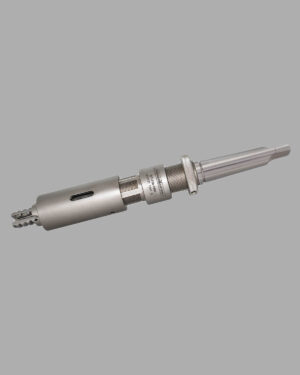

One of those jobs where you really want the right tool for the job is keeping boiler tubes in good repair. A poorly expanded tube can cause leaking, weak joints, repeat repairs, and unnecessary downtime. This is why choosing the right boiler tube expander and a proper tube expander set is a part of planning reliable boiler maintenance.
But different tube sizes, materials, tube sheet thicknesses and working conditions mean it’s not just a case of picking the first tool that fits. The right choice should be in accordance with the application and the type of expansion required.
What Should You Consider Before Choosing a Boiler Tube Expander?
The most important things to consider are the internal diameter of the tube, wall thickness, tube sheet design, and application. The expander should be able to provide the necessary expansion without damaging the tube or providing a non-uniform joint.
Boiler maintenance, for example, may involve water wall tubes, economizer tubes, risers, downcomers or air heater tubes. Different apps have different needs for access and expansion. Knowing these conditions before choosing a tool helps maintenance teams avoid unnecessary adjustments while doing the job.
A good place to start is to identify the tube dimensions and if the application requires parallel expansion, flaring, beading, or some other specific tube preparation process.
Why Does the Right Expander Set Matter?
If you have a set of tube expanders, you’ll have more leeway when maintenance work requires tubes of different dimensions. Instead of one tool to do all jobs, a properly selected set may consist of expanders or components suited to different tube sizes and requirements.
This is especially helpful when dealing with large maintenance jobs where tubes of several different sizes may need to be worked on. Having the correct equipment to hand can help to reduce interruptions caused by having to look for other tools or make unsuitable adjustments.
The trick is not just to select the biggest or most versatile set. The choice should be made on the basis of the real tube dimensions and applications of maintenance work.
How Do Boiler Tube Expanders Support Better Tube Joints?
A boiler tube expander expands the tube against the tube sheet to provide the required fit of the tube to the tube sheet. Proper expansion can lead to a secure connection and reduce problems associated with loose or poorly expanded tubes.
There are a number of different designs of expanders for different applications. Some models are intended for general boiler tube expansion, and some are intended for specific tube sizes or specific maintenance requirements.
For example, compact expanders may be useful where access is limited through headers, hand holes or other tight spaces. In some designs, overlapping rolls are also used to help prevent ridging during expansion. Specialized configurations can be converted for parallel expansion where required.
What Makes a Tube Expander Set Practical for Maintenance Teams?
Practicality is just as important as technical capability. Maintenance teams are often faced with the challenge of working to tight shutdown schedules where every hour equates to production. A suitable tube expander set should therefore be easy to match with the tubes being serviced and appropriate to the working environment.
It is also worth considering accessibility. Boiler components can have restricted working spaces, making compact equipment particularly useful. Tool design, roll arrangement, available sizes, and compatibility with the expansion method should all be reviewed before making a selection.
Keeping commonly required sizes available can also make preparation easier when planned maintenance begins.
How Can the Right Tool Help Reduce Maintenance Problems?
The purpose of choosing the correct boiler tube expander is not just to complete the immediate expansion job. Consistent tube joints ensure reliable operation of the boiler and a reduced chance of repeat intervention due to poorly fitted or under-expanded tubes.
Before starting work, technicians should take tube measurements, check the condition of the tube sheet, select the correct expander, and follow the recommended operating procedure. Such simple checks can avoid mistakes that don’t need to be made, and make the whole maintenance process more predictable.
Conclusion
Boiler maintenance requires tools that match the job rather than a one-size-fits-all approach. From tube dimensions and tube sheet thickness to accessibility and expansion requirements, several factors influence the right equipment choice.
A carefully selected tube expander set gives maintenance teams greater flexibility, while the right boiler tube expander helps achieve the required tube-to-tubesheet connection. When tool selection is treated as part of the maintenance strategy, tube expansion becomes a more controlled and dependable part of boiler servicing.