
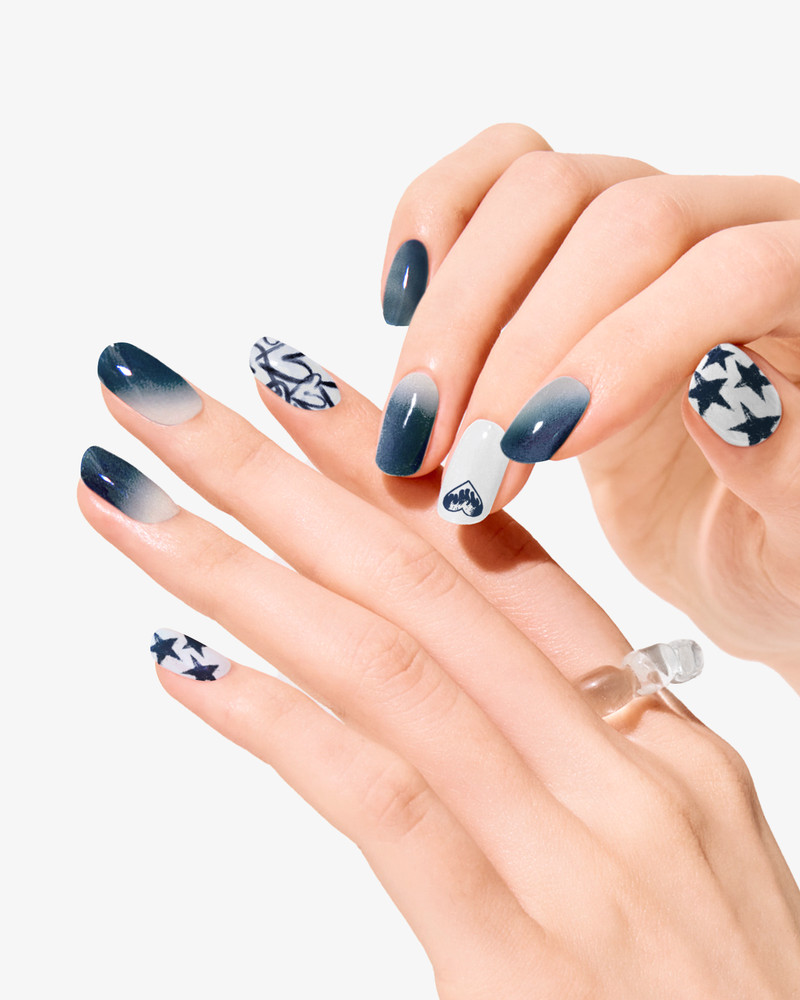

A beautiful gel polish color may catch attention, but it takes much more than a pretty shade to build a polish line customers trust. Texture, curing performance, durability, packaging, and even how the color looks under different lighting can determine whether a product becomes a repeat purchase or gets forgotten.
For brands planning a private-label or custom nail collection, choosing the right Custom Gel Polish means looking beyond the bottle. The goal is to find a formula and manufacturing partner that fit your brand identity, target customers, price point, and quality expectations.
Whether you are launching your first nail polish collection or expanding an established beauty business, the selection process deserves careful planning. A reliable product can strengthen your reputation, while inconsistent quality can quickly lead to complaints and poor reviews.
Start With Your Brand Identity
Before contacting a gel polish manufacturer, define what your brand should represent. Your formula, colors, packaging, and finish should all support the same positioning.
For example, a salon-focused brand may prioritize professional performance, strong pigmentation, and long wear. A fashion-oriented brand might focus more heavily on seasonal colors, unusual finishes, and visually appealing packaging.
Ask yourself:
- Who is the primary customer?
- Is the product aimed at salons, nail technicians, home users, or retailers?
- What price range will the collection occupy?
- Will the brand feel luxurious, affordable, trendy, minimalist, or professional?
- Which nail polish finishes fit the brand image?
Having clear answers makes it easier to narrow down formulas and product specifications.
Evaluate the Gel Polish Formula
The formula is one of the most important parts of the product because customers experience it directly during application and wear.
A good gel polish should have a predictable consistency. If it is too thick, application can become difficult and uneven. If it is too thin, the product may run toward the cuticle or require multiple coats for acceptable coverage.
Look for a formula that offers:
- Smooth application
- Consistent viscosity
- Good pigmentation
- Even coverage
- Suitable curing performance
- Reliable adhesion
- A smooth final finish
- Reasonable wear resistance
The right balance matters. A polish that looks excellent in the bottle but performs poorly during application will not create a strong customer experience.
Pay Attention to Pigmentation
Highly pigmented gel polish can reduce the number of coats needed to achieve the intended color. This can make application faster and help professional users work more efficiently.
However, heavy pigmentation should not automatically be treated as better. The product still needs to cure properly according to the manufacturer’s instructions.
Ask suppliers about recommended application thickness, curing times, and compatible LED or UV lamps. These details can affect the finished result.
Test the Color Before Ordering in Bulk
A digital color chart is useful, but it should never be the only basis for selecting your shades.
Colors can appear different depending on lighting, screen settings, background colors, and photography. A shade that looks like a warm beige online may appear cooler or darker when applied to a nail tip.
Always request physical samples before committing to a large production order.
Test your samples under several conditions:
- Natural daylight
- Indoor lighting
- Salon lighting
- Different nail tip colors
- One-coat and two-coat application
- Different curing lamps, where appropriate
This simple process can prevent expensive mistakes.
Build a Practical Shade Collection
A new brand does not necessarily need dozens of colors immediately. A carefully selected collection can be more effective than an oversized catalog with little variety.
Consider creating a balanced range that includes everyday and statement shades.
A starter collection might include:
- Soft nude
- Classic pink
- Milky white
- Deep red
- Neutral brown
- Black
- Seasonal pastel
- Metallic or shimmer shade
- Deep burgundy
- A distinctive signature color
The exact selection should reflect your audience. A youthful fashion brand may benefit from brighter and more experimental colors, while a professional salon line might lean toward neutrals, reds, pinks, and sophisticated seasonal shades.
Consider Different Finishes
Color is only one part of the visual experience. Finish can make a familiar shade feel completely different.
Depending on your positioning, you may consider:
- Glossy
- Matte
- Glitter
- Shimmer
- Metallic
- Pearl
- Cat-eye
- Chrome-style effects
- Sheer or translucent finishes
You do not need to use every finish. Instead, select those that make sense for your collection and manufacturing capabilities.
A cohesive range usually looks more professional than a random mixture of colors and effects.
Check Ingredient and Safety Information
Beauty customers are increasingly interested in what goes into the products they use. Brands therefore need clear and reliable product information.
Ask the manufacturer for relevant documentation about the formula, ingredients, product specifications, and applicable testing or compliance requirements for your target market.
Depending on where you intend to sell, regulatory expectations may differ. A product intended for one market may require different documentation or labeling for another.
It is also important to avoid making unsupported claims such as “non-toxic,” “hypoallergenic,” or “chemical-free.” These terms can have regulatory and consumer-trust implications.
A responsible manufacturer should be able to explain the product specifications clearly rather than relying on vague marketing language.
Examine Packaging as Carefully as the Formula
Customers interact with the bottle before they ever use the polish. Packaging therefore plays an important role in brand perception.
Think about the entire presentation:
- Bottle shape
- Cap design
- Brush quality
- Label layout
- Product name
- Color identification
- Box or outer packaging
- Ingredient information
- Batch or production information
- Barcode requirements
- Brand logo
The brush deserves particular attention. Even an excellent formula can feel frustrating if the brush spreads unevenly or makes precise application difficult.
Make the Packaging Match Your Positioning
Imagine two products containing similar formulas. One comes in plain packaging with unclear labeling, while the other has a polished, consistent visual identity.
The second product will often feel more credible before the customer even opens it.
That does not mean packaging has to be expensive. Good design is often more about consistency than extravagance.
Assess the Manufacturer, Not Just the Product
Choosing a gel polish supplier is also a supplier-selection decision.
A manufacturer should be able to communicate clearly about production, customization, minimum order quantities, packaging, lead times, and quality control.
Look for a partner that can answer questions such as:
- What customization options are available?
- Can the formula be adjusted?
- What is the minimum order quantity?
- How are color samples approved?
- What quality-control procedures are followed?
- What packaging options are available?
- How long does production normally take?
- What documentation can be provided?
- How are defective or inconsistent batches handled?
A manufacturer that gives detailed answers before the order is generally easier to work with throughout the product-development process.
Do Not Ignore Minimum Order Quantities
Minimum order quantity, commonly called MOQ, can significantly affect your launch strategy.
A large MOQ may reduce the unit price but create more financial risk for a new brand. You could end up holding thousands of bottles of a color that customers do not prefer.
For a first launch, it may be smarter to work with quantities that match your realistic sales expectations.
For example, suppose a small beauty brand wants to launch ten colors. Ordering a huge quantity of every shade could tie up cash and storage space. Starting with a smaller validated collection may allow the company to learn which colors sell before expanding.
The cheapest unit price is not always the lowest overall business cost.
Compare Samples on Performance, Not Appearance
Create a simple testing sheet for every sample you receive. This makes supplier comparisons much easier.
Score each product from 1 to 5 for:
| Test Area | What to Evaluate |
|---|---|
| Application | Smoothness and control |
| Coverage | Number of coats required |
| Pigmentation | Color intensity and consistency |
| Curing | Performance under recommended lamp conditions |
| Finish | Gloss, smoothness, or intended effect |
| Wear | Resistance during normal use |
| Brush | Precision and ease of application |
| Packaging | Quality and visual presentation |
| Color accuracy | Match between sample and approved shade |
You can then compare manufacturers using actual observations rather than relying on sales descriptions.
Think About Your Target Market
A professional nail technician may judge gel polish differently from a casual home user.
Salon professionals may care about application speed, consistency, curing behavior, bottle usability, and wear performance. Home users may place greater emphasis on easy application, attractive colors, packaging, and simple instructions.
Retail buyers may also consider shelf appeal, price, packaging dimensions, product differentiation, and sales potential.
Understanding these expectations helps you create a product that solves a real customer need instead of simply adding another bottle to the market.
Look at Long-Term Product Development
A strong gel polish brand should be able to grow.
When selecting a manufacturer, think beyond your first collection. You may eventually want to introduce:
- Seasonal colors
- Limited-edition collections
- New finishes
- Base coats
- Top coats
- Builder products
- Nail art products
- Professional salon ranges
A manufacturer capable of supporting future product development can save you the trouble of repeatedly changing suppliers.
Consistency also matters. Customers expect a brand’s signature shades to remain recognizable from one purchase to the next.
A Simple Example: Choosing Between Two Suppliers
Imagine a startup receives samples from two manufacturers.
Supplier A offers a lower price and a large color catalog, but the samples show inconsistent viscosity and several shades look different from the approved digital references.
Supplier B costs slightly more but provides consistent samples, clear product documentation, dependable packaging options, and a structured approval process.
For a brand focused on long-term reputation, Supplier B may be the stronger choice.
The lesson is simple: price should be part of the decision, but it should not make the decision by itself.
Questions to Ask Before Placing Your First Order
Before signing off on production, create a final checklist.
Product Questions
- Is the formula suitable for the intended market?
- Does the consistency feel right?
- Does the color match the approved sample?
- Are curing instructions clear?
- Does the finish meet expectations?
Manufacturing Questions
- What is the MOQ?
- What is the estimated production timeline?
- How is quality controlled?
- What happens if a batch does not meet specifications?
- Can future batches maintain the same color and consistency?
Branding Questions
- Can the manufacturer support private-label packaging?
- Can labels and boxes be customized?
- Are custom bottle options available?
- Can the manufacturer support future collections?
Business Questions
- Does the pricing leave enough margin?
- What are shipping and packaging costs?
- How much inventory can you realistically store?
- What quantity makes sense for your first launch?
Answering these questions before production can save both money and frustration.
Final Thoughts
Choosing the best gel polish for your brand is not simply about finding attractive colors at a good price. It is about balancing formula quality, application performance, shade selection, packaging, customer expectations, regulatory considerations, manufacturing reliability, and long-term business goals.
Start with your brand identity, request physical samples, test products carefully, compare suppliers objectively, and avoid placing a large order before you are confident in the formula and presentation.
Most importantly, think like your customer. If the polish is easy to apply, looks consistent, performs as expected, and arrives in packaging that feels trustworthy, you are giving your brand a much stronger foundation for repeat sales and positive reviews.
The best custom gel polish is ultimately the one that fits your customers, your positioning, and your quality standards—not simply the one with the lowest quotation.