
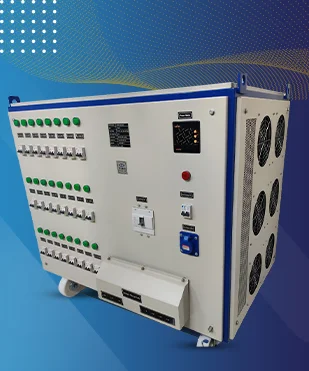

Custom engineering plays a crucial role in the design and production of inductive load banks for industries with specialized power testing requirements. Standard equipment may not always meet the technical demands of complex electrical systems, making tailored solutions essential for achieving accurate and reliable testing. Experienced manufacturers combine engineering expertise, advanced technology, and rigorous quality control to deliver load banks that fit unique applications.
Working with a trusted inductive load banks manufacturer allows businesses to develop customized solutions based on specific operational, electrical, and environmental requirements. From the initial consultation to final testing, manufacturers follow a structured engineering process to ensure every load bank performs as expected.
Understanding Project Requirements
Every custom engineering project begins with a detailed assessment of the customer’s needs. Manufacturers work closely with clients to understand the intended application, operating conditions, and performance expectations.
Important factors considered during this stage include:
- Voltage and frequency requirements
- Load capacity
- Power factor
- Installation location
- Environmental conditions
- Control and monitoring preferences
A clear understanding of these requirements forms the foundation of a successful custom solution.
Engineering Design and Planning
Once project specifications are established, engineers begin designing the load bank using advanced software and simulation tools. This process helps verify performance before manufacturing begins.
During the design phase, engineers focus on:
- Electrical circuit design
- Structural layout
- Cooling system optimization
- Safety protection features
- Component selection
- Space utilization
Careful planning helps minimize design revisions and ensures the final product meets technical requirements.
Customized Component Selection
Custom projects often require specialized components that differ from those used in standard models.
Manufacturers may select components based on:
- High-current applications
- Unique voltage ratings
- Environmental durability
- Continuous-duty operation
- Specialized control systems
Choosing the right components improves equipment reliability and extends service life.
Flexible Manufacturing Capabilities
Experienced manufacturers maintain production facilities capable of handling both standard and custom orders. Flexible manufacturing processes allow them to produce equipment with unique dimensions, electrical specifications, and operational features.
Examples of customization include:
- Portable or stationary designs
- Indoor or outdoor enclosures
- Modular configurations
- Weather-resistant construction
- Custom cable connections
- Specialized cooling solutions
This flexibility enables manufacturers to support a wide variety of industrial applications.
Advanced Digital Control Systems
Many custom engineering projects incorporate intelligent control technologies that improve testing accuracy and operational convenience.
Modern control options may include:
- Touchscreen interfaces
- Programmable testing sequences
- Remote operation
- Real-time monitoring
- Data logging
- Network communication capabilities
These features provide operators with greater control over testing procedures while improving efficiency.
Comprehensive Quality Control
Quality assurance remains a priority throughout every stage of production. Manufacturers perform multiple inspections to ensure the equipment meets design specifications and industry standards.
Quality control procedures often include:
- Material inspections
- Electrical testing
- Mechanical verification
- Wiring inspections
- Functional performance testing
- Safety evaluations
These measures help ensure the final product operates safely and consistently.
Factory Acceptance Testing
Before delivery, custom inductive load banks undergo extensive factory acceptance testing to verify performance under simulated operating conditions.
Testing typically includes:
- Load capacity verification
- Voltage and current measurements
- Power factor validation
- Temperature monitoring
- Protection system checks
- Continuous operational testing
Successful testing provides confidence that the equipment is ready for installation and field operation.
Ongoing Customer Collaboration
Custom engineering projects often involve regular communication between the manufacturer and the customer. Design reviews, progress updates, and technical consultations help ensure the final product meets project expectations.
This collaborative approach allows adjustments to be made during development while maintaining project timelines and quality standards.
After-Sales Engineering Support
The engineering process continues even after delivery. Reliable manufacturers provide ongoing technical support to help customers maximize equipment performance.
Support services commonly include:
- Installation assistance
- Operator training
- Maintenance recommendations
- Troubleshooting guidance
- Spare parts support
- Future upgrade consultations
Long-term support helps extend equipment lifespan and ensures continued operational reliability.
Conclusion
Custom engineering projects require a combination of technical expertise, flexible manufacturing, and close collaboration between manufacturers and customers. By carefully evaluating project requirements, designing tailored solutions, implementing strict quality control, and providing comprehensive support, experienced manufacturers deliver inductive load banks that meet the demands of specialized applications.
Choosing a manufacturer with strong custom engineering capabilities ensures organizations receive reliable, high-performance equipment that supports accurate power testing and long-term operational success.