
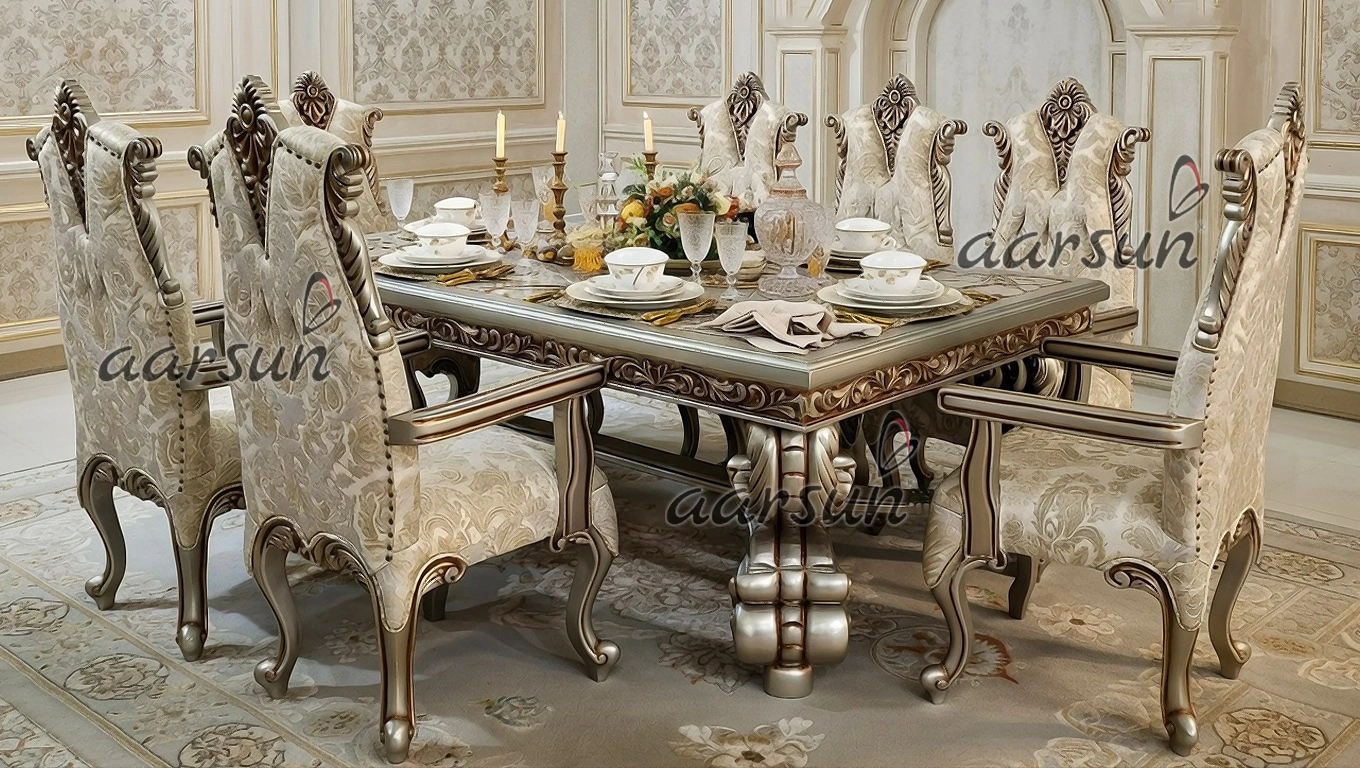

Custom dining room furniture has become increasingly popular as homeowners, interior designers, retailers, and hospitality businesses seek unique pieces that reflect specific design preferences and functional needs. Rather than selecting standard products, many buyers prefer furniture tailored to their space, style, and project requirements. This growing demand has encouraged manufacturers to develop streamlined processes for handling custom design requests while maintaining quality and production efficiency.
A successful custom furniture project depends on clear communication, careful planning, and skilled craftsmanship. Working with an experienced Dining Room Furniture Manufacturer allows buyers to collaborate on every stage of the design process, ensuring the finished furniture meets both aesthetic expectations and practical requirements.
Understanding Customer Requirements
The first step in any custom furniture project is gathering detailed information about the customer’s needs. Manufacturers work closely with buyers to understand both design preferences and functional requirements.
Important details typically include:
- Furniture dimensions
- Seating capacity
- Design style
- Material preferences
- Color selections
- Intended use
A clear project brief helps minimize misunderstandings and creates a strong foundation for production.
Design Consultation
Once the initial requirements are established, manufacturers often provide design consultations to refine the concept before production begins.
During this stage, discussions may cover:
- Table shapes
- Chair styles
- Surface finishes
- Upholstery options
- Structural features
- Space planning considerations
This collaborative process ensures the design is practical as well as visually appealing.
Material Selection
Choosing the right materials is essential for achieving the desired appearance, durability, and performance.
Manufacturers commonly offer:
- Solid hardwood
- Engineered wood
- Powder-coated steel
- Tempered glass
- Premium upholstery fabrics
- Eco-friendly finishes
Material recommendations are often based on the project’s budget, usage, and overall design goals.
Creating Technical Drawings
Before production begins, manufacturers prepare technical drawings or production specifications that outline every aspect of the furniture.
These documents typically include:
- Product dimensions
- Construction details
- Material specifications
- Finish selections
- Hardware placement
Accurate documentation helps ensure every piece is manufactured according to the approved design.
Prototype Development
For highly customized or large commercial projects, manufacturers may produce a prototype before full-scale production.
A prototype allows buyers to evaluate:
- Appearance
- Comfort
- Dimensions
- Functionality
- Material quality
Any necessary adjustments can be made before the complete order is manufactured.
Precision Manufacturing
Once the design is approved, production begins using carefully planned manufacturing processes. Skilled craftsmen and modern equipment work together to ensure consistent results.
Production typically involves:
- Precision cutting
- Frame assembly
- Joinery
- Surface finishing
- Upholstery installation
Attention to detail during manufacturing is essential for achieving the desired quality.
Quality Control Throughout Production
Custom furniture requires the same rigorous quality standards as standard production, often with additional inspections due to the unique specifications.
Quality checks commonly include:
- Material verification
- Dimensional accuracy
- Assembly inspection
- Finish evaluation
- Final product testing
Continuous quality control ensures the completed furniture matches the approved design.
Customer Communication
Effective communication remains important throughout the project. Reliable manufacturers keep customers informed about production progress and expected delivery schedules.
Regular updates may include:
- Production milestones
- Material availability
- Completion estimates
- Shipping arrangements
- Final inspection results
Transparent communication helps maintain confidence throughout the manufacturing process.
Packaging and Delivery
Custom furniture often represents a significant investment, making proper packaging essential during transportation.
Manufacturers typically protect products using:
- Reinforced cartons
- Foam corner protectors
- Protective wrapping
- Moisture-resistant materials
- Secure pallet packaging
These measures help ensure furniture arrives in excellent condition.
Benefits of Custom Furniture Manufacturing
Custom furniture offers several advantages over standard, mass-produced options.
Key benefits include:
- Personalized design
- Better space utilization
- Higher flexibility
- Unique visual appeal
- Long-term functionality
Custom solutions allow buyers to create dining spaces that meet their exact requirements while reflecting their individual style.
Questions to Ask Before Requesting a Custom Design
Before starting a custom furniture project, consider asking the manufacturer:
- What customization options are available?
- Can technical drawings be reviewed before production?
- Is a prototype available if needed?
- What materials are recommended?
- How is quality controlled?
- What is the estimated production timeline?
These questions help establish clear expectations and support a successful collaboration.
Conclusion
Handling custom design requests requires careful planning, skilled craftsmanship, and close communication between the manufacturer and the customer. From understanding project requirements and selecting materials to creating technical drawings and maintaining quality control, every step contributes to a finished product that combines functionality, durability, and distinctive design.
By partnering with an experienced manufacturer, buyers can transform their ideas into custom dining room furniture that meets their unique needs while delivering lasting quality and value.