
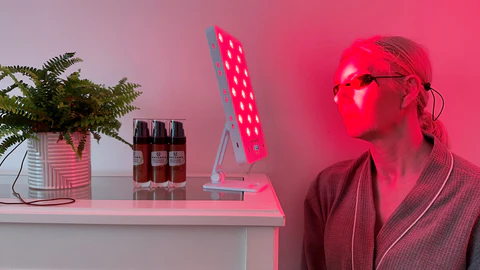

Red light technology has become an essential part of modern lighting systems due to its efficiency, durability, and controlled output. It is widely used across wellness, industrial, and creative industries where consistent illumination is required.
A red led panel light is designed to deliver stable red and near-infrared wavelengths using advanced LED technology. Its ability to produce precise light output while consuming minimal energy has made it a popular choice for both professional and personal applications.
The Basic Working Principle of Red LED Panel Lights
Red LED panel lights operate using semiconductor technology. When electrical current passes through LED chips, it excites electrons within the material, producing light at specific wavelengths.
Unlike traditional bulbs that rely on heat generation, LEDs convert electrical energy directly into light. This makes the system more efficient and reduces unnecessary energy loss.
The emitted light is typically within the red spectrum (630–660 nm) or near-infrared range (810–850 nm), depending on the design and intended use.
How LED Panels Maintain Stable Light Output
One of the key strengths of red LED panel lights is their ability to maintain consistent brightness and wavelength output over time.
This stability is achieved through:
- Precision-engineered LED chips
- Constant current driver circuits
- Efficient heat dissipation systems
- Balanced internal panel design
These components work together to ensure that the light remains uniform and reliable during extended use.
Role of Semiconductor Technology
At the core of every LED panel is semiconductor technology. This material determines the wavelength and efficiency of light production.
When energized, electrons move across the semiconductor junction and release photons. The energy level of these photons determines the color of the light produced.
This process allows manufacturers to precisely control the output wavelength, ensuring consistent red or near-infrared light.
Heat Management and Performance Efficiency
Heat management is a crucial factor in LED performance. Excess heat can reduce efficiency and shorten the lifespan of the device.
Red LED panel lights are designed with:
- Aluminum heat sinks for cooling
- Low-heat LED operation
- Ventilated panel structures
- Temperature-resistant components
These features help maintain stable operation even during long usage sessions.
Why Red LED Panel Lights Are Widely Used
The popularity of red LED panel lights is due to their versatility and performance advantages. They are used in multiple industries because they provide reliable lighting with low energy consumption.
Energy Efficiency
LED panels consume significantly less power compared to traditional lighting systems while producing the same or better light output.
Long Lifespan
These devices can operate for thousands of hours with minimal performance degradation, reducing replacement frequency.
Stable Light Quality
Consistent wavelength output ensures reliable performance in applications that require uniform lighting conditions.
Low Maintenance Requirements
LED systems require very little maintenance compared to older lighting technologies, making them cost-effective over time.
Common Applications of Red LED Panel Lights
Red LED panel lights are used in a variety of fields due to their adaptability and efficiency.
Wellness and Light-Based Applications
In wellness environments, they are used for controlled light exposure routines where stable red and near-infrared wavelengths are important.
Photography and Video Production
In creative industries, red LED panels help create controlled lighting effects and improve visual consistency in studio environments.
Industrial and Laboratory Use
These panels are used in controlled environments where stable lighting conditions are necessary for testing and research processes.
Architectural Lighting
Modern architectural designs often incorporate LED panels for ambient and decorative lighting due to their slim design and energy efficiency.
Factors That Influence Performance
Several factors affect how efficiently a red LED panel light performs:
- Quality of LED chips
- Power regulation systems
- Heat dissipation design
- Environmental conditions
- Usage duration and intensity
Higher-quality systems are designed to minimize performance fluctuations over time.
Advantages Over Traditional Lighting Systems
Compared to incandescent or fluorescent lighting, red LED panel lights offer several advantages:
- Lower energy consumption
- Reduced heat output
- Longer operational lifespan
- Greater design flexibility
- More precise wavelength control
These advantages make them a preferred choice in modern lighting applications.
Maintenance and Long-Term Use
Although LED panels require minimal upkeep, proper care ensures consistent performance over time.
Recommended maintenance practices include:
- Keeping the surface clean and dust-free
- Avoiding physical damage or pressure
- Ensuring stable power supply conditions
- Periodic inspection of cables and connections
These simple steps help maintain long-term efficiency.
Conclusion
A red LED panel light works through advanced semiconductor technology that produces precise wavelengths with high efficiency and stability. Its ability to deliver consistent lighting while consuming minimal energy explains its widespread use across multiple industries.
With benefits such as durability, energy efficiency, and versatile applications, red LED panel lights continue to play an important role in modern lighting systems and are expected to see even broader adoption in the future.