
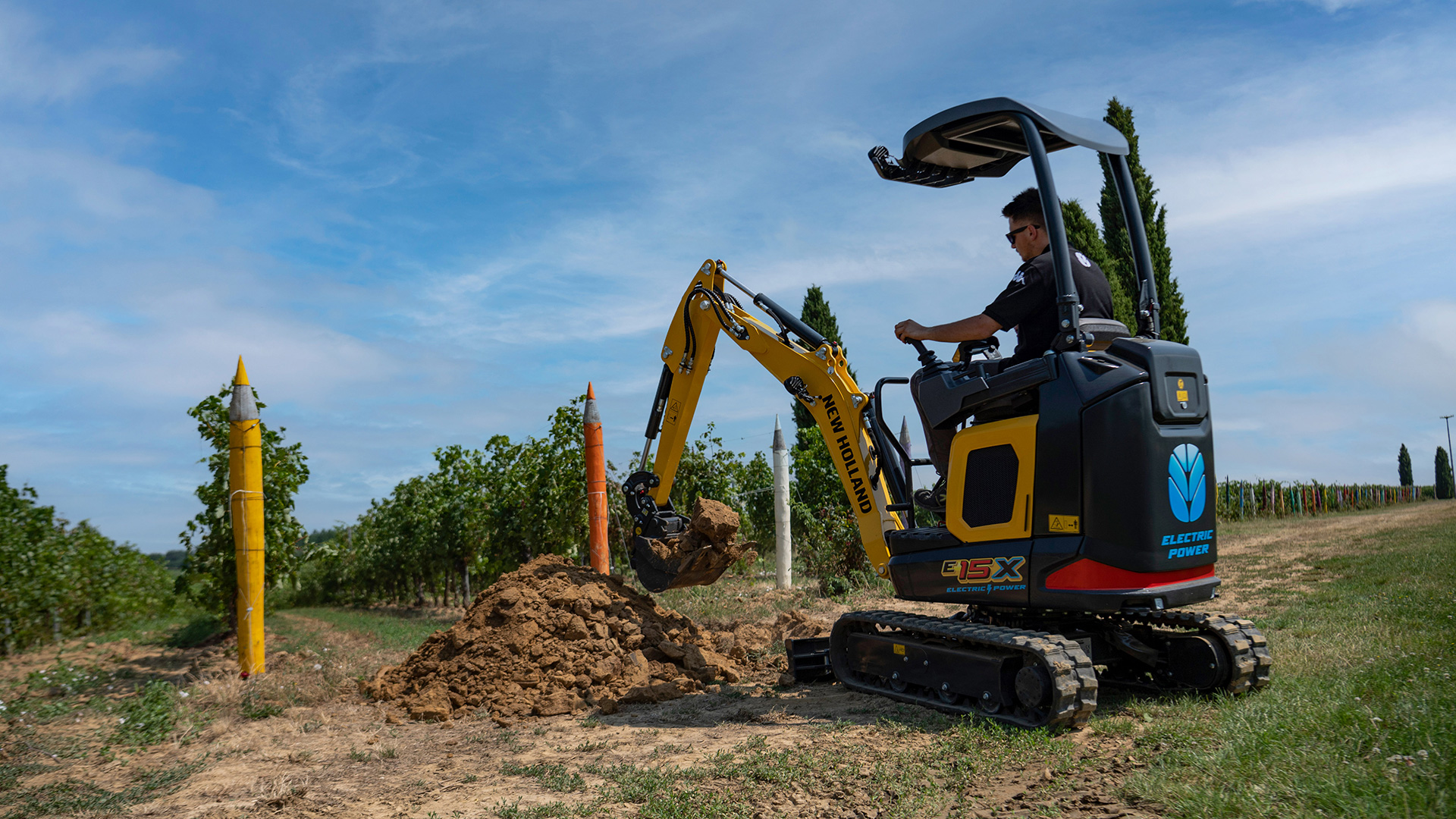

Electric mini excavators are increasingly used in modern construction due to their efficiency, compact size, and reduced environmental impact. As job sites become more demanding and time-sensitive, maximizing productivity has become a key priority for contractors and equipment operators.
When working with an electric mini excavator, productivity depends not only on machine performance but also on how it is operated and maintained. Understanding the key influencing factors and best practices can significantly improve job site efficiency.
Understanding Productivity in Electric Mini Excavators
Productivity refers to how effectively an electric mini excavator completes tasks such as digging, lifting, and trenching within a given time. It is influenced by machine efficiency, operator skill, battery performance, and job site conditions.
Unlike diesel machines, electric models rely heavily on energy management, making efficiency optimization even more important.
Key Factors That Affect Productivity
Battery Capacity and Runtime
Battery capacity directly determines how long the machine can operate before needing a recharge. Longer runtime reduces interruptions and increases continuous working hours.
However, productivity is not only about capacity but also about how efficiently energy is used during operation.
Hydraulic System Efficiency
The hydraulic system controls digging power and movement speed. Efficient hydraulic systems ensure smooth operation and reduce energy waste.
Poor hydraulic performance can slow down cycle times and reduce overall productivity.
Cycle Time and Machine Responsiveness
Cycle time refers to the duration required to complete one full operation cycle, including digging, lifting, and dumping. Faster cycle times lead to higher productivity.
Electric mini excavators often provide smooth and responsive control, which helps reduce cycle time.
Job Site Conditions
Terrain and environment significantly affect productivity. Soft soil allows faster excavation, while rocky or compact ground increases resistance and energy consumption.
Proper site preparation can improve machine efficiency.
Operator Skill and Efficiency
Operator performance plays a major role in productivity. Skilled operators can:
- Optimize digging angles
- Reduce unnecessary movements
- Manage energy consumption efficiently
- Improve cycle speed
Training and experience directly impact job site output.
Machine Size and Application Matching
Selecting the right size electric mini excavator for the job is essential. Undersized machines may struggle with heavy tasks, while oversized machines may waste energy in light applications.
Proper matching ensures balanced performance and efficiency.
Battery Management for Maximum Output
Effective battery use is critical for maintaining productivity throughout the workday. Best practices include:
- Avoiding deep discharge cycles
- Charging during planned breaks
- Monitoring energy consumption
- Using efficient work patterns
Good battery management reduces downtime and extends operating hours.
Hydraulic Optimization Techniques
Hydraulic systems should be used efficiently to avoid unnecessary energy loss. Smooth and controlled movements help maintain consistent performance and reduce strain on the system.
Avoiding abrupt or excessive movements improves both efficiency and machine lifespan.
Maintenance and Equipment Reliability
Regular maintenance ensures consistent productivity. Electric mini excavators require less maintenance than diesel machines, but routine checks are still necessary.
Key maintenance tasks include:
- Inspecting hydraulic systems
- Monitoring battery health
- Checking electrical connections
- Ensuring proper lubrication of moving parts
Reliable equipment reduces downtime and unexpected failures.
Charging Strategy and Downtime Reduction
Efficient charging planning is essential for continuous operation. Contractors often schedule charging during breaks, shift changes, or overnight periods.
Fast-charging systems can also reduce downtime on busy job sites.
Environmental Impact on Productivity
Environmental conditions such as temperature and humidity can affect battery performance and machine efficiency. Extreme conditions may reduce runtime or slow down operations.
Proper planning helps minimize environmental impact on productivity.
Best Practices for Operational Efficiency
To maximize performance, operators should follow best practices such as:
- Using smooth and consistent control inputs
- Avoiding unnecessary idling
- Matching attachments to tasks
- Planning efficient work sequences
These practices help improve overall job site output.
Attachment Selection and Versatility
Using the right attachment for each task improves productivity significantly. Buckets, augers, and breakers each serve specific functions and help expand machine capabilities.
Quick attachment switching reduces downtime and increases flexibility.
Future Improvements in Productivity
Advancements in electric mini excavator technology are expected to improve productivity further. Innovations in battery capacity, energy efficiency, and automation will enhance performance and reduce operational limitations.
These developments will make electric machines even more competitive in construction environments.
Conclusion
Productivity in electric mini excavators depends on multiple factors, including battery efficiency, hydraulic performance, operator skill, and job site conditions. By following operational best practices and optimizing machine usage, contractors can significantly improve efficiency. When using an electric mini excavator, focusing on smart operation and proper planning ensures higher output, reduced downtime, and better overall project performance.