
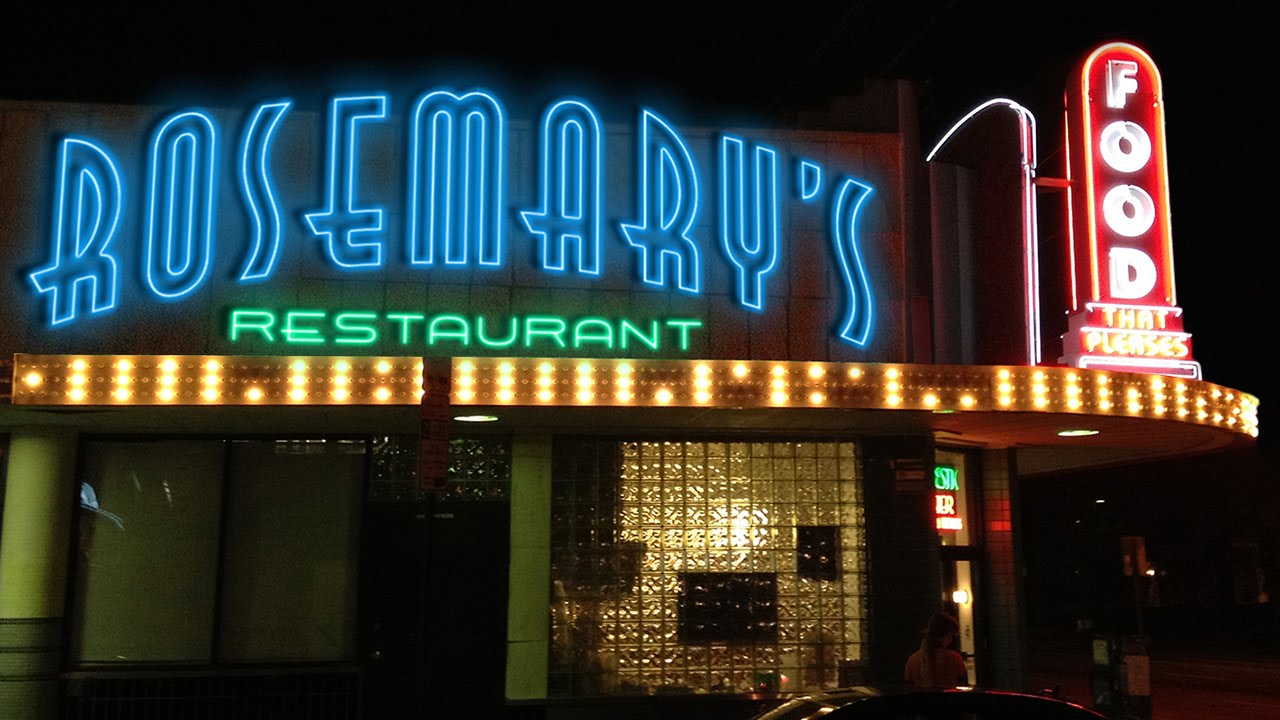

Outdoor signage is one of the most influential tools for attracting customers and building brand recognition. For businesses operating in competitive environments, the right combination of size and shape can determine how effectively a sign captures attention and communicates a message. Neon-style lighting offers exceptional flexibility, allowing businesses to tailor signage to their exact requirements.
Whether used for storefront branding, promotional displays, or decorative accents, signage must be designed with both visibility and spatial constraints in mind. A well-planned custom outdoor neon sign can significantly enhance storefront appeal while ensuring optimal readability from various distances.
Choosing the right custom outdoor neon sign involves more than selecting colors or fonts. Size and shape play a critical role in how the sign performs in real-world conditions, especially in busy commercial areas.
Why Size and Shape Matter in Outdoor Signage
The effectiveness of outdoor signage depends heavily on how easily it can be seen and understood. If a sign is too small, it may go unnoticed. If it is too large or overly complex, it can overwhelm the viewer or clash with the building’s architecture.
Size and shape influence:
- Readability from different viewing distances
- Visual balance with storefront design
- Brand recognition and recall
- Overall aesthetic appeal
A well-balanced design ensures that the sign enhances rather than distracts from the business environment.
Choosing the Right Size for Your Business Location
Selecting the correct size depends on several environmental and architectural factors. Businesses must consider how far away potential customers will view the sign and what surrounding visual elements may compete for attention.
Key considerations include:
- Distance from road or pedestrian traffic
- Height and width of the building facade
- Presence of nearby competing signage
- Indoor vs. outdoor visibility requirements
General sizing approaches:
- Small signs: Ideal for cafes, boutique shops, and indoor-facing windows
- Medium signs: Suitable for most retail storefronts and restaurants
- Large signs: Best for high-traffic roads, malls, and commercial complexes
Proper scaling ensures maximum visibility without overwhelming the space.
Popular Shapes Used in Neon Sign Design
Shape is just as important as size when it comes to visual impact. Different shapes communicate different brand messages and suit different types of businesses.
Common neon sign shapes include:
- Text-based designs: Focused on brand names or slogans
- Logo outlines: Ideal for brand recognition and identity reinforcement
- Circular or badge-style signs: Often used for cafes and casual dining
- Rectangular panels: Suitable for structured, professional branding
- Custom artistic shapes: Used for creative or themed businesses
Each shape offers a different visual experience and should align with the business’s overall branding strategy.
How Shape Affects Visibility and Readability
While creative shapes can enhance aesthetics, they must also support readability. Overly intricate designs may reduce clarity, especially at night or from a distance.
To maintain visibility:
- Keep text elements simple within complex shapes
- Ensure adequate spacing between design components
- Avoid excessive curves that distort readability
- Prioritize brand name clarity over decorative detail
A balance between creativity and functionality is essential for effective signage.
Matching Size and Shape with Brand Identity
A well-designed neon sign should reflect the personality of the business. Size and shape choices should align with brand tone and customer expectations.
For example:
- Restaurants often prefer warm, inviting shapes with medium-sized signage
- Retail stores benefit from bold, rectangular or high-contrast designs
- Cafes may use soft, rounded shapes for a relaxed aesthetic
- Luxury brands often choose minimal, clean, and structured layouts
Consistency between signage and brand identity helps reinforce recognition and trust.
Installation Considerations for Different Sizes
Larger signs require stronger mounting systems and more careful installation planning. Smaller signs, while easier to install, still require strategic placement for visibility.
Important installation factors include:
- Wall strength and structural support
- Wind exposure for larger outdoor signs
- Electrical load requirements
- Viewing angle optimization
Proper installation ensures that the chosen size and shape perform effectively over time.
Conclusion
Size and shape are fundamental elements in designing effective outdoor neon signage. When carefully planned, they enhance visibility, improve brand communication, and create a strong visual presence in any commercial environment. Businesses must consider location, architecture, and branding goals when making design decisions.
By selecting the right custom outdoor neon sign, businesses can ensure their signage is not only visually appealing but also strategically optimized for maximum impact in real-world conditions.