
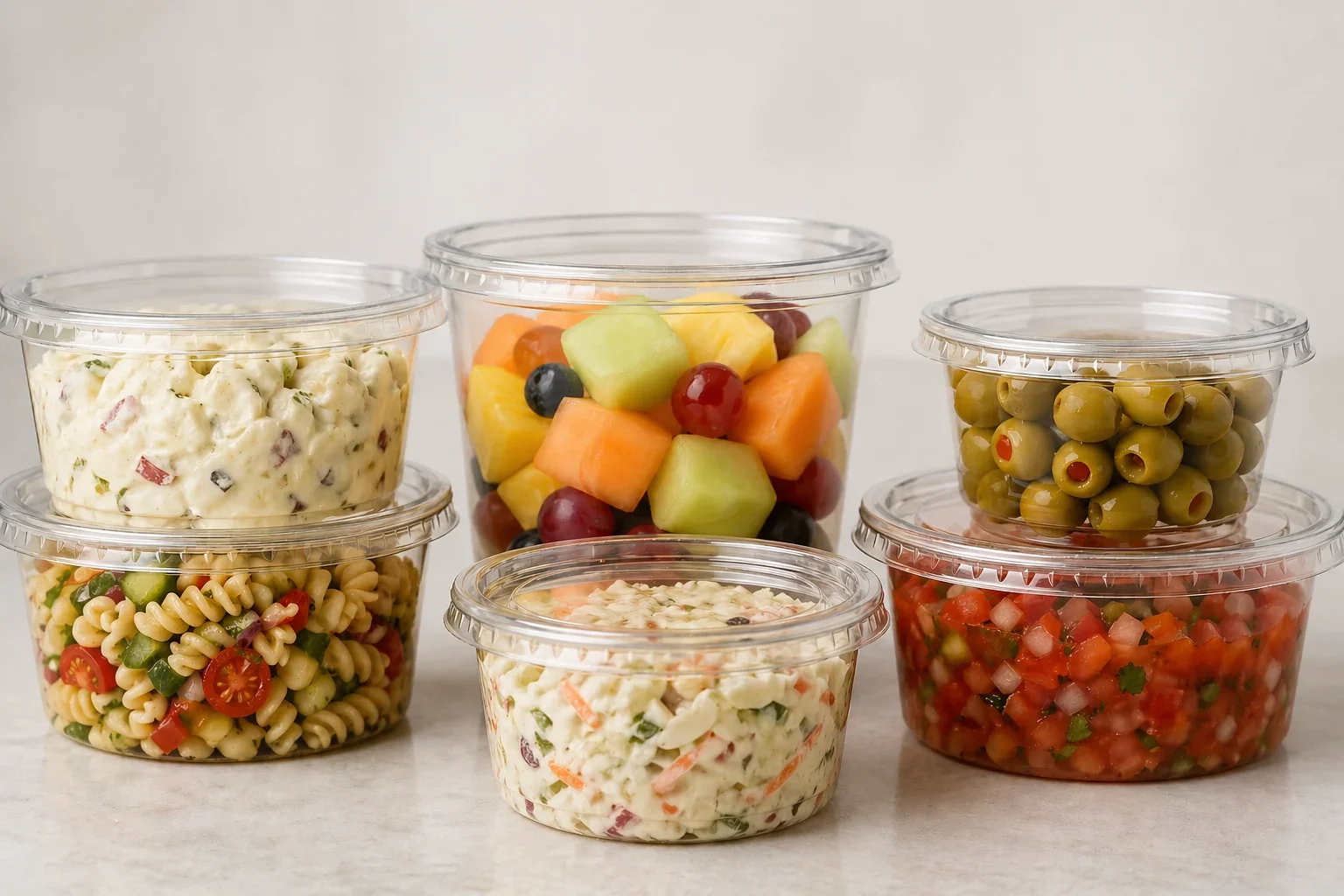

Food packaging used every day needs to be practical, reliable, and easy to handle. Whether containers are used in restaurants, catering operations, meal preparation, or food storage, small design details can have a noticeable effect on workflow.
When comparing Deli Containers, businesses should consider features that support filling, closing, storing, transporting, and identifying food. LRpacking is one supplier that businesses can review when comparing container designs and product specifications.
Multiple Size Options
Having different container capacities makes it easier to match packaging with different food portions. Smaller containers can accommodate sauces and sides, while medium and larger options can be used for meals, salads, soups, and prepared foods.
A range of sizes also helps businesses avoid using oversized containers for small portions, which can take up unnecessary storage space.
Secure-Fitting Lids
A dependable lid is one of the most useful features of a deli container. A properly fitted closure helps protect food and reduces the risk of spills during handling.
Lids should be easy to attach while remaining secure during normal storage and transportation. Always check that the lid is designed specifically for the selected container.
Stackable Design
Stackable containers can make better use of refrigerator, freezer, and storage space. Stable stacking is particularly useful for businesses that prepare and store large quantities of food.
Before purchasing, test filled containers to see whether they remain stable when stacked. The lid and container design should work together to provide a secure stack.
Transparent Construction
Clear containers allow users to see the contents without opening the package. This can make it easier for employees to identify prepared foods and organize refrigerated inventory.
Visibility can also be useful for takeaway and display applications, where the appearance of the food is part of the customer experience.
Easy-to-Handle Shape
A practical shape can make containers easier to fill, carry, store, and clean. Straight or consistent sides may also help maximize available shelf space.
Consider how employees will handle the containers throughout the day. A container that is comfortable to grip and easy to organize can support a smoother packaging routine.
Consistent Dimensions
Consistent container dimensions make storage and inventory management simpler. Containers of similar sizes can often be arranged systematically on shelves or inside storage boxes.
Consistency is also useful when businesses use standardized packaging procedures for different food products.
Suitable Durability
Daily-use containers need to withstand routine handling without easily cracking or deforming. Durability becomes especially important when containers are filled, stacked, refrigerated, or transported.
When evaluating a product, consider the material specifications and, when possible, test samples under realistic working conditions.
Convenient Openings
The opening should be large enough to make filling and accessing food practical. Wider openings can be particularly useful for salads, pasta, prepared meals, and other solid foods.
For liquid foods, the opening and lid should provide a good balance between convenient filling and secure closure.
Space-Efficient Storage
The overall shape of a container can influence how efficiently unused and filled containers can be stored. Containers that nest when empty and stack securely when filled can help businesses manage limited storage areas.
Check the manufacturer’s specifications and test how containers fit into the storage spaces used in your operation.
Easy Identification
Containers that support clear labeling can make food organization easier. Businesses may need to identify contents, preparation dates, portions, or other information according to their internal procedures.
A consistent labeling system combined with organized container sizes can help staff find the right food quickly.
Practical Portion Control
Using designated container sizes for specific portions can support consistent food preparation. For example, a business might assign particular capacities to side dishes, individual meals, or larger portions.
This approach can also make inventory forecasting easier because staff can estimate container requirements based on expected production.
Efficient Daily Handling
The most useful features are those that simplify repeated tasks. Containers that are easy to fill, close, stack, identify, and transport can reduce unnecessary steps in a busy food operation.
Before choosing a product, consider the complete workflow rather than focusing on one feature in isolation.
Final Thoughts
Convenient deli containers combine practical features such as suitable sizes, secure lids, stackable designs, visibility, consistent dimensions, and reliable durability. The importance of each feature depends on how the containers will be used.
By evaluating containers according to daily handling requirements, storage conditions, food types, and portion sizes, businesses can select packaging that fits their workflow and supports consistent food preparation and storage.