
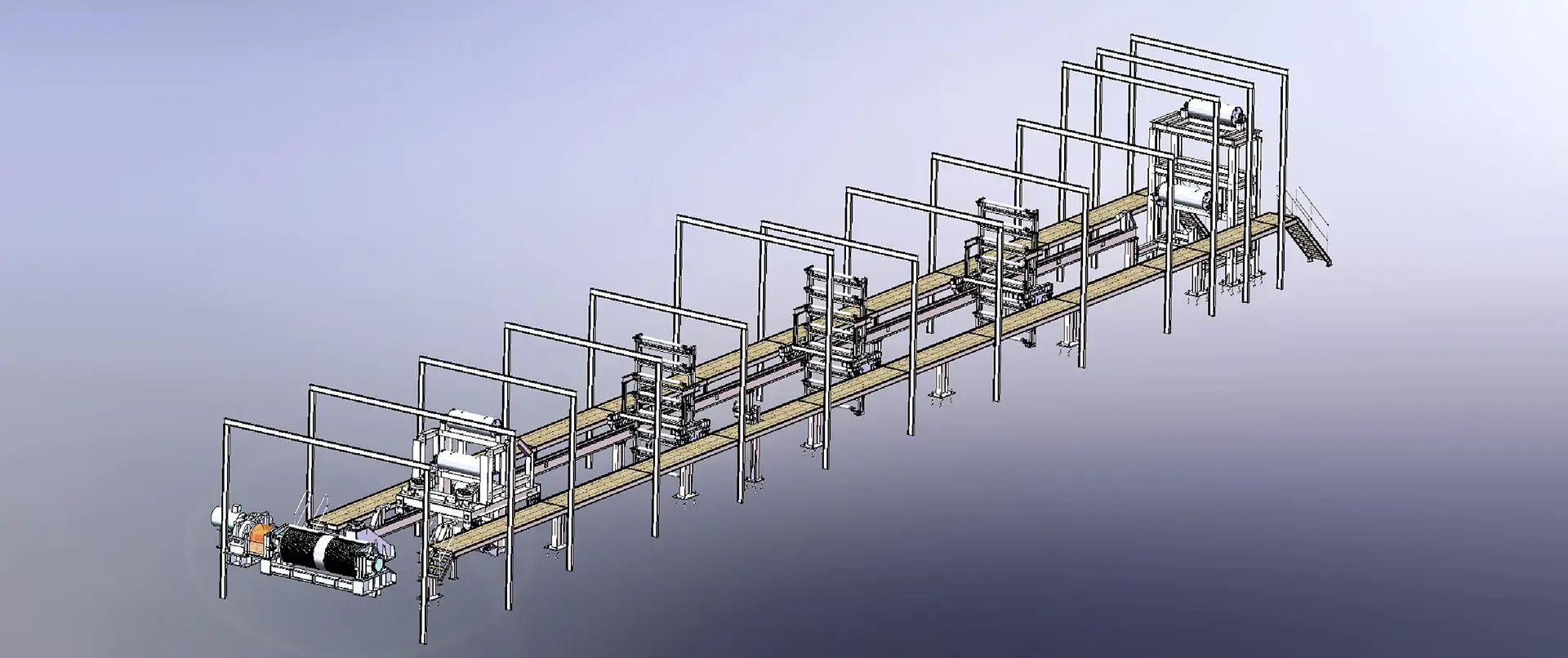

In industrial surface finishing, coating thickness is one of the most critical parameters influencing product quality, durability, and performance consistency. Whether used in construction panels, automotive components, or appliance surfaces, aluminum products must meet strict coating specifications to ensure long-term reliability. Even slight variations in thickness can affect corrosion resistance, appearance, and mechanical behavior.
A modern aluminum coil coating line relies on advanced measurement and control systems to maintain precise coating thickness throughout continuous production. These technologies help manufacturers achieve uniform application while minimizing material waste and improving overall efficiency.
Why Coating Thickness Matters
Coating thickness directly impacts the functional and aesthetic properties of coated aluminum. Too thin a layer may not provide adequate protection, while excessively thick coatings can lead to cracking, uneven curing, or increased costs.
Maintaining optimal thickness ensures:
- Consistent corrosion protection
- Stable color and surface finish
- Proper adhesion to the substrate
- Compliance with industry standards
For this reason, thickness control is a core focus in coil coating operations.
Factors Affecting Coating Thickness
Several variables influence the final thickness of a coating during production. Understanding these factors is essential for maintaining process stability.
Line Speed
The speed at which the aluminum strip moves through the coating system directly affects how much material is applied. Higher speeds can reduce coating deposition, while slower speeds may increase thickness.
Viscosity of Coating Material
The flow properties of paint or coating material play a significant role. Higher viscosity generally results in thicker coatings, while lower viscosity produces thinner layers.
Roller Gap Settings
In roller coating systems, the gap between applicator rollers determines the amount of coating transferred to the aluminum surface. Precise adjustment is required for consistent results.
Substrate Conditions
Surface roughness, cleanliness, and temperature of the aluminum strip can also affect coating adhesion and thickness uniformity.
Measurement Technologies for Thickness Control
Modern coil coating lines use advanced measurement systems to monitor coating thickness in real time. These systems provide continuous feedback, allowing operators to make immediate adjustments.
Non-Contact Sensors
Non-contact sensors are widely used in industrial coating systems. They measure thickness without touching the surface, ensuring accuracy without damaging the coating.
X-Ray Thickness Gauges
X-ray-based systems provide highly precise measurements by analyzing the absorption of radiation through the coating layers. These systems are ideal for high-speed production lines.
Infrared and Optical Systems
Optical technologies use light reflection and absorption to estimate coating thickness. They are commonly used for surface monitoring and quality verification.
Closed-Loop Control Systems
One of the most advanced features in modern coating lines is closed-loop control. This system automatically adjusts coating parameters based on real-time thickness measurements.
Closed-loop systems can:
- Adjust roller pressure automatically
- Modify line speed dynamically
- Regulate coating flow rate
- Maintain consistent application across the strip
This automation reduces human error and ensures stable production quality.
Role of Applicator Rollers in Thickness Uniformity
Roller coating systems are central to achieving consistent thickness. The condition and configuration of rollers significantly influence coating distribution.
Important considerations include:
- Roller surface condition and cleanliness
- Pressure balance between rollers
- Alignment accuracy
- Wear and maintenance condition
Proper roller management ensures even coating across the entire width of the aluminum strip.
Importance of Calibration and Maintenance
Accurate thickness control depends on regular calibration of measurement instruments and coating equipment. Without proper maintenance, even advanced systems can produce inconsistent results.
Key maintenance practices include:
- Regular sensor calibration
- Roller surface inspection and cleaning
- System parameter verification
- Software updates for control systems
These steps help maintain long-term measurement accuracy and process stability.
Impact on Product Quality
Coating thickness consistency directly influences the final performance of aluminum products. Variations can lead to visible defects and functional weaknesses.
Proper thickness control ensures:
- Uniform gloss and color appearance
- Enhanced weather resistance
- Improved mechanical durability
- Reduced risk of coating failure
This is especially important for architectural and automotive applications where performance standards are strict.
Integration in a Modern Aluminum Coil Coating Line
Thickness control systems are fully integrated into the production workflow of a modern aluminum coil coating line. Real-time data from sensors is continuously fed into the central control system, ensuring immediate adjustments when needed.
This integration enables:
- Continuous monitoring of production quality
- Reduced material waste
- Higher production efficiency
- Stable output across long production runs
As a result, manufacturers can maintain strict quality standards even at high speeds.
Conclusion
Coating thickness control is a fundamental aspect of modern aluminum finishing technology. Through advanced sensors, automated control systems, and precise mechanical adjustments, manufacturers can achieve consistent and reliable coating performance.
Within a modern aluminum coil coating line, thickness control ensures that every product meets strict industrial requirements for durability, appearance, and protection. As technology continues to evolve, smarter control systems will further enhance precision, efficiency, and sustainability in coil coating operations.