
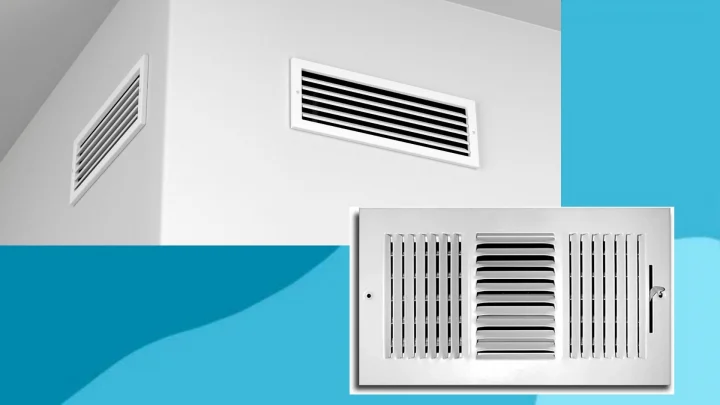

Selecting the right components for an HVAC system plays a major role in achieving efficient airflow, energy savings, and indoor comfort. Among these components, air diffusers are essential for distributing conditioned air evenly throughout a space. As a result, working with reliable suppliers becomes a key decision for engineers, contractors, and facility managers.
When evaluating air conditioning diffuser suppliers, it is important to look beyond pricing and consider product quality, engineering standards, and manufacturing consistency. air conditioning diffuser suppliers that specialize in HVAC accessories typically provide a wider range of diffuser designs, better material selection, and more reliable performance across different applications. This ensures compatibility with both residential and commercial HVAC systems.
Importance of Air Diffusers in HVAC Systems
Air diffusers are responsible for controlling how conditioned air enters a room. They regulate airflow direction, speed, and distribution pattern to maintain consistent indoor temperatures and reduce discomfort caused by drafts or uneven cooling.
Without properly designed diffusers, even advanced HVAC systems may struggle with inefficiency. Poor airflow distribution can lead to hot and cold spots, increased energy consumption, and reduced system lifespan. Therefore, selecting high-quality diffusers is not just a design preference but a technical necessity.
Key Factors to Consider When Choosing Suppliers
Choosing a reliable supplier requires careful evaluation of several important factors. These considerations help ensure that the HVAC system performs efficiently and remains durable over time.
1. Manufacturing Quality and Materials
A dependable supplier should use durable materials such as aluminum, galvanized steel, or high-grade ABS plastic. Aluminum is often preferred due to its corrosion resistance, lightweight structure, and long service life.
High-quality manufacturing also ensures precise finishing, which directly affects airflow performance and noise levels.
2. Product Range and Design Options
A strong supplier typically offers a wide variety of diffuser types, including:
- Square ceiling diffusers
- Linear slot diffusers
- Round diffusers
- Jet diffusers
- Floor diffusers
A diverse product range allows HVAC designers to choose the most suitable option for different architectural and functional requirements.
3. Airflow Performance and Efficiency
Efficient airflow is one of the most important performance indicators. Well-designed diffusers ensure uniform air distribution and minimize turbulence. This improves occupant comfort and reduces energy waste by optimizing system performance.
4. Acoustic Performance
Noise control is especially important in environments such as offices, hospitals, and residential buildings. High-quality diffusers are engineered to reduce air noise while maintaining strong airflow performance. This contributes to a quieter and more comfortable indoor environment.
5. Compliance with Standards
Reputable suppliers follow international HVAC manufacturing standards. Compliance ensures that products meet safety requirements, performance benchmarks, and environmental regulations. This is particularly important for large-scale commercial projects.
Types of Air Conditioning Diffusers
Understanding different diffuser types helps in selecting the right solution for each application.
Ceiling Diffusers
These are the most commonly used diffusers in modern HVAC systems. They distribute air evenly in multiple directions and are ideal for offices, schools, and residential spaces.
Linear Slot Diffusers
Linear slot diffusers are designed for modern interiors where aesthetics and precision airflow control are important. They are often installed in commercial buildings and high-end architectural spaces.
Round Diffusers
Round diffusers provide 360-degree air distribution, making them suitable for open spaces such as halls, lobbies, and industrial areas.
Jet Diffusers
Jet diffusers are used in large spaces that require long-distance airflow projection, such as airports and factories.
Floor Diffusers
These are installed in raised floor systems and are commonly used in data centers and office buildings where ceiling installation is limited.
Benefits of Working with Reliable Suppliers
Partnering with experienced suppliers provides several advantages beyond product availability. One of the most important benefits is consistent product quality, which ensures stable HVAC system performance.
Reliable suppliers also offer technical support, helping engineers select the right diffuser based on airflow requirements, room size, and system design. Additionally, established manufacturers invest in innovation, improving energy efficiency and airflow control technologies over time.
Another advantage is long-term cost savings. High-quality diffusers reduce maintenance needs and improve system efficiency, which lowers operational expenses over time.
How to Evaluate the Right Supplier
To select the most suitable supplier, consider the following steps:
- Review product catalogs and technical specifications
- Check industry certifications and compliance standards
- Compare product durability and material quality
- Evaluate customer reviews and project references
- Assess after-sales support and customization options
A well-qualified supplier should demonstrate both technical expertise and consistent manufacturing capability.
Conclusion
Air diffusers play a crucial role in HVAC system performance by ensuring efficient and balanced air distribution. Choosing the right supplier is essential for achieving long-term system reliability, energy efficiency, and indoor comfort.
By carefully evaluating product quality, design variety, and technical support, businesses can ensure they partner with suppliers who meet both current and future HVAC requirements.