
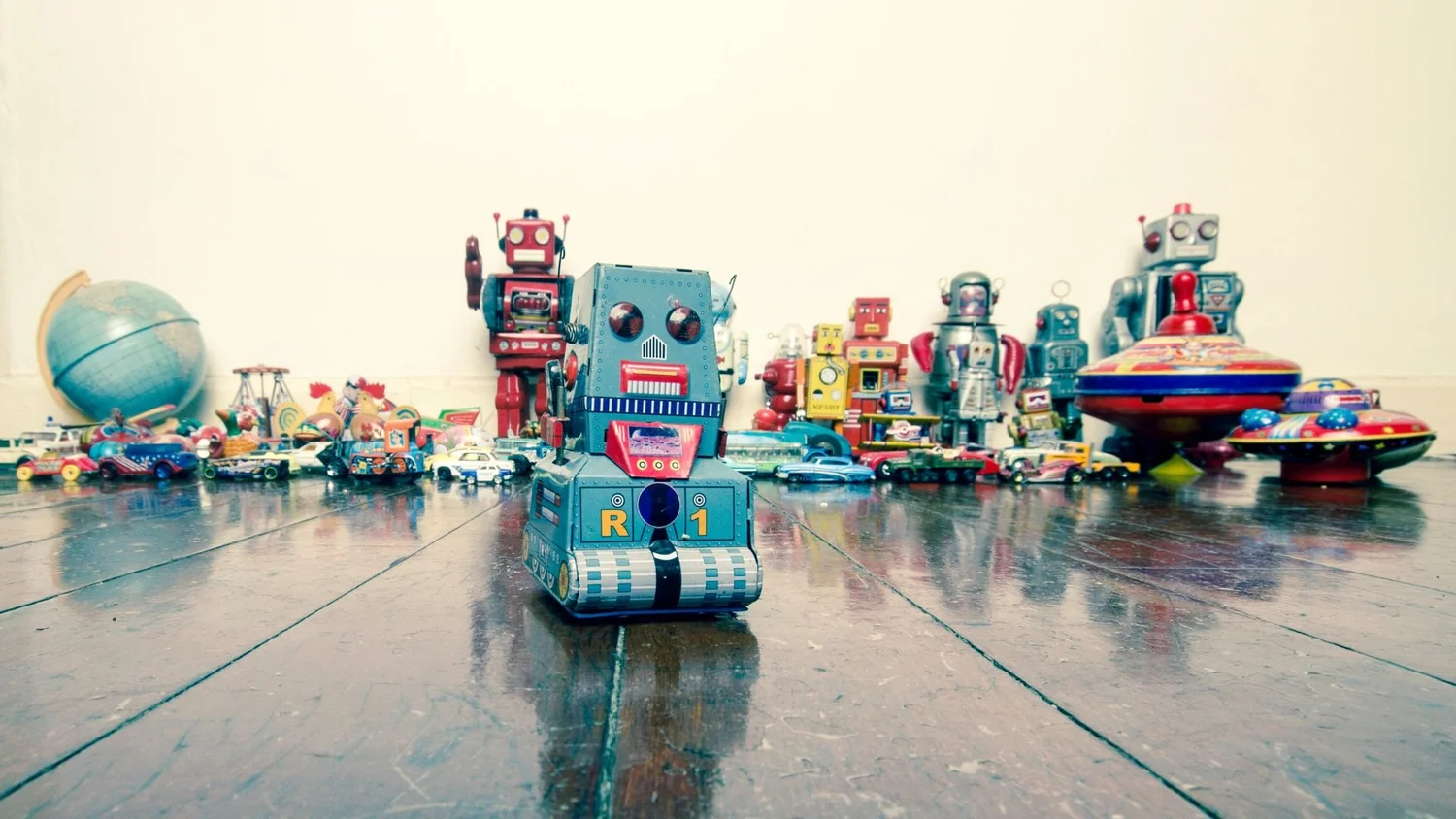

China has become an important sourcing destination for businesses looking to manufacture toys for domestic and international markets. From plush animals and wooden puzzles to plastic figures and electronic toys, manufacturers offer a wide range of production options to meet different product requirements. Understanding how these factories operate can help buyers make informed decisions about product development, quality expectations, and overall costs.
Choosing a suitable China Toy Manufacturer involves more than finding a competitive quotation. Buyers need to assess manufacturing capabilities, review quality control procedures, understand pricing structures, and confirm that products meet the safety requirements of their intended markets. A clear sourcing strategy can reduce production risks and support a more efficient supply chain.
Understanding Toy Manufacturing Capabilities in China
Toy factories vary in size, specialization, equipment, and production capacity. Some focus on high-volume standardized products, while others provide custom manufacturing services for brands developing original designs.
Before selecting a supplier, determine whether its production capabilities match your product specifications, expected order volume, and customization needs.
Common Types of Toy Production
Different toy categories require different manufacturing processes and technical expertise.
- Plastic toys: Commonly produced through injection molding, blow molding, and other plastic-processing methods. These processes are suitable for figures, building components, vehicles, and many other products.
- Plush toys: Require fabric selection, cutting, stitching, filling, and finishing. Consistent workmanship and material quality are important for durability and appearance.
- Wooden toys: Often involve cutting, shaping, sanding, painting, and assembly. Material sourcing and surface finishing require particular attention.
- Electronic toys: May involve circuit boards, batteries, wiring, sensors, speakers, and functional testing. Component reliability and electrical safety are key considerations.
- Educational toys: Can include puzzles, sorting games, construction sets, and learning products made from different materials and manufacturing methods.
A factory with experience in your specific product category is generally better positioned to understand its technical requirements and potential production challenges.
Customization and Product Development
Many buyers require more than standard catalog products. Customization can include unique shapes, colors, logos, packaging, materials, and functional features.
The development process may begin with a design brief or reference sample, followed by drawings, prototypes, material selection, and sample approval. Products requiring custom molds or specialized components may involve additional development time and upfront costs.
Before production starts, confirm who owns the design files, molds, and other custom tooling. You should also establish how design changes will be approved and priced.
How Toy Manufacturers Manage Production
Understanding the production process helps buyers estimate lead times, identify potential bottlenecks, and set realistic expectations.
Although procedures vary by product, many manufacturing projects follow several common stages.
1. Design and Sampling
The manufacturer reviews the product requirements and determines the materials, production methods, and components needed. A prototype or sample is then developed to evaluate appearance, dimensions, functionality, and workmanship.
Revisions may be necessary before the final sample is approved. Buyers should document all changes and retain a reference sample for quality comparisons.
2. Material Sourcing and Preparation
Once the design is approved, the factory sources the required raw materials and components. These may include plastics, fabrics, wood, paints, electronic parts, packaging, and accessories.
Material availability can affect both production costs and delivery schedules. Buyers should ask whether important components are readily available and how substitutions will be handled if shortages occur.
3. Mass Production and Assembly
Production methods depend on the toy’s construction. Some products require automated machinery, while others involve significant manual assembly.
Factories may use dedicated production lines, molds, cutting equipment, sewing machines, or electronic assembly stations. The manufacturer’s equipment and workforce should be appropriate for the product’s complexity and expected quantity.
4. Inspection and Packaging
Finished toys should be checked against the approved specifications before shipment. Inspections may cover appearance, dimensions, functionality, packaging, labeling, and other relevant requirements.
Packaging should also be evaluated for protection during transportation and compliance with destination-market requirements. Products that pass the agreed inspection process can then be prepared for dispatch.
Quality Standards and Toy Safety Requirements
Quality and safety are essential when sourcing toys, particularly products intended for children. Requirements depend on the product category, intended age group, and country where the toys will be sold.
For example, toys marketed in the United States may need to comply with applicable Consumer Product Safety Commission requirements and relevant provisions of ASTM F963. Products sold in the European Union must meet applicable toy safety legislation and conformity requirements.
Buyers should confirm which standards apply before production begins.
Important quality and safety considerations include:
- Material composition and restricted chemical substances.
- Small parts and potential choking hazards.
- Mechanical strength, sharp edges, and durability.
- Flammability requirements where applicable.
- Electrical and battery safety for electronic products.
- Required labels, age grading, and warnings.
Request relevant test reports and verify that they cover the actual product and applicable requirements. A general factory certificate does not necessarily demonstrate that every toy complies with the regulations of the intended market.
Implementing Quality Control
Quality control should begin before mass production rather than being limited to a final inspection.
A practical process can include incoming material checks, inspections during manufacturing, and final random inspections before shipment. Buyers should also establish written criteria for acceptable defects and product consistency.
For larger orders, an independent inspection service may provide additional assurance. Any problems identified should be documented, and the supplier should agree on corrective actions before goods are released.
Understanding Toy Manufacturing Pricing
Manufacturing prices depend on several variables, so two quotations for similar products may differ considerably. Evaluating the factors behind these differences helps buyers distinguish genuine savings from compromises that could affect quality.
Main Factors That Influence Production Costs
Materials: The type, grade, and quantity of materials used can significantly affect unit prices. Premium fabrics, specialized plastics, and electronic components may increase production expenses.
Product complexity: Toys with intricate shapes, moving parts, electronics, or multiple components generally require more manufacturing steps and quality checks.
Order quantity: Larger orders may reduce the cost per unit by spreading setup expenses across more products. However, higher quantities also increase inventory commitments and financial exposure.
Tooling and molds: Custom plastic components or unique shapes may require specialized molds. These costs can be substantial during initial development, although they may be distributed across future production runs.
Packaging: Custom boxes, inserts, printing, and protective materials can increase costs, particularly for products with premium retail presentation requirements.
Testing and inspection: Compliance testing, laboratory fees, and independent inspections may add to the project budget but can help reduce product and regulatory risks.
Comparing Quotations Effectively
When evaluating suppliers, request itemized quotations based on identical specifications. Each quotation should clearly identify what is included and what will be charged separately.
Compare the following details:
- Unit price and minimum order quantity.
- Sample development and tooling fees.
- Material specifications and packaging.
- Production lead time and payment terms.
- Quality inspections and compliance testing.
- Shipping arrangements and applicable trade terms.
It is also important to calculate the total landed cost, which may include manufacturing, freight, insurance, customs duties, taxes, and other import-related expenses, depending on the transaction.
The lowest unit price may not produce the lowest overall cost if the supplier has higher defect rates, longer lead times, or additional charges.
Minimum Order Quantities and Production Flexibility
Minimum order quantity, commonly called MOQ, refers to the smallest quantity a supplier is willing to produce for a particular order. MOQs vary depending on the factory, product category, customization requirements, and setup costs.
Standard catalog products may have different minimums from toys requiring custom molds, specialized materials, or unique packaging.
Small businesses and new brands should discuss their expected demand before selecting a manufacturer. Some suppliers may offer smaller trial orders, although the unit price can be higher.
For customized products, ask whether different colors or designs can be combined within one order. Confirm these arrangements in writing because production flexibility depends on the factory’s processes and purchasing conditions.
How to Evaluate a Toy Manufacturer Before Ordering
Choosing a factory should involve a structured evaluation rather than relying solely on online listings or sales presentations.
Start by reviewing the supplier’s business background, relevant product experience, and available manufacturing facilities. Ask for references, production examples, and documentation that supports its stated capabilities.
Request samples and assess them against your specifications. For larger projects, consider arranging a factory audit or independent inspection to verify production capacity and quality management practices.
Communication also matters. A reliable supplier should respond clearly to technical questions, explain limitations, and provide realistic timelines rather than making unsupported promises.
Before placing an order, use a written agreement covering specifications, quantities, payment milestones, delivery dates, inspection procedures, intellectual property, and remedies for nonconforming goods.
Managing Lead Times and Shipping
Production lead times depend on material availability, product complexity, order size, factory workload, and the time required for sampling and approvals.
Custom products may require additional time for design revisions, mold development, and testing. Buyers should request a production schedule that identifies important milestones rather than relying on a single estimated completion date.
Shipping adds another layer of planning. Air freight may be suitable for urgent or relatively small shipments, while sea freight is often considered for larger volumes when longer transit times are acceptable.
The best option depends on the shipment’s size, delivery deadline, total transportation cost, and destination. Buyers should also clarify customs documentation, insurance arrangements, and responsibilities under the agreed shipping terms.
Planning for possible delays can help businesses avoid stock shortages and maintain more reliable inventory levels.
Common Mistakes to Avoid
Even experienced buyers can encounter problems when sourcing toys internationally. Several precautions can help reduce avoidable risks.
Choosing a supplier based only on price: Low quotations may reflect different materials, specifications, or included services.
Skipping sample approval: Without a verified sample, it becomes harder to identify differences between the intended design and the finished product.
Ignoring regulatory requirements: Products that meet one market’s standards may not automatically satisfy another market’s rules.
Failing to document agreements: Written specifications and contracts help clarify responsibilities and resolve disputes.
Overlooking intellectual property: Custom designs, artwork, and molds should have clearly defined ownership and usage rights.
Underestimating total costs: Freight, testing, duties, and packaging can significantly affect the final cost of imported toys.
Addressing these issues during supplier selection and order planning can improve purchasing decisions and protect business resources.
Conclusion
Understanding production capabilities, quality requirements, and pricing structures is essential when sourcing toys from China. Buyers who evaluate factory expertise, approve samples, establish quality control procedures, and compare complete costs are better prepared to select a suitable manufacturing partner.
A successful sourcing strategy also depends on clear contracts, realistic production schedules, and careful attention to product safety. By approaching supplier selection systematically, businesses can reduce manufacturing risks, improve cost management, and establish partnerships that support long-term growth.