
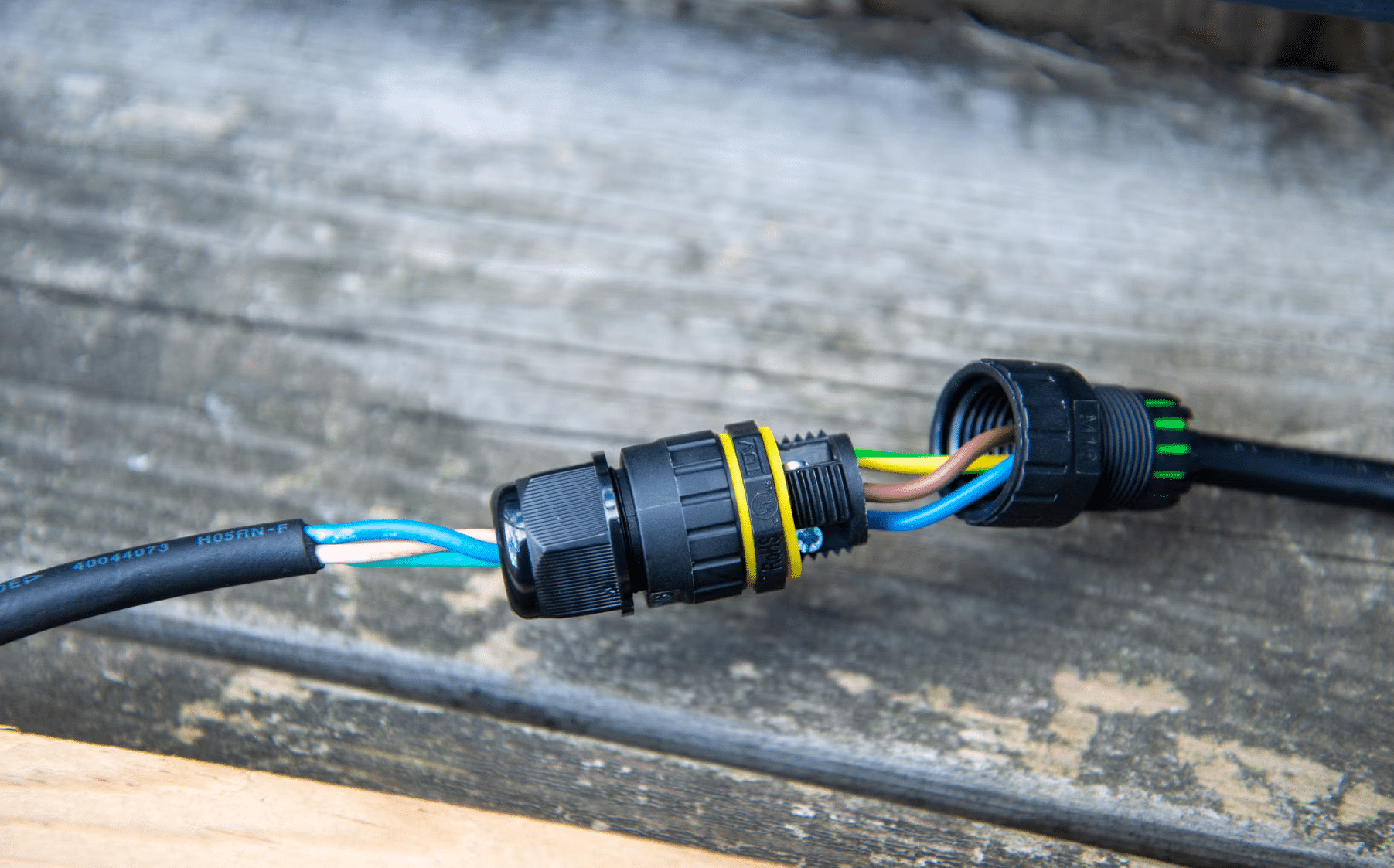

Modern surveillance systems are no longer limited to a single technology. Many installations now combine traditional analog cameras with advanced digital (IP-based) systems to improve coverage and flexibility. In such mixed environments, connectivity plays a crucial role in ensuring smooth operation across different devices.
A key component that supports this integration is the use of reliable cctv cable connectors. These connectors help bridge different camera technologies by maintaining stable video transmission and power delivery, regardless of system type.
Understanding Camera Compatibility in CCTV Systems
Compatibility in CCTV systems refers to how well different cameras and recording devices work together. Since analog and digital cameras use different transmission methods, proper connectivity solutions are required to ensure smooth communication.
- Analog systems rely on coaxial cable transmission
- Digital (IP) systems use network-based data transmission
- Hybrid systems combine both technologies
Connectors act as the interface that ensures each system type functions correctly within the same infrastructure.
Role of CCTV Cable Connectors in System Integration
CCTV cable connectors are essential for linking cameras to DVRs, NVRs, and power sources. In mixed surveillance setups, they help maintain consistent performance across different technologies.
Their main functions include:
- Ensuring stable video transmission
- Supporting power delivery to cameras
- Maintaining signal integrity across system types
- Reducing compatibility issues between devices
Without proper connectors, integrating analog and digital systems becomes significantly more complex.
Compatibility with Analog Camera Systems
Analog cameras are widely used in traditional surveillance setups. They transmit video signals through coaxial cables, which require specific connector types for proper operation.
How Connectors Support Analog Systems
In analog setups, connectors ensure:
- Direct signal transmission to DVRs
- Stable coaxial cable connections
- Minimal signal distortion
- Reliable long-term performance
BNC-style connectors are most commonly used in these systems due to their secure locking mechanism and stable signal handling.
Compatibility with Digital (IP) Camera Systems
Digital CCTV systems operate differently from analog setups. Instead of coaxial cables, they use Ethernet-based networks to transmit video data.
Connector Role in Digital Systems
In IP-based surveillance, connectors help by:
- Supporting network data transmission
- Enabling Power over Ethernet (PoE) connections
- Ensuring stable communication between devices
- Reducing packet loss or data interruption
RJ45 connectors are typically used in digital systems, allowing both power and data to be transmitted through a single cable.
Hybrid CCTV Systems and Connector Flexibility
Many modern surveillance installations use hybrid systems that combine analog and IP cameras. This approach allows gradual upgrades without replacing the entire infrastructure.
Why Connectors Are Important in Hybrid Systems
Connectors help hybrid systems function efficiently by:
- Allowing different camera types to operate together
- Supporting multiple transmission formats
- Simplifying system expansion
- Reducing installation complexity
In such environments, choosing the correct connector type is essential for maintaining compatibility.
Key Factors Affecting Compatibility
Several technical factors influence how well connectors perform across analog and digital systems.
Signal Type
Analog and digital signals behave differently, so connectors must match the transmission method used by the camera system.
Cable Infrastructure
Coaxial and Ethernet cables require different connector designs, making compatibility dependent on system layout.
Power Requirements
Digital systems often use PoE, while analog systems rely on separate power connectors. Proper matching is essential for stable operation.
System Configuration
Hybrid setups require careful planning to ensure all devices communicate effectively through compatible connectors.
Common Connector Types Used in CCTV Systems
Different connector types are used depending on system design and camera technology.
BNC Connectors
Used primarily in analog and HD-over-coax systems, BNC connectors provide secure video transmission through coaxial cables.
RJ45 Connectors
Used in IP-based surveillance systems, RJ45 connectors support both data and power transmission over Ethernet networks.
DC Power Connectors
These connectors supply power to CCTV cameras in both analog and some hybrid systems.
F-Type Connectors
Occasionally used in coaxial systems, F-type connectors provide stable connections for longer cable runs.
Challenges in Mixed System Compatibility
Combining analog and digital systems can create technical challenges if connectors are not properly selected.
Signal Conversion Issues
Improper connectors may lead to signal mismatches between analog and digital devices.
Installation Complexity
Different connector types require different installation methods and tools.
Maintenance Difficulties
Mixed systems may require more careful troubleshooting if connectors are inconsistent.
Best Practices for Ensuring Compatibility
To ensure smooth operation between analog and digital cameras, proper installation and planning are essential.
Use Standardized Connectors
Stick to industry-standard connectors for each system type to avoid compatibility issues.
Plan System Architecture Carefully
Understand whether the system is analog, digital, or hybrid before selecting connectors.
Ensure Proper Installation
Secure and correctly installed connectors reduce the risk of signal failure.
Test System Integration
Before final deployment, test all cameras to ensure proper communication between devices.
Conclusion
CCTV systems today often combine both analog and digital technologies, making compatibility an important factor in system design. Proper use of CCTV cable connectors ensures that different camera types can operate together smoothly without signal loss or performance issues.
By selecting the right connector types and following proper installation practices, surveillance systems can achieve reliable performance across both traditional and modern security technologies.