
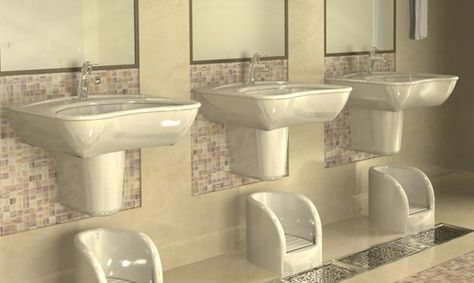

Modern mosques, Islamic centers, and public facilities are increasingly designed with inclusivity in mind, ensuring that all worshippers—regardless of age or physical ability—can comfortably use ablution areas. Accessibility is now a key requirement in public infrastructure, influencing how architects and facility planners design washing spaces. A well-planned system improves safety, usability, and overall user experience.
A properly designed Ablution Wash Basin should meet accessibility standards by offering ergonomic height, easy reach to water outlets, and sufficient space for movement, ensuring that elderly users and individuals with mobility challenges can perform ablution comfortably and safely. At the same time, for businesses involved in export marketing, emphasizing accessibility compliance helps attract international buyers who are actively seeking inclusive and regulation-friendly solutions for mosque and public infrastructure projects.
Importance of Accessibility in Ablution Areas
Accessibility ensures that ablution facilities can be used by everyone without difficulty or risk.
Key reasons include:
- Supporting elderly worshippers
- Assisting individuals with disabilities
- Improving safety in wet environments
- Enhancing overall facility usability
This makes accessibility a core design requirement.
Ergonomic Height and User Comfort
Proper height adjustment is essential for comfortable and safe use of ablution basins.
Key ergonomic considerations include:
- Comfortable washing height for all users
- Reduced bending or stretching strain
- Adjustable or standardized installation levels
- Easy reach to water outlets
These features improve daily usability and comfort.
Space Design for Mobility Access
Adequate space around the basin is necessary to ensure smooth movement and safe usage.
Important features include:
- Wide pathways for wheelchair access
- Clear separation between user stations
- Unobstructed movement areas
- Safe turning and positioning space
This ensures inclusivity for all users.
Safety Features in Wet Environments
Safety is a major concern in ablution areas due to constant water usage.
Key safety improvements include:
- Slip-resistant flooring
- Controlled water drainage systems
- Reduced water spillage design
- Clear wet and dry zone separation
These features help prevent accidents.
User-Friendly Fixture Placement
Proper placement of faucets and controls improves accessibility and ease of use.
Key design factors include:
- Easy-to-reach water outlets
- Intuitive faucet positioning
- Simple operation mechanisms
- Reduced physical effort during use
This ensures a smoother ablution experience.
Durable Design for Public Use
Accessibility features must also be supported by durable materials for long-term performance.
Durability benefits include:
- Resistance to heavy daily use
- Long service life in public environments
- Low maintenance requirements
- Stable structural performance
This ensures consistent accessibility over time.
Compliance with Modern Facility Standards
Many modern construction projects require accessibility compliance as part of building regulations.
Key standards include:
- Universal design principles
- Inclusive public facility guidelines
- Safety and hygiene regulations
- Efficient space utilization requirements
This improves project approval and usability.
Export Market Demand for Accessible Solutions
From a business perspective, accessible ablution systems are increasingly in demand worldwide.
Export opportunities include:
- Mosque construction in developing regions
- Upgrades to existing religious facilities
- Demand for inclusive public infrastructure
- Growing awareness of accessibility standards
This creates strong global market potential.
Conclusion
Accessibility standards for ablution wash basin design are essential for ensuring comfort, safety, and usability for all individuals. Proper design enhances inclusivity while improving the overall efficiency of religious and public facilities.
At the same time, rising global demand presents strong export opportunities. By focusing on accessibility and user-centered design, businesses can effectively meet international requirements and support modern infrastructure development worldwide.