
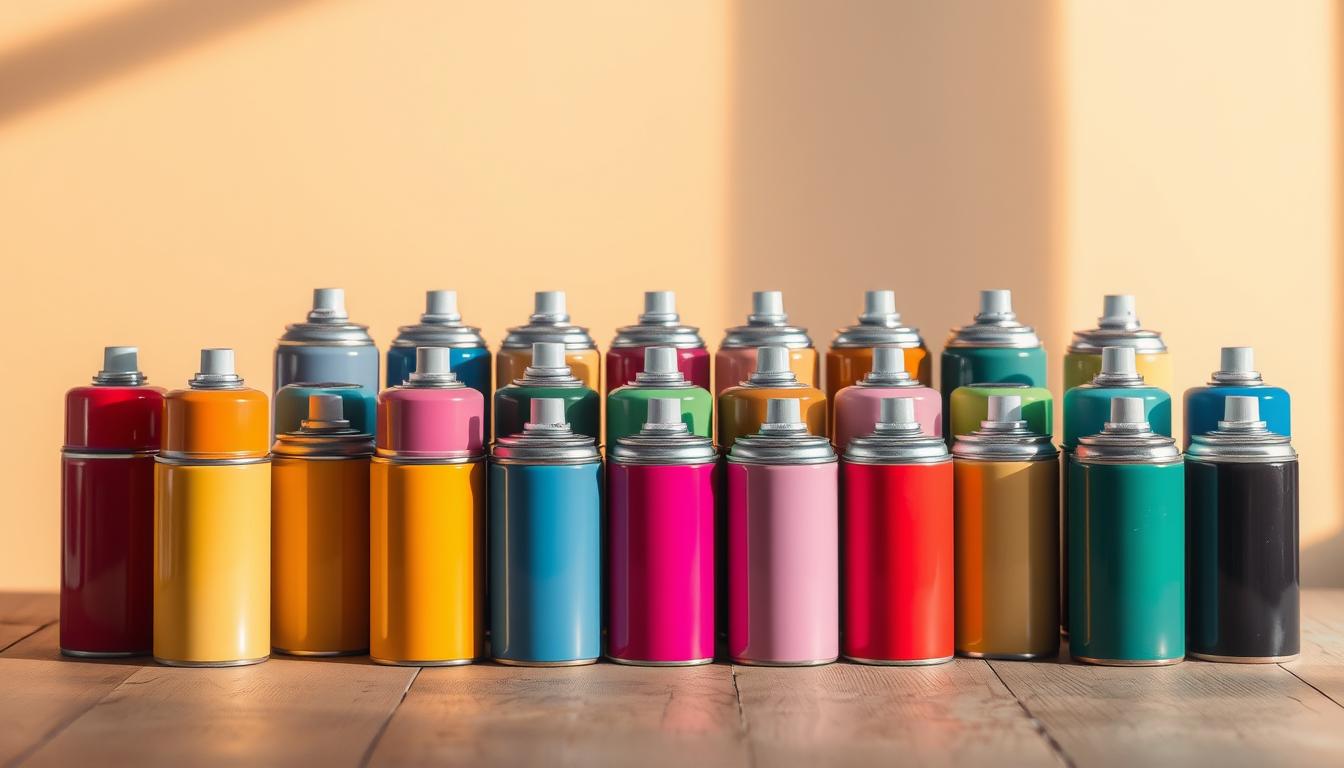

Sprayable paint has become a popular choice among DIY enthusiasts, professional painters, and designers due to its speed, convenience, and ability to deliver a smooth, uniform finish. Unlike traditional brush or roller methods, sprayable paint allows for quick coverage over large surfaces and hard-to-reach areas. Understanding the advantages and proper application techniques of sprayable paint can help achieve professional-quality results while saving time and effort.
For those looking for high-quality sprayable paint options, platforms like Sprayable Paint offer a wide range of products suitable for various surfaces, finishes, and project requirements. Using reliable sprayable paint ensures consistent results, excellent adhesion, and a long-lasting finish, making it an essential tool for both decorative and functional painting projects.
Fast Application and Time Efficiency
One of the main advantages of sprayable paint is its speed of application. Unlike brushes or rollers, which require multiple passes and meticulous attention to detail, sprayable paint can cover large areas quickly and evenly. This makes it particularly useful for painting furniture, cabinets, doors, fences, and walls where time is a critical factor.
Sprayable paint minimizes labor-intensive effort while maintaining high-quality results, allowing users to complete projects faster and with less fatigue. Its efficiency is especially beneficial for professional painters who need to meet deadlines or handle large-scale projects.
Uniform and Smooth Finish
Sprayable paint provides a smooth, streak-free finish that is difficult to achieve with traditional brushes or rollers. The paint is atomized into fine droplets, which evenly coat surfaces and create a uniform layer. This technique reduces brush marks, roller lines, or uneven textures, giving the painted surface a polished, professional look.
For surfaces with intricate details, corners, or textured areas, sprayable paint ensures consistent coverage, reaching places that brushes or rollers may miss. This results in a flawless finish without the need for extensive touch-ups or corrections.
Versatility Across Surfaces
Sprayable paint can be used on a wide variety of surfaces, including wood, metal, plastic, and even glass. It adheres well to different materials and is available in multiple finishes such as matte, satin, gloss, and metallic. This versatility allows users to tackle diverse projects with the same tool, from furniture refinishing to decorative art projects and automotive applications.
Additionally, sprayable paint is ideal for both indoor and outdoor use, making it suitable for household projects as well as commercial and industrial applications. Its adaptability enhances creative possibilities and ensures professional results across different contexts.
Reduced Preparation and Clean-Up
Using sprayable paint often reduces the need for extensive surface preparation. While cleaning and priming are still important, the fine mist application minimizes the risk of uneven coats or paint pooling. Masking off surrounding areas with tape or protective sheets is usually sufficient to prevent overspray, making the process more convenient than traditional methods.
Moreover, many sprayable paints come in aerosol cans, which eliminate the need for brushes, rollers, or trays. This reduces clean-up time and simplifies storage, particularly for small to medium-sized projects.
Cost-Effectiveness for Certain Projects
While sprayable paint may seem more expensive per can compared to traditional paints, it can be cost-effective for certain projects. Faster application reduces labor costs, especially for professionals, and minimizes the likelihood of mistakes or additional touch-ups. High-quality sprayable paints also provide excellent coverage, meaning fewer coats are needed, which offsets the initial cost.
Safety and Best Practices
Proper safety precautions are essential when using sprayable paint. Always work in a well-ventilated area or outdoors to avoid inhaling fumes. Wearing a mask, gloves, and protective eyewear helps prevent exposure to chemicals and ensures safe application. Following the manufacturer’s instructions for shaking, spraying distance, and drying times is also critical for achieving optimal results.
Final Thoughts
Sprayable Paint offers numerous advantages for achieving fast, uniform, and professional-quality finishes. Its ability to cover large areas quickly, deliver smooth and consistent results, and adapt to various surfaces makes it an invaluable tool for both DIY projects and professional applications. Reduced preparation and clean-up, combined with efficient paint usage, further enhance its appeal. By selecting high-quality sprayable paint and following best practices, users can save time, improve the appearance of surfaces, and complete painting projects with confidence and precision.