
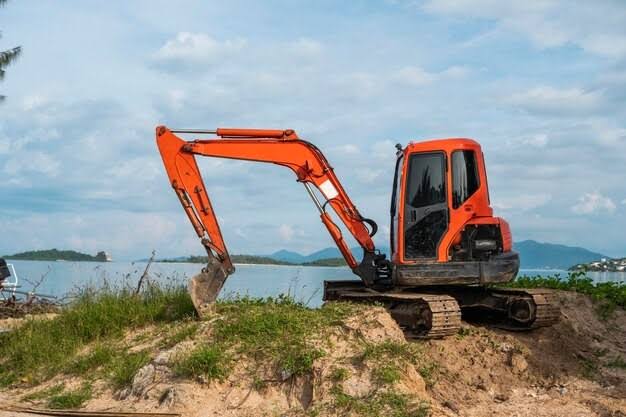

Residential construction projects often involve excavation work within established neighbourhoods where space is limited and existing properties must be considered. Contractors may prepare foundations, dig drainage trenches, undertake landscaping, install selected services, or carry out renovation work around occupied buildings. The equipment used must fit the site, perform the required task, and allow construction activities to proceed safely and efficiently.
When looking for an electric mini excavator for sale for residential construction, contractors should consider the project’s excavation requirements, property access, surrounding structures, noise considerations, charging facilities, and operating schedule. Electric mini excavators may be suitable for selected residential applications, but the choice should be based on a detailed assessment of the working conditions and machine capabilities.
Examine the Residential Project Scope
Residential projects may involve several types of excavation. New construction can require foundation preparation, while renovation projects may include drainage improvements, ground shaping, or excavation around existing structures.
Contractors should review project drawings and determine the dimensions, depths, and locations of the planned excavation. They should also consider soil conditions, expected material removal, and the sequence of work.
The scope of the project helps identify the machine capabilities needed. It can also highlight whether a compact excavator is appropriate or whether additional equipment may be required for certain tasks.
Check Property Access
Residential properties often have restricted access. Narrow driveways, gates, fences, landscaping, neighbouring buildings, and existing pathways may limit equipment movement.
Contractors should measure the complete route and compare it with the excavator’s dimensions. They need to consider turning space, overhead clearance, surface conditions, and the area available for positioning the machine.
Access planning should include delivery and removal. A machine that can reach the excavation area may still require special transport or loading arrangements.
Consider Work Near Existing Structures
Residential excavation may take place close to foundations, walls, patios, drainage systems, underground utilities, or other existing installations.
Contractors must plan excavation carefully and follow appropriate utility locating and safety procedures. They should consider the working clearance required and determine whether the machine can be positioned without creating unnecessary risks.
Compact equipment may offer useful access characteristics, but size alone does not guarantee suitability. The excavation method, ground conditions, machine capability, and surrounding structures must all be evaluated.
Evaluate Noise and Exhaust Considerations
Residential construction can affect occupants and neighbouring properties. Contractors may need to consider noise, operating hours, direct exhaust emissions, and communication with nearby residents.
Battery-powered excavators do not produce direct exhaust emissions during normal electric operation. They may also operate more quietly than some comparable conventional equipment, although excavation activity and other machine functions continue to generate sound.
Actual noise characteristics depend on the machine and work. Contractors should review available information and plan activities according to site requirements and applicable restrictions.
Assess Machine Performance
The excavator should have suitable digging depth, reach, bucket capacity, digging force, operating weight, and dimensions for the project.
Foundation or drainage work may require particular excavation depths, while landscaping or ground preparation may involve repeated movement and different attachment needs.
Contractors should compare technical specifications with the project requirements and ask suppliers for clarification where necessary. A demonstration may help operators understand how the machine performs in relevant tasks.
Plan Charging Around Residential Work
Charging facilities should be considered before the equipment is deployed. Contractors need to determine whether charging will take place at the depot, a designated site location, or another suitable facility.
Electrical supply requirements, connection compatibility, charging duration, and safety arrangements should be confirmed. Residential sites may have restrictions affecting the location of charging equipment or cables.
The work schedule should be planned around expected battery performance. If the machine is needed for extended periods, contractors should establish whether the charging arrangement supports the required operating schedule.
Coordinate with Other Construction Activities
Residential projects often involve multiple trades working in sequence. Excavation may need to be completed before plumbing, electrical installation, foundation work, or other activities can proceed.
Contractors should coordinate machine use with the overall project schedule. Excavation, soil removal, access, and charging should be planned to avoid interfering with other workers or delaying subsequent activities.
Review Safety and Support
Operators should receive appropriate training and understand the equipment’s controls, limitations, inspection procedures, and safety features.
Contractors should also investigate warranty coverage, service support, parts availability, maintenance requirements, and supplier assistance before purchasing the machine.
Conclusion
Selecting an electric mini excavator for residential construction requires consideration of excavation scope, property access, surrounding structures, machine performance, charging arrangements, noise, and safety. Contractors who evaluate these factors together can determine whether compact electric equipment is suitable for their residential projects. A careful selection process helps support efficient construction while taking account of the practical challenges of working in established neighbourhoods.