
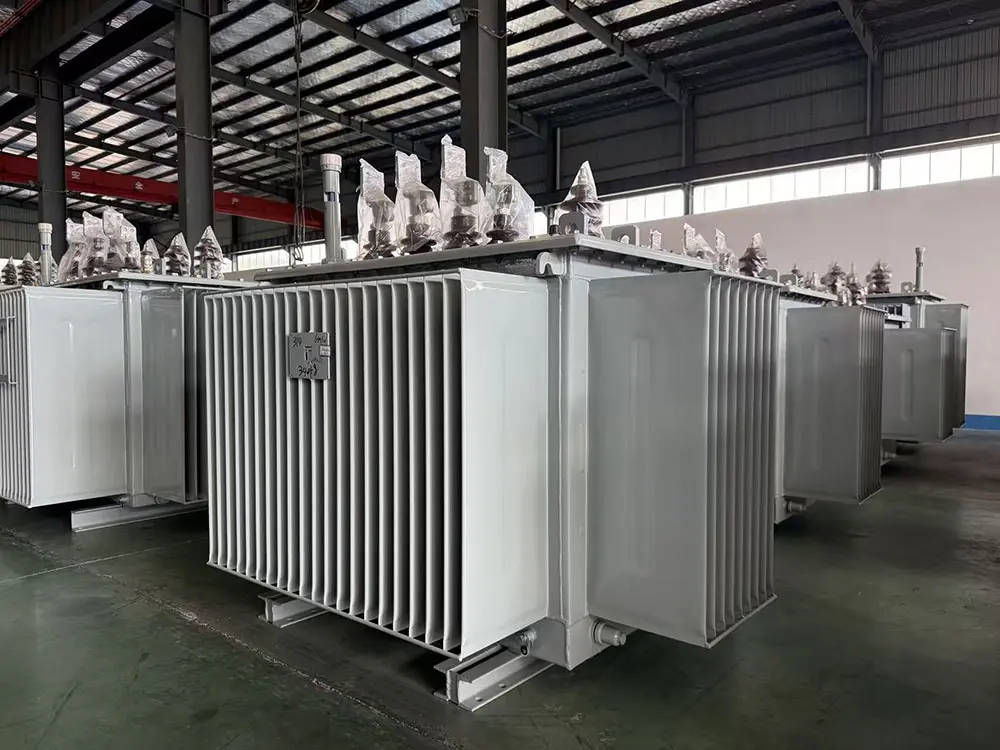

Substations are essential components of electrical transmission and distribution networks. They help regulate voltage, manage power flow, and connect different sections of an electricity system. Because transformers operate under demanding electrical and environmental conditions, selecting the right manufacturing partner is critical to ensuring reliable substation performance.
Working with a dependable Substation Transformer OEM Supplier allows utilities, engineering contractors, and industrial organizations to obtain equipment designed around specific project requirements. Original equipment manufacturing (OEM) arrangements can provide flexibility in transformer ratings, winding configurations, cooling systems, protection features, and other technical details. However, buyers must carefully evaluate a supplier’s engineering capabilities, manufacturing quality, testing procedures, and long-term support before making a purchasing decision.
Understanding the Role of an OEM Supplier in Substation Projects
An OEM supplier manufactures equipment according to defined technical specifications and agreed design requirements. In substation projects, this may involve producing transformers with customized electrical ratings, physical dimensions, accessories, and monitoring arrangements.
Substation transformers are designed to transfer electrical power between different voltage levels while maintaining the required operating characteristics. Their specifications depend on the network configuration, load requirements, fault levels, and installation environment.
OEM manufacturing can be particularly useful when standard transformer models do not fully meet a project’s needs. Instead of adapting the electrical system around an unsuitable product, project engineers can work with the manufacturer to develop a configuration that fits the intended application.
1. Evaluate Engineering and Design Capabilities
A reliable OEM supplier should have the engineering expertise to translate project requirements into a practical transformer design.
Transformer engineering involves electrical calculations, magnetic circuit design, insulation coordination, thermal analysis, mechanical strength, and consideration of operating conditions.
Electrical Design Expertise
The supplier should understand how to design transformers for the required voltage levels, power ratings, frequency, impedance, and winding connections.
These characteristics influence voltage regulation, fault performance, and compatibility with the wider substation network.
Thermal and Cooling Design
Transformer losses generate heat during operation. The cooling system must therefore be suitable for the expected load, ambient temperature, and installation conditions.
Depending on the design, cooling arrangements may include natural oil circulation with natural air cooling or systems using forced oil or air circulation.
Mechanical and Structural Design
Transformers must withstand mechanical stresses associated with transportation, installation, and electrical fault conditions.
The manufacturer should consider tank construction, winding support, clamping arrangements, and lifting provisions during the design process.
Design Review and Documentation
Before manufacturing begins, buyers should receive technical drawings, specifications, and relevant design information for approval.
A documented review process helps identify discrepancies before materials are ordered or production starts.
2. Confirm Experience With Substation Transformer Applications
Manufacturing experience is an important indicator of whether a supplier understands the technical and operational demands of substation equipment.
Different substations serve different purposes, so experience with similar applications is particularly valuable.
Transmission and Distribution Substations
Transmission substations often involve higher voltage levels and demanding insulation and protection requirements.
Distribution substations typically focus on reducing voltage for local networks and supplying commercial, residential, or industrial loads.
The supplier should demonstrate familiarity with the application relevant to the project.
Industrial Substations
Manufacturing plants, mining operations, processing facilities, and other industrial sites may have distinctive load profiles.
Transformers used in these environments may need to accommodate motor starting, fluctuating loads, harmonics, or other application-specific conditions.
Renewable Energy Substations
Solar and wind power installations may require transformers designed for particular voltage levels, power flow characteristics, and operating patterns.
A supplier with relevant renewable energy project experience may be better equipped to discuss these requirements.
3. Examine Customization Options
One of the main advantages of OEM procurement is the ability to specify equipment according to project needs.
However, customization should be supported by sound engineering rather than treated as a simple modification of standard products.
Important customization areas include:
- Power rating: Selecting the required transformer capacity based on the expected load and future expansion.
- Voltage ratio: Matching primary and secondary voltage requirements.
- Winding configuration: Specifying the connection arrangement and vector group.
- Impedance: Meeting network voltage regulation and fault-current requirements.
- Cooling system: Choosing an appropriate cooling arrangement for the expected operating conditions.
- Tap changer: Determining whether an off-circuit or on-load tap changer is required.
- Accessories: Including suitable monitoring, protection, and control devices.
- Tank and enclosure design: Adapting construction to the installation environment and project layout.
Buyers should provide a complete technical specification and discuss any unusual requirements with the manufacturer’s engineering team.
4. Verify Manufacturing Quality and Production Facilities
A supplier’s manufacturing processes directly influence the consistency and reliability of finished transformers.
Before placing an order, buyers should examine the production facility, quality management procedures, and material control practices.
Core and Winding Production
Transformer cores and windings are essential to electrical performance.
Manufacturing accuracy, material quality, winding arrangement, and insulation treatment can influence losses, temperature rise, and operational reliability.
Insulation System Quality
Insulation materials must be suitable for the transformer’s voltage rating, thermal conditions, and expected service environment.
The supplier should explain how insulation materials are selected, processed, and inspected during production.
Tank Fabrication and Finishing
For oil-immersed substation transformers, tank construction must provide mechanical strength and prevent leakage.
Welding quality, surface preparation, corrosion protection, and sealing arrangements should be checked.
Quality Management Procedures
Ask about incoming material inspections, production checks, assembly inspections, and final testing.
A consistent quality assurance system helps ensure that the finished product matches approved drawings and specifications.
5. Review Applicable Standards and Certifications
Compliance with recognized standards is essential when purchasing transformers for substations.
The selected standards should match the transformer type, voltage level, application, and requirements of the relevant utility or regulatory authority.
The IEC 60076 series is widely used for power transformer design and testing. Depending on the project, additional standards and technical requirements may apply to bushings, insulation coordination, protection equipment, and accessories.
Buyers should verify:
- The standards identified in the technical specification.
- The manufacturer’s quality management certifications.
- Relevant product test documentation.
- Compliance with utility or project-specific requirements.
- The validity and scope of supplied certificates.
Certification documents should be reviewed carefully to confirm that they apply to the actual manufacturing organization and product configuration.
6. Assess Testing and Inspection Capabilities
Testing provides evidence that a manufactured transformer meets its specified performance and safety requirements.
A capable OEM supplier should have established testing procedures and provide clear documentation for the results.
Routine Tests
Routine tests are generally performed on each transformer and may include:
- Winding resistance measurement.
- Voltage ratio and phase displacement verification.
- Impedance voltage and load loss measurement.
- No-load loss and current measurement.
- Dielectric routine tests.
- Insulation checks and other specified verifications.
The exact requirements depend on the applicable standard and purchase specification.
Type Tests
Type tests demonstrate particular design characteristics and are generally performed on representative units of a design.
These may include temperature-rise tests and dielectric performance tests, depending on the transformer and applicable requirements.
Special Tests
Some projects require additional tests to verify specific performance characteristics.
These should be identified in the technical specification and agreed upon before production.
Factory Acceptance Testing
Factory acceptance testing allows buyers or their appointed inspectors to review the transformer before shipment.
The inspection plan should define the tests to be witnessed, acceptance criteria, required documents, and procedures for addressing nonconformities.
7. Compare Pricing and Total Project Value
OEM transformer quotations should be evaluated according to technical completeness rather than price alone.
Two offers with similar headline prices may include different accessories, testing arrangements, warranties, or delivery responsibilities.
A thorough cost comparison should consider:
- Transformer design and manufacturing costs.
- Required accessories and monitoring equipment.
- Factory testing and third-party inspection.
- Transportation and export packaging.
- Installation and commissioning requirements.
- Energy losses during operation.
- Maintenance and replacement costs.
- Warranty coverage and technical support.
Transformer efficiency deserves particular attention because losses continue to affect operating costs throughout the equipment’s service life.
Buyers should compare no-load and load losses using consistent operating assumptions.
8. Check Production Capacity and Project Delivery Management
Substation projects frequently operate under strict construction and commissioning schedules. Delayed transformer delivery can affect several connected activities, including civil works, cable installation, testing, and energization.
A reliable supplier should provide a realistic manufacturing and delivery plan.
Manufacturing Schedule
Confirm the expected duration for design approval, material procurement, production, assembly, testing, and final inspection.
The supplier should identify important milestones and explain how changes in specifications could affect the schedule.
Material Availability
Transformer production may depend on specialized materials such as electrical steel, conductors, insulation materials, and accessories.
Understanding material availability can help buyers assess potential delivery risks.
Shipping and Packaging
Large substation transformers may require specialized transportation and handling.
The exporter should explain packaging arrangements, lifting requirements, shipping responsibilities, and any special considerations for the destination.
Progress Communication
Regular production updates help project teams coordinate equipment delivery with other construction activities.
Clear communication is particularly important when technical approvals or inspection activities require input from multiple parties.
9. Evaluate After-Sales Support and Warranty Conditions
Substation transformers are long-term infrastructure assets. Their performance depends not only on manufacturing quality but also on proper installation, operation, and maintenance.
The OEM supplier should provide clear support arrangements.
Warranty Coverage
Review the warranty period, covered defects, exclusions, and claim procedures.
The purchase agreement should explain how technical investigations and corrective actions will be handled.
Spare Parts Availability
Confirm whether replacement components and accessories can be supplied when needed.
Availability of bushings, cooling equipment, monitoring devices, and other relevant parts can support maintenance planning.
Installation and Commissioning Assistance
Some projects require manufacturer guidance during installation, pre-energization checks, and initial operation.
Clarify whether the supplier offers remote assistance, on-site support, or commissioning services.
Technical Documentation
The supplier should provide operating manuals, maintenance instructions, approved drawings, test reports, and relevant equipment records.
These documents help operators manage the transformer throughout its service life.
10. Assess Communication and OEM Project Coordination
Customized transformer procurement involves continuous coordination between the buyer, engineering team, manufacturer, inspection personnel, and project contractors.
A supplier should be able to communicate technical information clearly and respond to questions within agreed timeframes.
During supplier evaluation, consider whether the company:
- Provides clear and detailed technical quotations.
- Assigns appropriate contacts for engineering and commercial matters.
- Responds effectively to specification changes.
- Maintains accurate design and production records.
- Explains technical limitations and design alternatives.
- Provides timely updates during manufacturing.
Good communication helps reduce misunderstandings and makes it easier to resolve technical issues before they affect project schedules.
11. Common Mistakes to Avoid When Selecting an OEM Supplier
Even experienced procurement teams can overlook important details when evaluating transformer manufacturers.
Common mistakes include:
- Selecting a supplier based only on the lowest quotation.
- Providing incomplete or unclear technical specifications.
- Ignoring short-circuit and insulation requirements.
- Failing to verify manufacturing capabilities.
- Accepting certificates without checking their relevance.
- Overlooking factory inspection and testing requirements.
- Not approving final drawings before production.
- Underestimating transportation and installation challenges.
- Neglecting warranty and spare-parts arrangements.
Avoiding these issues helps create a more transparent procurement process and reduces the risk of costly changes later.
12. A Practical Checklist for Evaluating an OEM Supplier
Before awarding a transformer manufacturing contract, project teams can use a structured checklist to compare potential suppliers.
- Relevant experience with substation transformer applications has been verified.
- Engineering and customization capabilities meet project requirements.
- Manufacturing facilities and quality procedures have been reviewed.
- Applicable standards and certifications have been checked.
- Technical specifications and drawings have been approved.
- Routine, type, and special testing requirements are defined.
- Factory acceptance and inspection arrangements are agreed upon.
- Pricing includes the required accessories and services.
- Production and delivery schedules are realistic.
- Warranty, spare parts, and after-sales support are clearly defined.
Using consistent evaluation criteria makes supplier comparisons more objective and helps organizations select a manufacturing partner based on long-term project value.
Conclusion
Selecting a trusted substation transformer OEM supplier requires a balanced assessment of engineering expertise, customization capabilities, manufacturing quality, standards compliance, testing facilities, delivery management, and after-sales support. Each of these factors contributes to the reliability and suitability of the finished transformer.
By defining technical requirements clearly and evaluating suppliers through a structured process, utilities, industrial operators, and engineering contractors can make better procurement decisions. A capable OEM partner can help deliver customized transformer solutions that integrate with the substation design and support dependable power system operation over the long term.