
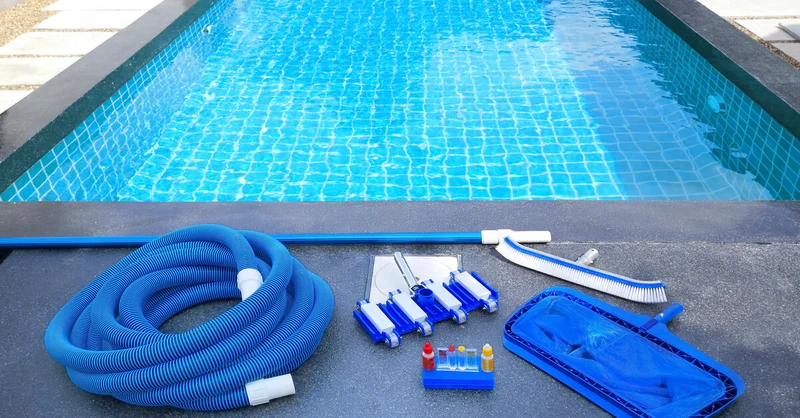

A swimming pool requires consistent care to remain clean, safe, and functional throughout the year. While water chemistry and regular cleaning are essential, maintaining the equipment that supports these tasks is equally important. Pumps, filters, heaters, and cleaning tools all need proper attention to operate efficiently and deliver reliable performance over time.
Investing in suitable swimming pool equipment and supplies is only the first step toward effective pool maintenance. Homeowners must also follow appropriate cleaning schedules, inspect components regularly, and address minor problems before they develop into costly repairs. With a practical maintenance routine, pool owners can extend equipment lifespan, improve energy efficiency, and reduce unexpected downtime.
1. Keep the Pool Pump Clean and Well Maintained
The pool pump plays a central role in circulating water through the filtration system. When it operates correctly, water moves efficiently through the filter, helping remove debris and distribute treated water throughout the pool.
To maintain pump performance, inspect the pump basket regularly and remove leaves, hair, and other debris. Before opening the basket housing, switch off the pump and follow the manufacturer’s instructions to release any trapped pressure safely.
Check the pump for unusual noises, excessive vibration, visible leaks, or signs of overheating. These symptoms may indicate a blockage, worn component, or mechanical issue that requires further investigation.
Proper pump operation also depends on appropriate sizing and settings. Avoid running the system longer than necessary, but make sure circulation meets the pool’s sanitation requirements and the manufacturer’s recommendations.
2. Clean and Inspect the Pool Filter
A pool filter captures particles that would otherwise remain suspended in the water. Over time, accumulated debris restricts water flow and can reduce filtration efficiency, making regular maintenance essential.
The correct cleaning procedure depends on the type of filter installed.
Cartridge Filters
Cartridge filters use pleated material to trap dirt and small particles. Inspect the cartridge periodically and rinse it with a garden hose when cleaning is needed.
Replace cartridges when they become damaged, excessively worn, or difficult to clean effectively. Follow the manufacturer’s recommendations rather than relying on a fixed replacement schedule alone.
Sand Filters
Sand filters collect debris as water passes through the filter media. Backwashing reverses the water flow to remove accumulated contaminants when the pressure reading indicates that cleaning is necessary.
Follow the manufacturer’s instructions for backwashing and rinsing. Excessive backwashing can waste water and may interfere with efficient operation.
Diatomaceous Earth Filters
Diatomaceous earth filters use a fine powder coating on internal filter elements to capture particles. They require careful handling, appropriate replenishment of filter media, and maintenance according to the manufacturer’s guidelines.
Because maintenance procedures vary, consult the equipment manual before opening or servicing any filter system.
3. Monitor Water Chemistry to Protect Equipment
Balanced pool water supports swimmer comfort and helps protect the pool’s mechanical components and surfaces. Water that is too acidic, too alkaline, or improperly balanced in other respects can contribute to corrosion, scaling, and premature equipment wear.
Use a reliable water testing kit to monitor pH, sanitizer concentration, total alkalinity, and other relevant parameters. Test more frequently during periods of heavy pool use, hot weather, or significant rainfall.
Maintain chemical levels within the ranges recommended for your pool system and sanitizer. Avoid adding chemicals without testing the water first, and never mix different pool chemicals directly.
Pay attention to signs of mineral buildup around fittings, cloudy water, or recurring chemical imbalances. These issues may indicate that adjustments to the treatment routine are necessary.
4. Inspect Hoses, Valves, and Connections
Pool plumbing and connecting components help move water between the pool, pump, filter, heater, and other equipment. Small leaks or loose fittings can waste water, reduce circulation, and increase operating costs.
Inspect accessible hoses, valves, unions, seals, and connections for cracks, corrosion, moisture, or deterioration. Check that valves move as intended and that visible connections remain secure.
Replace worn O-rings and seals with compatible parts when necessary. Avoid overtightening fittings, as excessive force can damage threads or create new leaks.
If you notice persistent pressure changes, unexplained water loss, or leaks that are difficult to locate, consider contacting a qualified pool technician. Prompt diagnosis can help prevent additional damage.
5. Maintain Pool Cleaning Tools and Accessories
Skimmers, brushes, vacuum heads, telescopic poles, and cleaning hoses make routine maintenance easier. However, these tools can deteriorate if they are left dirty, stored improperly, or exposed to unnecessary wear.
After cleaning the pool, rinse tools with fresh water when appropriate and allow them to dry before storage. Remove debris from skimmer nets and inspect brushes for loose or damaged bristles.
Check vacuum hoses for cracks, leaks, and obstructions. Damaged hoses can reduce suction and make cleaning less effective.
Store accessories in a dry, organized location away from excessive sunlight and harsh weather. Keeping tools in good condition reduces replacement costs and helps ensure they are ready when needed.
6. Check Pool Heaters and Temperature Controls
Pool heaters can improve comfort and extend the swimming season, but they need routine inspection to operate safely and efficiently. Maintenance requirements depend on whether the system uses electricity, gas, or a heat pump.
Keep the area around the heater clear of leaves, dust, and other obstructions. For heat pumps, inspect accessible air intakes and outlets to ensure adequate airflow, following the manufacturer’s cleaning instructions.
Monitor temperature settings and compare actual water temperature with the displayed reading. Sudden changes in performance, unusual noises, error messages, or repeated shutdowns may signal a problem.
Gas connections, electrical components, refrigerant systems, and internal heater repairs should be handled by appropriately qualified professionals. Never bypass safety controls to keep a malfunctioning heater running.
7. Protect Equipment During Seasonal Changes
Weather conditions can affect pool equipment, particularly in regions that experience freezing temperatures, prolonged heat, or heavy storms. Preparing the system for seasonal changes helps reduce the risk of damage.
Before periods of freezing weather, follow the manufacturer’s winterization procedures. Depending on the installation, this may involve lowering water levels where appropriate, protecting plumbing, draining designated components, and using suitable equipment covers.
Do not assume that simply covering the pump and filter provides adequate freeze protection. Water trapped in plumbing or equipment can expand and cause serious damage.
In hot climates, inspect equipment for adequate ventilation and protect exposed accessories from unnecessary sun damage. After severe weather, check for debris, flooding, loose connections, and other visible problems before restarting the system.
8. Follow a Regular Equipment Maintenance Schedule
A written maintenance schedule makes it easier to keep essential components in good condition. It also helps homeowners identify recurring problems and determine when professional servicing may be needed.
Daily or Frequent Checks
- Observe the water for unusual cloudiness or discoloration.
- Confirm that the pump and circulation system appear to be operating normally.
- Remove visible debris from the pool surface.
- Check for obvious leaks or unusual equipment sounds.
Weekly Maintenance
- Test and balance pool water chemistry.
- Empty skimmer and pump baskets.
- Inspect filter pressure and clean the filter when indicated.
- Brush pool walls, steps, and other surfaces.
- Examine cleaning accessories for visible wear.
Monthly or Periodic Inspections
- Check accessible plumbing connections, valves, and seals.
- Review pump and heater performance.
- Inspect electrical equipment visually for signs of damage without opening enclosures.
- Check the condition of the pool cover and equipment storage area.
- Review maintenance records and identify components that may need replacement.
The exact schedule depends on equipment type, pool usage, environmental conditions, and manufacturer instructions. Always prioritize the maintenance intervals specified for your particular system.
9. Recognize Early Signs of Equipment Problems
Small performance changes can provide useful warnings before equipment fails completely. Recognizing these signs early allows homeowners to investigate problems and arrange repairs when needed.
Watch for common warning signs such as:
- Reduced water circulation: May indicate a clogged filter, blocked intake, or pump issue.
- Unusual noises or vibration: Can point to worn bearings, loose components, or trapped debris.
- Repeated pressure changes: May indicate filter buildup, restricted flow, or another circulation problem.
- Unexpected increases in energy use: Could suggest inefficient operation or a developing mechanical fault.
- Persistent leaks: May result from damaged seals, loose fittings, or plumbing problems.
- Recurring cloudy water: Can indicate inadequate filtration, insufficient sanitation, or imbalanced chemistry.
These symptoms do not always identify a single cause. Check the equipment manual and arrange professional diagnosis when the problem persists or involves pressurized, electrical, gas, or internal mechanical components.
10. Use Replacement Parts That Match Your Equipment
Replacing worn components at the appropriate time helps maintain system performance. However, selecting incompatible parts can create leaks, restrict water flow, or compromise the safe operation of pool equipment.
Check the manufacturer’s name, model number, part number, and specifications before ordering replacements. This is particularly important for filter cartridges, pump seals, pressure gauges, valves, and heater components.
Avoid choosing parts based on appearance alone. Two components may look similar but differ in dimensions, materials, pressure ratings, or compatibility.
Keep records of equipment purchases, installation dates, repairs, and replacement parts. These details make future maintenance easier and help you plan for components that are approaching the end of their expected service life.
11. Improve Energy Efficiency Through Proper Maintenance
Well-maintained pool equipment can help reduce unnecessary energy consumption and operating expenses. Pumps, heaters, and filtration systems often account for a substantial portion of a pool’s ongoing running costs.
Consider these practical measures:
- Use an appropriately sized pump and manufacturer-approved operating settings.
- Consider a variable-speed pump where compatible and cost-effective.
- Clean filters when needed to maintain suitable water flow.
- Inspect plumbing for leaks and circulation restrictions.
- Maintain the heater according to its recommended service schedule.
- Use a suitable pool cover to reduce evaporation and heat loss.
Avoid reducing circulation or sanitation below the level needed to maintain safe water quality. Energy savings should always be balanced with the pool’s cleaning, filtration, and treatment requirements.
Conclusion
Long-term swimming pool equipment performance depends on regular inspections, appropriate cleaning, balanced water chemistry, and timely repairs. Maintaining the pump, filter, plumbing, heater, and cleaning accessories helps reduce unnecessary wear and keeps the entire pool system working more reliably.
By following a consistent maintenance schedule, using compatible replacement parts, and responding quickly to early warning signs, homeowners can manage operating costs and reduce the likelihood of unexpected breakdowns. A proactive approach to equipment care also makes pool ownership more convenient and helps maintain a clean, comfortable swimming environment for years to come.