
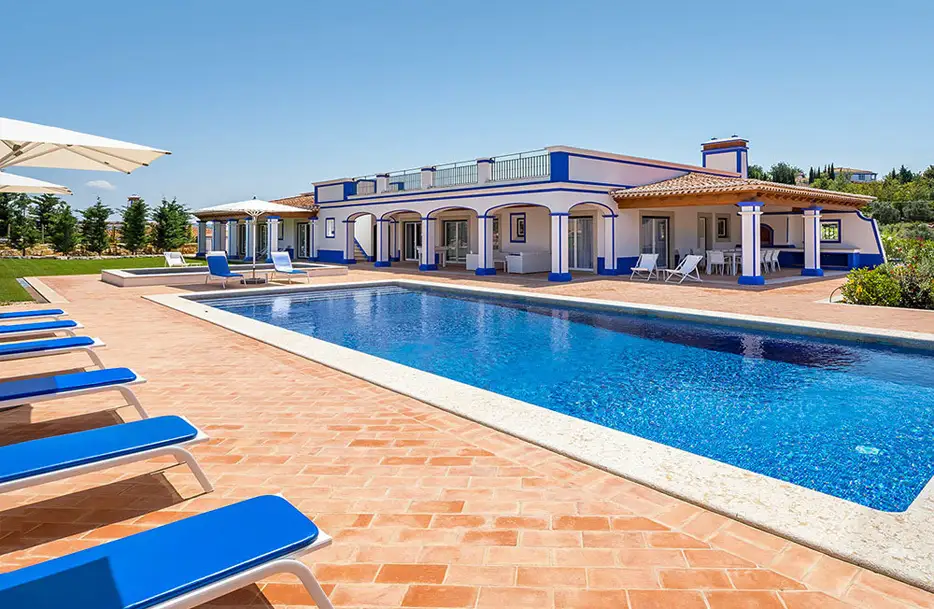

A swimming pool can remain an enjoyable feature of a home for many years, but regular use, weather exposure, and aging equipment can gradually affect its appearance and performance. Cracked surfaces, outdated finishes, inefficient pumps, and persistent water-quality problems are common reasons homeowners consider renovating an existing pool.
Exploring suitable Swimming Pool Solutions can help homeowners determine which improvements are necessary and which upgrades offer the greatest practical value. A well-planned renovation can improve safety, update the pool’s appearance, simplify maintenance, and make better use of the available outdoor space without requiring a completely new installation.
Signs Your Swimming Pool May Need Renovation
Not every aging pool requires a complete overhaul. However, recognizing early signs of deterioration can help homeowners address problems before they become more expensive or disruptive.
Common indicators include:
- Cracked, loose, or deteriorating pool surfaces.
- Damaged tiles, worn grout, or peeling interior finishes.
- Persistent leaks or unexplained water loss.
- Pumps, filters, or heaters that operate inefficiently.
- Outdated lighting or damaged electrical components.
- Poor circulation or recurring water-quality problems.
- Pool steps, coping, or surrounding decking that have become unsafe.
Some symptoms may have several possible causes. For example, water loss can result from evaporation, plumbing leaks, structural damage, or issues with the pool’s fittings. A professional inspection can help identify the underlying problem before renovation work begins.
Assessing the Condition of Your Existing Pool
The first step in any renovation project is understanding the pool’s current condition. A thorough assessment should examine the structure, interior finish, plumbing, circulation equipment, electrical systems, and surrounding surfaces.
Homeowners should also consider the pool’s age, previous repair history, and frequency of use. These details can help determine whether targeted repairs are sufficient or whether several components need to be upgraded together.
Structural cracks and persistent leaks deserve particular attention because cosmetic repairs alone may not resolve the underlying cause. Addressing the source of the damage can help prevent recurring problems after the renovation is complete.
Popular Swimming Pool Renovation Options
Renovation projects can range from simple cosmetic updates to substantial structural improvements. The appropriate scope depends on the pool’s condition, the homeowner’s budget, and the intended use of the space.
Resurfacing and Refinishing
Pool interiors experience continuous exposure to water, chemicals, and changing environmental conditions. Over time, finishes may become rough, stained, faded, or damaged.
Resurfacing can restore the interior and improve its appearance. Available options vary by pool construction and may include plaster-based finishes, aggregate surfaces, or specialized pool tiles.
Before selecting a finish, homeowners should compare durability, texture, maintenance requirements, installation costs, and compatibility with the existing structure. Surface preparation is equally important because applying a new finish over an unsuitable substrate can lead to premature deterioration.
Replacing Tiles and Coping
Damaged tiles and worn coping can make an otherwise functional pool look outdated. Replacing these elements can refresh the pool’s appearance while addressing localized damage.
Coping also helps define the pool’s edge and connects the water with the surrounding deck. Materials should be selected for durability, slip resistance, weather performance, and comfort underfoot.
If tiles repeatedly loosen or cracks develop around the pool perimeter, the cause should be investigated before replacement work begins. Movement, moisture intrusion, and installation defects may require corrective repairs.
Upgrading Pumps and Filtration Equipment
Older circulation equipment may consume more electricity or provide less effective performance than suitable modern alternatives. Renovation offers an opportunity to review whether the existing pump, filter, and associated plumbing meet the pool’s current requirements.
Variable-speed pumps, appropriately sized filters, and improved controls may help reduce energy consumption and simplify operation. However, the benefits depend on the equipment selected, operating schedule, pool configuration, and local energy costs.
Equipment should be chosen according to the pool’s volume and filtration needs rather than simply replacing an older unit with the same specifications.
Improving Lighting and Water Features
Lighting upgrades can make a pool more attractive and improve visibility during evening use. Modern LED fixtures may offer lower energy consumption than some older lighting systems.
Water features, updated steps, and built-in seating can also change the way the pool is used. These additions should be evaluated carefully because they may increase installation complexity, maintenance requirements, and operating expenses.
Electrical work around swimming pools should always be completed by appropriately qualified professionals using equipment and installation methods that meet applicable safety standards.
Improving Pool Safety During Renovation
Renovation is an ideal opportunity to review existing safety measures. Older pools may lack features that homeowners now consider essential, while worn surfaces and deteriorating access points can introduce avoidable hazards.
Important improvements may include secure fencing, self-closing gates, slip-resistant decking, suitable drain covers, visible depth markings, and safer steps or handrails. Pool covers may provide additional protection when they are designed and used for the intended purpose.
Homeowners should check applicable local building and safety regulations before making changes. Where children or people with limited mobility use the pool, accessibility and supervision requirements should be considered from the planning stage.
A renovated pool should not only look better but also support safer access, movement, and everyday use.
Making Your Pool More Energy Efficient
A renovation can reduce operating costs by addressing inefficient equipment and unnecessary heat or water loss. The most effective improvements depend on the local climate, the pool’s usage patterns, and the condition of the existing systems.
Potential upgrades include:
- Installing an appropriately sized variable-speed circulation pump.
- Using a suitable pool cover to reduce evaporation and heat loss.
- Improving heating controls and selecting efficient heating equipment.
- Repairing leaks and replacing damaged plumbing components.
- Updating filtration systems according to the pool’s requirements.
- Introducing automated schedules for compatible equipment.
Energy savings should be assessed realistically. The cost of new equipment, installation, maintenance, and expected operating savings all influence whether an upgrade is financially worthwhile.
Water chemistry must also remain within recommended ranges, and efficiency improvements should never compromise sanitation or safe pool operation.
Redesigning the Surrounding Outdoor Space
Pool renovation does not have to be limited to the water itself. Updating the surrounding landscape can improve how the pool fits into the property and make the entire outdoor area more functional.
New paving, refreshed planting, shaded seating, and improved pathways can create a more cohesive design. Homeowners with limited space may benefit from reorganizing furniture and circulation routes to preserve room for movement and maintenance access.
Material choices should reflect the local climate and the amount of exposure to sunlight, moisture, and pool chemicals. Plants that shed excessive leaves may increase cleaning demands, while poor drainage can contribute to water accumulation around the pool.
A coordinated design approach helps ensure that the renovated pool and its surroundings work together visually and practically.
Understanding Renovation Costs and Budget Planning
The cost of swimming pool renovation depends on the project’s scope, the pool’s existing condition, material choices, labor rates, and local construction requirements. Replacing a few tiles is generally a different undertaking from resurfacing the entire pool or repairing structural damage.
Before approving a project, homeowners should request an itemized estimate that identifies materials, labor, equipment, preparation work, and potential additional expenses. It is also sensible to reserve part of the budget for unexpected issues discovered during construction.
Prioritizing work can help control spending. Structural repairs, leaks, electrical hazards, and other safety-related problems should generally take precedence over decorative upgrades.
Comparing several detailed proposals may provide a clearer understanding of the available options, but the lowest initial quote is not always the most economical choice over the long term.
Choosing a Qualified Pool Renovation Contractor
The quality of renovation work depends heavily on the experience and reliability of the people carrying it out. Homeowners should look for contractors familiar with the pool’s construction type and the specific repairs or upgrades required.
Before hiring a provider, consider the following:
- Relevant experience: Ask about similar renovation projects and the materials or systems involved.
- Written estimates: Confirm the work included, expected costs, and any exclusions.
- Licensing and insurance: Verify applicable qualifications and coverage for the proposed work.
- Project timeline: Discuss preparation, construction stages, inspections, and expected completion.
- Warranty details: Understand which materials and workmanship are covered.
- Maintenance guidance: Request instructions for caring for new finishes and equipment.
Clear communication throughout the project helps reduce misunderstandings and makes it easier to manage changes if unexpected problems arise.
Maintaining Your Pool After Renovation
Once renovation is complete, regular maintenance helps protect the new finishes and equipment. Homeowners should follow the manufacturer’s instructions for curing periods, initial water treatment, and the safe return to normal pool use.
Water chemistry should be monitored consistently, and cleaning methods should suit the selected surface materials. Equipment inspections, filter maintenance, and timely attention to leaks can help preserve performance.
It is also important to keep records of renovation work, product specifications, warranties, and recommended service intervals. These documents can be useful for future repairs and ongoing maintenance decisions.
Conclusion
Swimming pool renovation gives homeowners an opportunity to address deterioration, improve safety, update outdated features, and make their pools more efficient. The most effective projects begin with a careful assessment of the existing structure and prioritize repairs before cosmetic improvements.
By choosing appropriate materials, upgrading equipment where necessary, planning a realistic budget, and working with qualified professionals, homeowners can improve both the appearance and long-term functionality of their pools. Consistent maintenance after renovation helps protect that investment and keeps the swimming environment enjoyable for years to come.